
Flowers
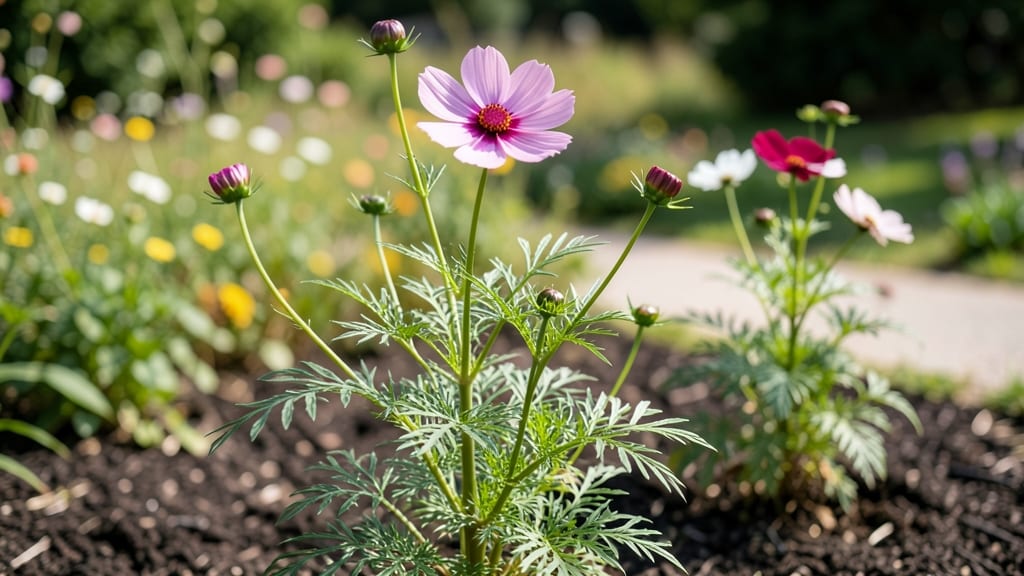
Cosmos flowers grow anywhere from 1 foot to over 6 feet tall, depending on the variety and growing conditions—far more than most gardeners expect.
Picture this: delicate dwarf cosmos spilling over container edges at 12 inches, while their towering cousins reach head-high in your backyard. That’s the beauty of cosmos—they adapt to your space, whether you’re working with a tiny balcony or a sprawling garden plot.
But here’s the catch: height isn’t just about variety. Soil nutrients, sunlight exposure, and even pruning habits can push a 3-foot cosmos to 5 feet or keep a 6-foot giant from toppling over.
Below, I’ll break down the exact heights of popular types, plus pro tips to control their growth so your cosmos thrive exactly where you plant them.
Ready to turn your garden into a cosmos height masterpiece? Let’s dive into the varieties, spacing secrets, and game-changing care tricks that’ll have your cosmos reaching their full potential—without taking over your yard.

Cosmos flower height variations by variety: from dwarf to giant
When planning your garden, knowing cosmos flower height variations helps you choose the perfect varieties for your space. Cosmos range from compact dwarf types that fit in containers to towering giants that reach fence heights.
Understanding these differences ensures you create a balanced, visually stunning garden layout that maximizes both beauty and functionality. The right height selection can also prevent overcrowding and improve airflow, reducing disease risk in your blooms.
Cosmos flowers typically fall into three main height categories: dwarf (12-18 inches), medium (24-36 inches), and giant (48+ inches). Each category offers unique benefits for different garden zones.
For example, tall cosmos varieties make excellent backdrops for borders, while dwarf cosmos thrive in hanging baskets or window boxes. The key to successful planting lies in matching each variety's mature height to its intended location in your garden design.
Summary of Cosmos Heights by Variety
One of the most popular dwarf cosmos varieties is 'Sensation Mix,' which typically reaches 12-18 inches at maturity. This makes it ideal for container gardening or as a border edging in mixed flower beds. Its compact growth habit also makes it perfect for urban gardens where space is limited.
For a slightly taller but still manageable option, 'Bright Lights' grows to 18-24 inches and produces striking bicolor blooms that add visual interest to any garden.
The medium-height cosmos category includes varieties like 'Seashells,' which stands 24-36 inches tall. This height makes it versatile for backdrop planting or as a mid-height border. Its sturdy stems require minimal support, making it a low-maintenance choice for busy gardeners.
Medium cosmos also work beautifully in cut flower arrangements, providing height and structure without overwhelming smaller blooms.
For those seeking dramatic height, giant cosmos varieties like 'Purity' can reach 48-60 inches or more. These towering plants create stunning focal points in the garden and are perfect for privacy screens or backyard borders.
When planting tall cosmos, consider their mature height early in the design process to ensure they don't outgrow their intended space. Staking may be necessary for varieties exceeding 36 inches to prevent flopping in windy conditions.
When selecting cosmos varieties, consider not only their mature height but also their growth habits. Some varieties, like 'Sonata Double,' have upright stems that benefit from occasional staking, while others like 'Sensation Mix' grow in bushy mounds that spread outward.
This diversity allows you to create layered garden designs that maximize both visual appeal and functional space utilization.
Proper spacing is crucial when planting cosmos to prevent overcrowding. For dwarf varieties, space plants 8-12 inches apart, while medium cosmos should have 12-18 inches between each plant. Tall cosmos varieties need 18-24 inches of space to allow for their mature size and prevent competition for nutrients.
Adequate spacing also improves airflow, reducing the risk of fungal diseases that can affect cosmos blooms.
Another factor influencing cosmos height is their growing conditions. While cosmos are generally low-maintenance, providing well-draining soil and full sunlight (6+ hours daily) promotes optimal growth. Over-fertilizing with nitrogen can result in excessive foliage growth at the expense of flower production, potentially making plants appear taller but less floriferous.
For the best results, use a balanced fertilizer with equal parts nitrogen, phosphorus, and potassium.
If you're growing cosmos for cut flowers, taller varieties like 'Purity' or 'Sonata Double' will provide longer stems for arrangements. To encourage continuous blooming, practice regular deadheading by removing spent flowers.
This not only maintains the plant's appearance but also redirects energy to produce more blooms, potentially increasing the plant's overall height and vigor over the growing season.
For gardeners with
How cosmos flower height affects garden design and plant pairings
Cosmos flowers aren’t just pretty—they’re architectural stars in your garden, and their height variations can completely redefine your layout. A 6-foot cosmos planted behind your patio creates instant drama, while 12-inch dwarf cosmos spill beautifully over container edges.
The key is understanding how to use their height ranges strategically to maximize visual impact and functionality.
Let’s say you’re designing a sunflower-themed border. Pairing 4-foot cosmos with 5-foot sunflowers creates a layered, textured look that draws the eye upward. Or imagine lavender hedges flanking a pathway—tucking 2-foot cosmos in front adds a soft, billowy contrast that frames the purple spikes perfectly.
The secret? Matching cosmos heights to their neighbors’ proportions for a cohesive, balanced design.
🌿 Cosmos Height Zones & Design Roles
- Dwarf Cosmos (12–18") → Perfect for containers, window boxes, and front-of-border planting
- Medium Cosmos (24–36") → Ideal for mid-border layers, mixed beds, and cutting gardens
- Tall Cosmos (48–60") → Best as backdrops, privacy screens, or focal points near patios
- Pro Tip: Space dwarf cosmos 6–8" apart, medium 12–18", and tall 24–36" to prevent overcrowding
When planning your cosmos placements, think about vertical layers. For example, a 6-foot cosmos behind a 3-foot lavender bush creates a stunning height progression that adds depth to your garden. This technique works especially well in small spaces, where every inch counts.
Even in a container garden, mixing dwarf cosmos with trailing plants like sweet potato vine adds dimension without overwhelming the space.
Don’t overlook companion planting either! Cosmos pair beautifully with sunflowers (their bright blooms complement each other), marigolds (natural pest deterrents), and salvia (contrasting textures). For a pollinator-friendly garden, place cosmos near bee balm or coneflowers—the bees will thank you!
Just avoid planting them too close to tomatoes or peppers, as cosmos can attract pests that might bother these veggies.
Spacing is another game-changer. Overcrowded cosmos compete for nutrients and sunlight, leading to leggy, weak stems. Give each plant room to breathe—especially the tall varieties. A 4-foot cosmos needs at least 18 inches of space between neighbors, while 6-foot giants should have 3 feet of clearance.
This ensures airflow, reduces disease risk, and lets each plant shine without leaning or flopping.
Finally, consider your garden’s focal points. A tall cosmos near a seating area adds height and draws the eye, while a cluster of dwarf cosmos in a pot creates a cheerful, low-maintenance centerpiece.
Whether you’re aiming for a wildflower meadow or a structured perennial border, cosmos heights give you the flexibility to design a space that’s as functional as it is beautiful.