
Size
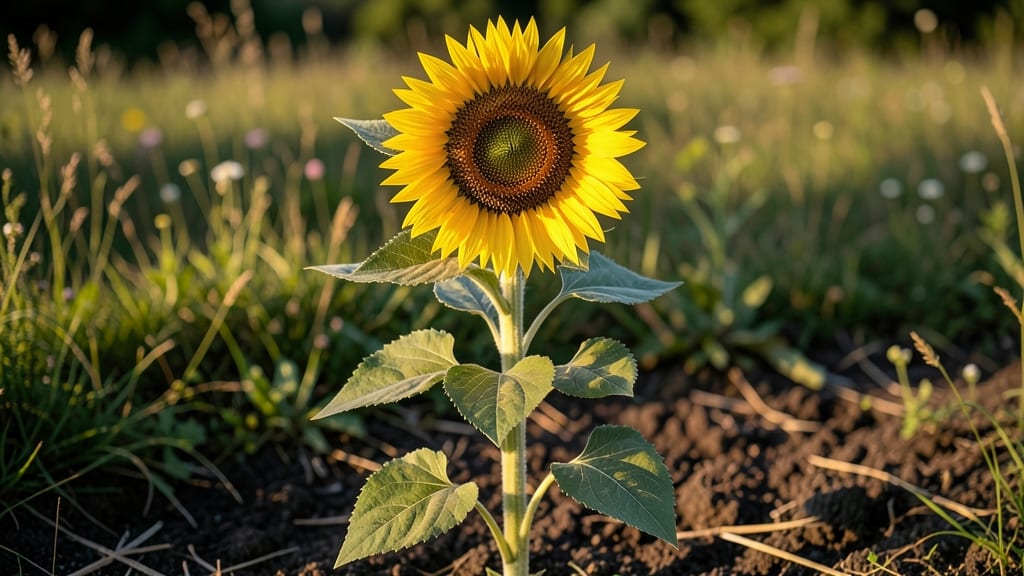
Sunflower plants grow anywhere from 1 foot to towering 16 feet tall, depending on the variety you choose — and that range can make or break your garden layout.
Imagine a 12-foot giant swaying over your patio or a dainty 2-foot dwarf brightening a container on your balcony. The difference isn’t just height; it’s how you’ll space them, support them, and even whether they’ll need staking at all.
Below, I’ll break down the height ranges of dwarf, standard, and giant sunflowers, plus the key factors like sunlight, soil, and variety that determine how tall your 🌻 will grow.
You’ll also learn how to plan your garden for maximum impact—whether you’re aiming for a dramatic focal point or a space-saving border.

Sunflower height by variety: from dwarf to giant species
Sunflowers come in a stunning range of heights, from compact dwarfs perfect for containers to towering giants that can reach the second story of your home. Understanding these differences is key to planning your garden layout, choosing the right varieties for your space, and ensuring each plant thrives.
Whether you're growing sunflowers for cut flowers, birdseed, or simply as a striking focal point, knowing how tall sunflower plants get will help you make the best choices for your outdoor space.
I've grown everything from 1-foot-tall dwarfs to 15-foot giants, and the variation is incredible. The height of a sunflower is primarily determined by its variety, but factors like sunlight, soil quality, and spacing also play a role.
Let’s break down the most popular categories so you can pick the perfect sunflowers for your garden—whether you have a small balcony or a sprawling backyard.
🌻 Variety matters most! Some sunflowers stay under 3 feet, making them ideal for pots or small gardens, while others can grow taller than a basketball hoop. The table below shows the typical height ranges for each category, along with their best uses and care tips.
If you're growing dwarf varieties like 'Teddy Bear' or 'Moulin Rouge,' you’ll love how they stay under 3 feet, making them perfect for patio pots or window boxes. These sunflowers are also great for attracting bees and butterflies without taking up much space.
For semi-dwarf varieties like 'Autumn Beauty' or 'ProCut,' expect heights of 3–6 feet, which work beautifully in garden borders or as cut flowers.
For those who dream of sunflowers that rival a two-story house, giant varieties like 'Mammoth' or 'Russian Giant' are the way to go. These can reach 12–16 feet tall, making them a stunning centerpiece for large gardens or even as a living windbreak.
However, they’ll need plenty of space and support to avoid flopping in windy conditions. I once grew a 'Russian Giant' that towered over my garage—it was an unforgettable sight!
One of the most common questions I hear is, "How do I know if my sunflower will stay short or grow tall?" The answer lies in the variety you choose and the growing conditions you provide.
While genetics set the baseline height, factors like sunlight, soil nutrients, and water can influence how close your sunflower stays to its expected range. For example, a 'Teddy Bear' sunflower might grow slightly taller if given extra fertilizer, but it’ll still stay well under 3 feet.
If you're planting sunflowers in containers or small spaces, stick to dwarf or semi-dwarf varieties. A 5-gallon pot can comfortably hold a 'Teddy Bear' sunflower, while a 15-gallon container will accommodate a semi-dwarf like 'Autumn Beauty.'
For in-ground planting, always follow the spacing guidelines to give each plant room to grow. Crowding can lead to weaker stems and smaller flowers, so don’t skimp on space—especially for taller varieties.
For cut flower gardens, semi-dwarf and standard varieties are my top picks. They strike the perfect balance between height and manageability, making them easy to harvest without needing a ladder.
If you're growing sunflowers for birdseed, taller varieties like 'Mammoth' are ideal because they produce larger seed heads that birds adore. Just be sure to leave some seed heads on the stems for wildlife to enjoy!
One tip I always share with new gardeners is to stake your taller sunflowers if you live in a windy area. A simple bamboo stake or a sturdy cage can prevent your sunflowers from toppling over, especially once they reach 6 feet or taller.
I’ve seen many a sunflower lean dramatically in strong winds—adding support early on can save you from heartbreak later in the season.
Finally, remember that sunflowers are annuals, so their height is determined in one growing season. If you’re planning a sunflower garden, start with a mix of heights to create visual interest.
Place taller varieties at the back or center of your garden and shorter ones in the front or along borders. With the right variety and care, your sunflowers will bring joy, color, and even food for wildlife to your outdoor space. 🌻
How sunflower height affects your garden layout and care
Sunflowers aren’t just beautiful—they’re space-claiming powerhouses that transform your garden into a vertical masterpiece. But their height isn’t just about aesthetics; it directly impacts spacing needs, wind resistance, and even pollinator access.
A 6-foot dwarf fits snugly in containers, while a 14-foot giant needs elbow room and sturdy support to avoid flopping in storms.
Taller sunflowers also influence companion planting strategies. Short varieties like 'Teddy Bear' (2-3 ft) thrive alongside shallow-rooted herbs, while towering 'Russian Giant' (12-16 ft) creates a natural windbreak for delicate vegetable crops like lettuce. Understanding these dynamics lets you design a functional and visually stunning garden layout.
- 1 Dwarf varieties (1-3 ft) need 12-inch spacing and thrive in containers or small gardens.
- 2 Semi-dwarf types (3-6 ft) require 18-inch spacing and benefit from light staking in windy areas.
- 3 Standard varieties (6-10 ft) need 24-inch spacing and stronger support to prevent lodging.
- 4 Giant sunflowers (10-16 ft) demand 36-inch spacing and heavy-duty stakes or trellises.
- 5 Taller varieties improve pollination by attracting bees from a distance but may block sunlight for shorter plants below.
Taller sunflowers also act as natural windbreaks, shielding wind-sensitive crops like corn or beans from damage. Plant them on the north or west side of your garden to create a protective barrier while maximizing their sunlight exposure.
Just be mindful of their root competition—giant varieties can outcompete nearby plants for nutrients.
For pollination success, taller sunflowers have an advantage. Bees can access flowers higher off the ground, increasing cross-pollination and seed production. However, if you’re growing multiple varieties, place shorter types near pathways or seating areas for easier enjoyment while letting the giants reach for the sky.
When planning companion plants, consider height dynamics. Pair dwarf sunflowers with shallow-rooted herbs like basil or thyme, while using tall varieties as a backdrop for climbing plants like morning glories. This vertical layering creates a lush, multi-tiered garden that maximizes space and visual interest.
Remember, sunlight needs remain consistent across all varieties—6+ hours daily is non-negotiable. But taller sunflowers may require additional watering during dry spells to support their increased foliage mass.
A deep watering schedule (1-2 gallons per plant, 2-3 times per week) keeps even the giants thriving without overcrowding your watering routine.