Flowers
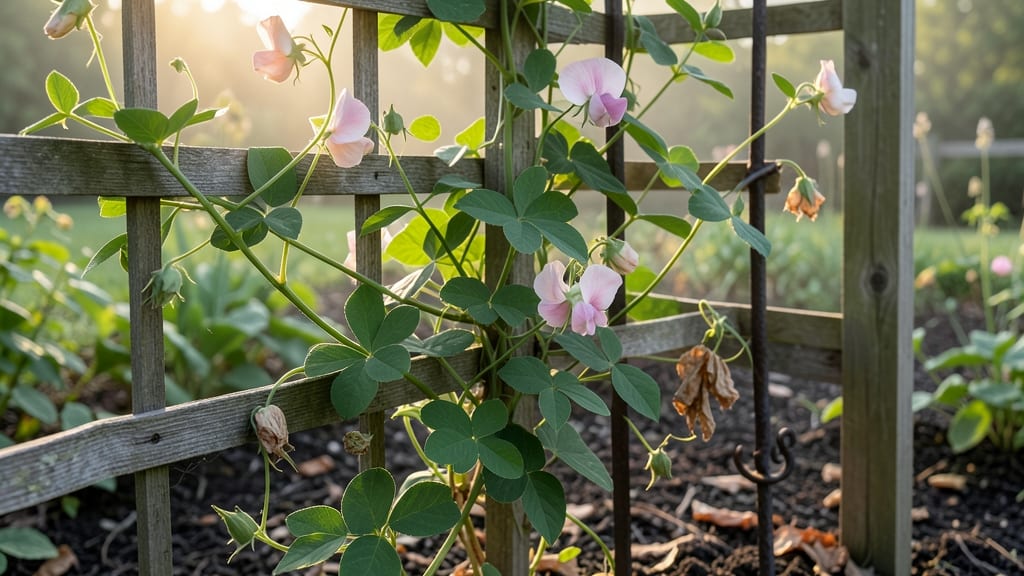
Sweet pea flowers grow how tall do sweet pea flowers grow anywhere from 2 feet to towering 10 feet, depending on whether you’re planting climbing or bush varieties.
Picture this: delicate 🌸 blooms cascading over a trellis like a living waterfall, or compact clusters brightening a small garden bed. The difference isn’t just about space—it’s about how you train, support, and prune them.
Climbing types, like the classic ‘Cupani’ or ‘Perfume Delight,’ reach their full height with the right trellis, while dwarf varieties stay manageable for containers or window boxes.
The key to maximizing their growth lies in understanding their needs—whether it’s sturdy stakes, regular pruning, or just the perfect spot in full sun.
In this guide, I’ll break down the height ranges, share tips for encouraging vertical growth, and help you choose the perfect variety for your garden—no matter how much (or little) space you have.

Sweet pea flower height guide: climbing varieties vs compact bush types
Sweet peas are one of the most charming flowers in any garden, offering fragrant blooms in shades of purple, pink, and white. But their height can vary dramatically—some varieties climb 10 feet high, while others stay compact at just 1-2 feet.
Knowing these differences helps you plan your garden layout and choose the perfect varieties for your space.
Climbing sweet peas are the tallest varieties, reaching heights of 6-10 feet with proper support. These are ideal for trellises, fences, or pergolas, where they can create stunning vertical displays.
On the other hand, bush varieties stay shorter, typically between 1-3 feet, making them perfect for containers, borders, or small gardens.
| Type | Height Range | Popular Varieties | Best For |
|---|---|---|---|
| Climbing | 6-10 ft | 'Cupani', 'Blue Moon', 'Perfume Delight' | Trellises, fences, pergolas |
| Semi-Climbing | 4-6 ft | 'Matucana', 'Dwarf Blue', 'Spencer' | Containers, small trellises |
| Bush | 1-3 ft | 'Little Lily', 'Tom Thumb', 'Harlequin' | Borders, containers, small gardens |
If you're working with limited space, bush varieties are your best bet. They thrive in containers or along garden edges, requiring minimal support. Varieties like 'Tom Thumb' or 'Little Lily' stay under 2 feet, making them perfect for window boxes or patio gardens.
For larger gardens, climbing sweet peas like 'Cupani' or 'Blue Moon' will reach 8-10 feet when given a sturdy trellis. These varieties produce longer stems and more blooms, ideal for creating a romantic, fragrant curtain along a fence or arbor.
Height isn’t the only factor—growth habits also play a role. Climbing varieties need regular pruning to encourage upward growth, while bush types benefit from light pinching to promote bushiness. Both thrive in full sun and well-draining soil, but their support needs differ significantly.
When selecting sweet peas, consider your garden’s layout. A 6-foot trellis can support 'Perfume Delight', while a 1-foot container is perfect for 'Tom Thumb'. Mixing heights creates visual interest, but ensure each variety has the support it needs to reach its full potential.
For container gardening, choose semi-climbing or bush varieties. These stay manageable in pots while still offering fragrant blooms. Add a small trellis or let them spill over the edges for a charming, cascading effect. Just ensure your container has drainage holes to prevent root rot.
One common mistake is assuming all sweet peas need the same support. Bush varieties can flop without light staking, while climbing types will struggle without a trellis. Investing in a DIY trellis or purchasing a sturdy frame ensures your sweet peas grow strong and tall.
Whether you love the romance of tall climbers or the convenience of compact bush types, sweet peas add beauty and fragrance to any garden. Choose based on your space, support options, and personal style—your garden will thank you with months of vibrant blooms! 🌸
How to choose sweet pea varieties based on garden space and support needs
Sweet peas offer diverse height options that can transform your garden from a flat landscape to a lush vertical display. The key to selecting the right variety lies in understanding your space constraints and support structures.
Whether you have a tiny balcony or a sprawling backyard, there's a sweet pea perfect for your needs.
For small gardens or containers, dwarf varieties like 'Tom Thumb' or 'Cupani' reach only 1-2 feet tall, making them ideal for window boxes or hanging baskets. These compact beauties produce fragrant blooms without requiring trellises, saving you both space and effort.
- Tiny Spaces (Balconies, Window Boxes): 1-2 ft - 'Tom Thumb', 'Cupani' (no trellis needed)
- Containers/Pots: 2-3 ft - 'Dwarf Blue' or 'Midget' (use small trellis)
- Small Gardens: 3-5 ft - 'Painted Lady', 'Black Prince' (light trellis)
- Standard Gardens: 5-7 ft - 'Perfume', 'Cupid' (medium trellis)
- Large Gardens/Pergolas: 7-10 ft - 'Blue Moon', 'Spencer' (strong support)
If you're working with containers or raised beds, mid-height varieties like 'Painted Lady' (3-5 feet) or 'Black Prince' (4-6 feet) strike the perfect balance. These varieties need lightweight trellises or obelisks to support their vines while fitting neatly in most garden layouts.
For maximizing vertical space, tall climbing varieties like 'Blue Moon' or 'Spencer' reach 7-10 feet and thrive on fences, pergolas, or sturdy trellises. These varieties create dramatic cascading displays that draw the eye upward, perfect for adding height to boring walls or arbors.
Consider your support infrastructure when choosing varieties. Tall climbers need strong, wide trellises (at least 6 feet wide) to prevent sagging, while dwarf varieties can thrive in small cages or even without support. Always match the variety to your available space and structural support.
Pro tip: Mix heights in your garden design! Plant tall varieties along fences, mid-height types in containers, and dwarf varieties near seating areas for easy access to their fragrance. This layered approach creates visual interest while maximizing your garden's potential.