
Flowers
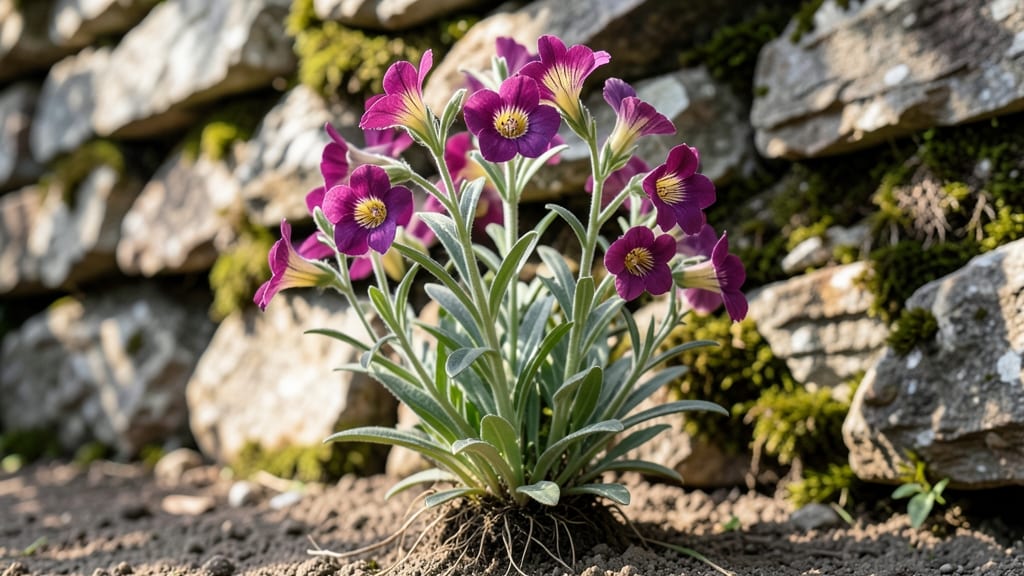
Wallflowers grow anywhere from 6 inches to over 3 feet tall, depending on the variety you choose—making them the perfect fit for everything from window boxes to cottage garden borders.
Picture this: a dwarf wallflower 🌼 spilling over a pot’s edge, its tiny blooms just begging to be touched, while a towering variety reaches for the sky in a sunny border. That’s the magic of wallflowers—they adapt to your space, not the other way around.
If you’ve ever wondered whether a wallflower will peek over a fence or stay neatly contained in a container, the answer lies in the variety. Some stay compact, while others stretch tall—so knowing their growth habits upfront saves you from awkward pruning later.
Here’s what you need to know about wallflower heights: how to pick the right size for your garden, why some varieties grow taller than expected, and how to keep them at your desired height—whether that’s a 6-inch cascade or a 3-foot statement.

Wallflower height by variety: from dwarf to giant bloomers
Wallflowers (Erysimum spp.) come in a stunning array of heights, making them incredibly versatile for garden design. Whether you're dreaming of a rock garden with tiny blooms or a backyard border with towering stems, choosing the right variety is key.
The height differences aren't just about aesthetics—they also determine planting depth, sunlight exposure, and even pollinator attraction. Let's explore how tall wallflowers grow by variety so you can select the perfect fit for your space.
Most wallflower varieties fall into three distinct height categories: dwarf (6-12 inches), medium (12-24 inches), and tall (24-36+ inches). Dwarf varieties thrive in containers or rock gardens, while taller types make dramatic statements in borders or slopes.
Understanding these ranges helps prevent overcrowding and ensures your garden maintains its intended visual balance. For example, planting 24-inch varieties too close together can lead to competition for nutrients and light.
Dwarf wallflowers like 'Bowles Old Pink' are perfect for adding color to tight spaces. Their 6-12 inch height makes them ideal for rock gardens or window boxes where taller plants can't fit.
These varieties often bloom earlier in the season, providing early spring color when few other plants are in flower. Their compact size also means they require less pruning and can be easily maintained in containers.
Medium-height varieties such as 'Moonlight' and 'Alba' strike a balance between visibility and space efficiency. Their 12-24 inch stature works beautifully in the front of borders or as pollinator magnets in mixed plantings.
These types often produce more blooms per stem, making them excellent choices for cut flower gardens or dried arrangements. Just be sure to space them about 12-18 inches apart to prevent overcrowding.
Tall varieties like 'Fire King' and 'Giant Buttercup' bring drama to garden designs. Their 24-36 inch height makes them perfect for back-of-border planting or as trellis climbers when supported. These giants require more staking and pruning to maintain their shape, but their bold presence is unmatched.
For slopes or hillsides, tall wallflowers can help prevent erosion while adding vibrant color to otherwise bare areas.
When selecting wallflower heights, consider your garden's light conditions. Taller varieties generally need full sun (6+ hours) to reach their maximum height, while dwarf types can tolerate partial shade in hotter climates.
Always check the specific variety's care requirements—some tall wallflowers, like 'Giant Buttercup', can grow even taller in rich, well-draining soil with consistent moisture.
Pro tip: If you're unsure about height, start with a mix of varieties in containers. This lets you experiment with different heights and arrangements before committing to permanent garden beds. For example, place dwarf wallflowers in the front pot and tall varieties in the back to create a layered effect.
This approach also makes it easy to rotate plants if one variety doesn't thrive in your space.
Remember that wallflower heights can vary slightly based on growing conditions. Plants grown in poor soil may stay shorter, while those in ideal conditions might exceed their typical range. Always provide well-draining soil and avoid over-fertilizing, as this can lead to leggy growth and reduced flowering.
With the right care, your wallflowers will reach their full potential height while rewarding you with months of fragrant blooms.
🌼 Whether you're creating a whimsical cottage garden or a modern pollinator haven, wallflowers offer the perfect height for every vision. Now that you know how tall they grow, you can confidently plan your plantings with precision and creativity!
How to choose wallflower height for your garden design
Choosing the right wallflower height transforms your garden from flat to dynamic. Dwarf varieties (6-12 inches) create perfect edging for pathways, while tall varieties (24+ inches) add drama as backdrop plants. The key is matching height to your design goals—whether it's a pollinator-friendly meadow or a contained container garden.
For rock gardens, opt for semi-dwarf wallflowers (12-18 inches) to cascade over stones naturally. In border plantings, stagger heights by placing tall varieties at the back and dwarf types in front. This creates visual layers that draw the eye deeper into your garden space.
Wallflower Height Guide: Pros & Cons
Dwarf (6-12")
- Pros: Perfect for edging, rock gardens, containers
- Pros: Low maintenance, spreads easily
- Cons: Limited height for vertical impact
Medium (12-24")
- Pros: Versatile for borders, slopes, pollinator gardens
- Pros: Balanced height for layered designs
- Cons: May need staking in windy areas
Tall (24"+)
- Pros: Dramatic backdrop for cottage gardens
- Pros: Attracts pollinators from a distance
- Cons: Requires space, may flop without support
When planting wallflowers in containers, choose dwarf or semi-dwarf varieties to prevent overcrowding. A 12-inch pot works well for single dwarf plants, while 18-inch containers can hold 3-5 medium-height wallflowers.
For pollinator-friendly designs, mix tall wallflowers with lavender or catmint to create a vertical nectar highway for bees and butterflies.
Spacing is critical—plant dwarf wallflowers 6-8 inches apart, while tall varieties need 12-18 inches between plants. This prevents overcrowding and ensures air circulation, reducing disease risk. In rock gardens, tuck wallflowers into crevices where their trailing stems can soften hard lines.
For slope stabilization, use medium-height wallflowers in clusters along contour lines. Their deep root systems help prevent erosion while adding colorful cascades. Pair them with creeping thyme or sedum for a low-maintenance, drought-tolerant slope garden.
Remember, pruning affects height—pinch back young plants to encourage bushiness, or let them grow tall for cut flowers. With the right height selection, wallflowers become the backbone of your garden's vertical story. 🌼