
Flowers
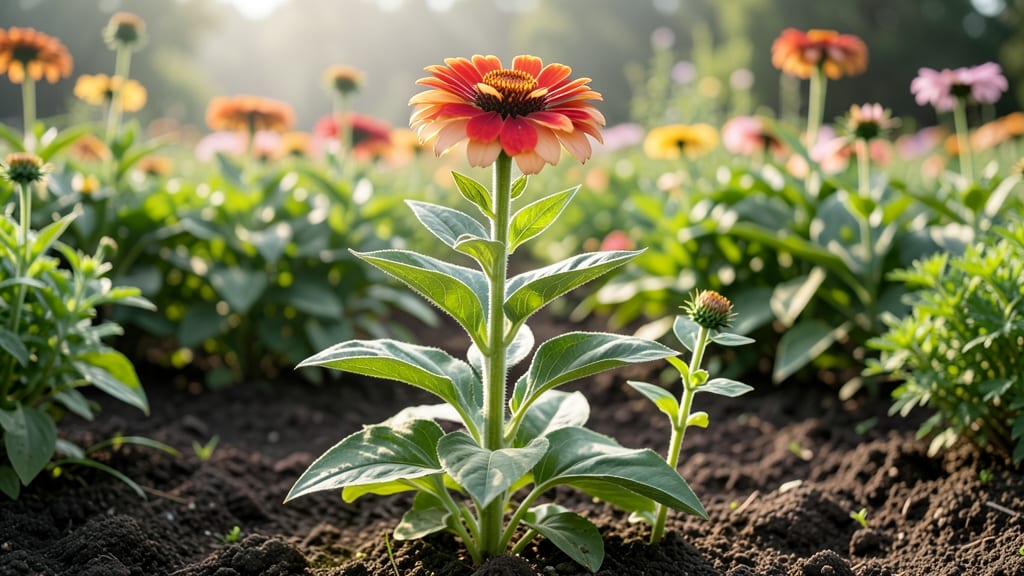
How tall do zinnia flowers grow? They range anywhere from 6 inches to a towering 4 feet, depending on the variety you choose—making them the perfect fit for everything from window boxes to backyard borders.
Wondering whether your garden has room for zinnias? These vibrant blooms come in surprising heights—from dwarf varieties that fit in window boxes to towering giants that reach 6 feet, each variety offers unique charm and garden potential.
Whether you're working with limited space or dreaming of a bold, colorful backdrop, zinnias adapt beautifully to your needs. The key lies in selecting the right type for your layout and giving them the care they thrive on—sunlight, well-draining soil, and occasional deadheading.
In this guide, I’ll break down the height ranges of popular zinnia varieties, share tips for managing their growth naturally, and help you pick the perfect plants for your garden’s style and size.

Zinnia height variations: compact to towering size guide
Zinnias are one of the most versatile flowers for gardeners, offering height variations that can transform any space. Whether you have a small balcony or a large backyard, there's a zinnia variety to fit your needs.
From dwarf zinnias perfect for containers to giant zinnias reaching six feet, understanding these differences helps you plan your garden layout effectively.
Most gardeners assume zinnias are all medium-sized, but the truth is far more exciting. The height range spans from just 6 inches to over 6 feet, making them adaptable for borders, cut flower gardens, or even as stunning focal points.
Let's explore how these height variations can work in your garden design and which varieties thrive in different spaces.
🌱 Visual Height Comparison: Imagine a 6-inch dwarf zinnia sitting comfortably in a window box, while a 6-foot giant zinnia towers above your head like a living sunburst. This dramatic range is why zinnias are so popular among both beginner and experienced gardeners.
| Variety Type | Height Range | Best For | Planting Tips |
|---|---|---|---|
| Dwarf Zinnias | 6-12 inches | Containers, window boxes, borders | Full sun, well-draining soil, deadhead regularly |
| Semi-Dwarf Zinnias | 1-2 feet | Front of beds, mixed containers, cut flowers | Stake if needed, pinch back for bushiness |
| Standard Zinnias | 2-4 feet | Back of borders, cut flower gardens, pollinator gardens | Provide support for taller varieties, water consistently |
| Giant Zinnias | 4-6 feet | Focal points, tall flower arrangements, back of large gardens | Strong staking required, rich soil for support |
For gardeners with limited space, dwarf zinnias like 'Thumbelina' or 'Crystal' are perfect choices. These varieties stay compact while still delivering vibrant blooms that attract pollinators. Their 6-12 inch height makes them ideal for window boxes or as edging plants along garden paths.
The semi-dwarf varieties, typically reaching 1-2 feet, strike a balance between manageability and impact. Varieties like 'Profusion' or 'Benary's Giant' are excellent for mixed containers or the front of garden beds. These zinnias offer the best of both worlds—easy maintenance with bold color.
When planning your garden, consider the standard zinnias (2-4 feet) for the middle to back of borders. These varieties, such as 'State Fair' or 'Zahara,' provide long-lasting blooms perfect for cut flower arrangements. Their height makes them ideal for creating vertical interest without overwhelming smaller plants.
For those with spacious gardens or who want to make a dramatic statement, giant zinnias are the way to go. Varieties like 'Benary's Giant' or 'Super Double Click' can reach 4-6 feet tall.
These towering beauties need strong support but create stunning focal points that draw the eye and attract bees and butterflies.
When selecting zinnias based on height, always consider your garden's sunlight conditions and soil quality. All varieties thrive in full sun (6+ hours daily), but taller varieties benefit from rich, well-draining soil to support their height. Adding a balanced fertilizer at planting and mid-season helps promote strong stems.
Pro tip: If you're growing taller zinnias, pinch back the tips of young plants to encourage bushier growth. This technique works wonders for standard and giant varieties, helping them develop stronger stems and more abundant blooms.
Just be sure to do this before the plants reach 6-8 inches tall.
Remember that zinnias are annuals, so their height is determined by the variety you choose. Unlike perennials that may change size over years, zinnias will grow to their mature height within the same growing season. This predictability makes them perfect for garden planning and creating stunning visual effects.
Whether you're designing a small urban garden or a large countryside plot, zinnias offer the perfect blend of color, height variation, and low-maintenance care. With so many options, you can easily find varieties that fit your space and style—just pick the height that inspires you most!
Best zinnia types for small gardens vs. large spaces
When choosing zinnias for your space, height becomes the defining factor between creating a compact container garden or a dramatic backyard statement. For small gardens like balconies or window boxes, dwarf varieties like 'Thumbelina' (6-12 inches) or 'Crystal' series (12-18 inches) thrive without needing support.
These low-maintenance beauties spill over edges perfectly, adding color to tight spaces with minimal effort.
On the other hand, large garden plots can accommodate towering varieties like 'Benary's Giant' (3-4 feet) or 'State Fair' (2-3 feet), which create natural focal points.
These taller zinnias need staking or cages to prevent flopping, especially in windy areas, but reward you with bold, long-lasting blooms that draw attention from across the yard.
Small Gardens (Balconies/Window Boxes)
- Perfect for 6-inch pots or window boxes
- No staking required
- Continuous blooming season (June-October)
- Drought-tolerant once established
- Limited height variety (mostly under 18 inches)
- May need frequent deadheading in small spaces
- Less impact in windy areas
Large Gardens (Backyard Borders/Focal Points)
- Creates dramatic vertical interest (3-6 feet)
- Excellent for cut flower arrangements
- Attracts pollinators like bees
- Longer stem lengths for bouquets
- Requires staking/cages for support
- Needs more space between plants
- Heavier water needs in hot climates
- May flop in wind without support
For balcony gardens, I recommend mixing 'Crystal Pink' zinnias (12-18 inches) with trailing nasturtiums—the zinnias add height while the nasturtiums spill over edges.
In large garden beds, plant 'Benary's Giant' zinnias (3-4 feet) at the back with shorter salvias or marigolds in front to create depth and texture.
If you're working with limited space but want height, try 'Profusion' series zinnias (12-18 inches), which are self-branching and produce hundreds of blooms per plant.
These are perfect for hanging baskets or raised beds where you can tuck them among other small perennials like coleus or sweet potatoes.
For large spaces, consider creating a zinnia height gradient—plant dwarf varieties (6-12 inches) in the front, medium types (18-24 inches) in the middle, and tall varieties (3-4 feet) at the back**.
This layered approach maximizes visual impact while keeping maintenance manageable. Just remember to water deeply and mulch heavily to support their rapid growth.
No matter your space, zinnias adapt beautifully—whether you're growing them in window boxes, containers, or sprawling flower beds. The key is selecting varieties that match your layout and giving them the sunlight and care they crave.
With the right choices, you'll have a vibrant, low-maintenance garden that blooms from summer through fall. 🌼