
Flowers
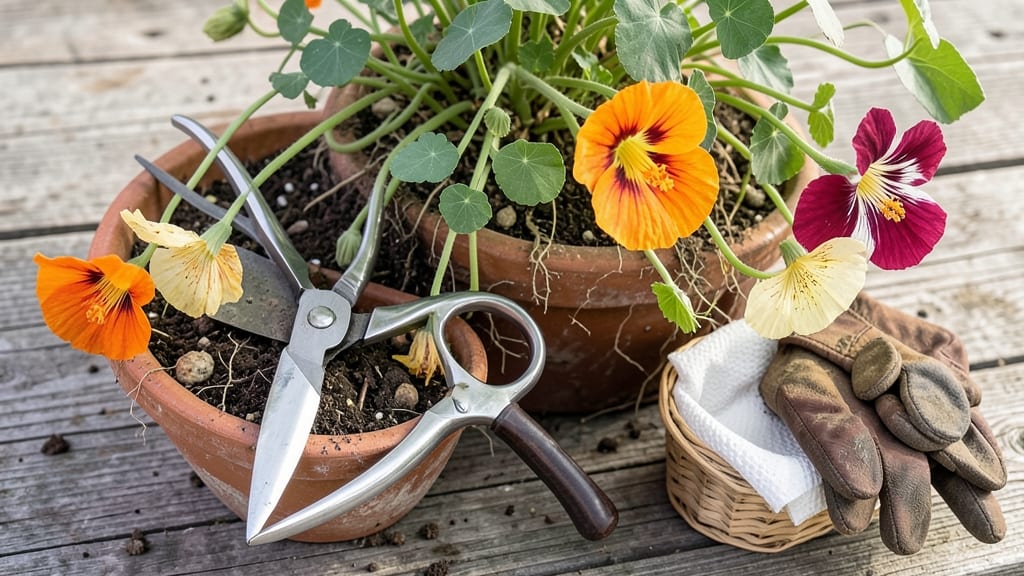
To harvest nasturtium flowers at their peak flavor and beauty, pick them in the morning when they’re fully open 🌸—this ensures the best taste and encourages more blooms.
Nasturtium flowers aren’t just stunning—they’re edible, peppery, and perfect for garnishes, salads, or even homemade vinegars. But timing matters: harvest too late, and you’ll miss the crispest petals and brightest color.
With the right tools and techniques, you’ll preserve freshness longer and keep your plants thriving. Whether you’re a beginner or a seasoned gardener, this guide covers everything from when to cut to how to store them.
You’ll also discover how harvesting properly boosts regrowth, so you can enjoy a steady supply of these vibrant, edible blooms all season long.
Best time and method to harvest nasturtium flowers for maximum flavor
Harvesting nasturtium flowers at the right moment makes all the difference in flavor and plant health. These vibrant blooms pack a peppery kick when picked fresh, but timing matters—wait too long, and they lose their crispness or become bitter.
The key is to harvest when flowers are fully open but still at their peak, typically in the morning hours when temperatures are cooler.
Morning harvests are ideal because dew-free petals are easier to handle, and the flowers retain their brightest color and maximum flavor intensity. If you must harvest later in the day, avoid the hottest afternoon hours (after 2 PM), as this can cause wilting or stress the plant.
For culinary use, morning-picked flowers also hold up better in recipes, while ornamental use benefits from their freshest, most vibrant appearance.
- 🌞 Harvest in the morning (6-9 AM) when flowers are fully open and dew-free.
- ✂️ Use clean pruners or scissors to cut stems at a 45-degree angle, 1-2 inches below the flower.
- 🌿 Pick flowers just before use for culinary purposes to preserve their peppery flavor.
- 🌸 Leave some blooms on the plant for ornamental use or to encourage new flower production.
- 🚫 Avoid harvesting buds—they won’t open fully and may compromise plant energy.
- 💧 Water plants well the day before harvesting to plump up petals and enhance flavor.
For culinary use, prioritize harvesting flowers when they’re fully unfurled but still crisp to the touch. The peppery flavor peaks at this stage, making them perfect for garnishes, salads, or infused oils.
If you’re harvesting for ornamental purposes, you can pick slightly earlier—when buds are just about to open—to extend the vase life of your arrangements. Just remember: never harvest more than 1/3 of the blooms from a single plant at once to avoid stressing it.
Watch for signs of overharvesting, such as yellowing leaves, stunted growth, or fewer new buds. These indicate the plant is struggling to recover, especially if you’re harvesting heavily or frequently.
If you notice these symptoms, scale back harvesting and focus on watering and fertilizing to help the plant rebound. A healthy nasturtium will reward you with continuous blooms all season long.
Another pro tip: Harvest flowers in stages throughout the day if you’re using them for culinary purposes. This ensures you’re always working with the freshest petals, which retain their bright color and boldest flavor.
For example, pick a few flowers in the morning for immediate use, then harvest more in the late afternoon for later recipes. This method also helps prevent wilting and keeps your kitchen garden productive.
If you’re new to harvesting edible flowers, start with just a few blooms to test their flavor. Some varieties, like Tropaeolum majus, have a milder peppery taste, while others can be quite spicy.
Once you’re comfortable, you can experiment with flower-infused vinegars or herbal teas. Just remember: always harvest organically grown nasturtiums if you plan to eat them, as conventional pesticides can be harmful.
Seasonal timing also plays a role. In early summer, nasturtiums bloom prolifically, giving you plenty of opportunities to harvest. By late summer or early fall, growth may slow, but you can still find scattered blooms worth picking.
If frost threatens, harvest any remaining flowers before the first frost to enjoy them indoors or preserve them for later use.
To maximize your harvest, consider pruning the plant lightly after each picking session. This encourages new growth and more flowers by redirecting the plant’s energy. Simply trim back any long, leggy stems to promote bushier growth.
Pair this with regular deadheading (removing spent blooms) to keep the plant focused on producing fresh flowers rather than seeds.
Finally, store harvested nasturtium flowers properly to preserve their freshness. Place them in a paper towel-lined container and refrigerate for up to 3-5 days. For longer storage, you can freeze petals in ice cube trays with water or oil for later use in cooking.
With the right timing and care, your nasturtium harvest will be both abundant and delicious all season long! 🌸
Essential tools and techniques for clean, damage-free flower harvesting
Harvesting nasturtium flowers the right way keeps your plants healthy and your blooms vibrant. Start with the right tools—clean, sharp pruning shears or small scissors prevent crushing stems, while gardening gloves protect your hands from thorns on some varieties.
Always cut stems at a 45-degree angle just above a leaf node. This encourages new growth and prevents water from pooling, which can rot the stem. For culinary use, harvest flowers in the morning when their flavor is most intense and petals are crisp.
- 🌸 Morning Harvest: Pick fully open flowers between 7-9 AM for peak flavor and freshness.
- ✂️ Clean Cuts: Use sterilized scissors to cut stems 1-2 inches below the flower.
- 🌿 Petal Separation: For garnishes, gently twist petals off stems—avoid tearing to preserve delicate edges.
- 💧 Hydration Tip: Store harvested flowers in ice water for up to 5 days to maintain freshness.
- 🌱 Regrowth Boost: Leave 2-3 leaves on the stem to fuel new blooms after harvesting.
To preserve nasturtium flowers for longer, separate petals from stems if using them immediately in recipes. For whole flowers, store them in a paper towel-lined container in the fridge. This mimics their natural environment and keeps them crisp for up to 3 days.
For culinary applications, whole flowers work best in salads or as garnishes, while separated petals add color to soups or infuse oils. Always rinse petals gently in cool water before use to remove dirt or pesticides.
Never harvest more than 1/3 of the blooms from a single plant at once. Overharvesting stresses nasturtiums, reducing future flowers. Prioritize healthy stems and avoid cutting into woody growth, which won’t regenerate.
With these techniques, you’ll enjoy a steady supply of edible, vibrant nasturtiums all season while keeping your plants thriving. Happy harvesting! 🌿