How To
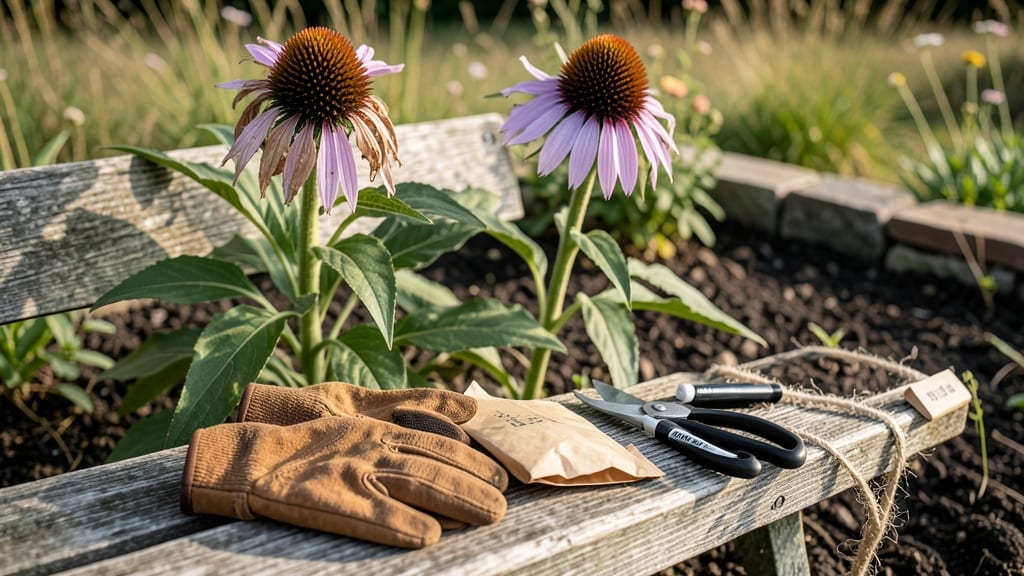
To harvest purple coneflower seeds, wait until late summer when the central cone turns brown and the petals wither—this is when they’re ready to collect for next year’s garden.
Picture this: you’ve spent all summer admiring your 🌸 Purple Coneflower blooms, and now the moment arrives to preserve their legacy. Skipping this step means missing out on free, hardy plants that’ll return year after year with minimal effort.
But timing is everything—harvest too early, and the seeds won’t be viable; too late, and they’ll scatter on their own.
Once the seed heads turn a dry, papery brown and rattle when shaken, they’re prime for picking. This usually happens in August or September, depending on your USDA Zone 6a climate.
Grab a pair of pruners or clean scissors and snip the entire head just above the base, leaving the stem intact for easy drying.
In the steps ahead, I’ll walk you through drying, storing, and even planting these seeds—so you can turn this year’s blooms into next year’s self-sustaining garden with almost no extra work.
When to harvest purple coneflower seeds: the perfect timing for maximum viability
Timing is everything when harvesting purple coneflower seeds (Echinacea purpurea). Harvest too early, and the seeds won’t germinate properly. Wait too long, and they’ll scatter or attract pests.
The ideal harvest window is late summer to early fall, typically August through September, when seed heads reach full maturity. This precise timing ensures you capture seeds with the highest viability and germination rates for next year’s garden.
Look for three key maturity signs before harvesting: a uniformly brown central cone, wilted or fallen petals, and seed heads that feel dry and brittle. Shake a mature seed head—if it rattles, the seeds are ready.
These visual cues help you avoid harvesting too soon, which can lead to poor seed development or moldy heads due to excess moisture.
Environmental factors like drought, pests, and weather can also impact seed quality. A dry spell before harvest improves seed drying, while excessive rain can cause seed heads to rot. Keep an eye out for bird activity—they love coneflower seeds, so harvest promptly once maturity is confirmed. If birds are a problem, consider covering seed heads with fine mesh bags before they fully mature.
Here’s a quick visual guide to help you identify the perfect harvest stage:
| Maturity Stage | Visual Cues | Harvest Readiness | Action |
|---|---|---|---|
| Early Green Cone | Cone is green, petals upright | Not ready | Wait 4-6 weeks |
| Mid-Stage Brown | Cone partially brown, petals wilting | Nearly ready | Monitor daily |
| Mature Dry Cone | Cone fully brown, petals fallen, rattles when shaken | Ready to harvest | Collect seeds immediately |
| Overripe Scattered | Cone crumbly, seeds scattered on ground | Too late | No viable seeds left |
Harvesting at the right maturity stage also prevents self-seeding, which can lead to unwanted coneflowers popping up everywhere. If you’re aiming to control seed spread, harvest seed heads just as they turn brown but before petals fall completely.
This gives you time to process and store seeds while minimizing natural dispersal.
Pay attention to your local climate. In cooler regions, harvest may extend into early October, while warmer climates might require harvesting by late August.
Always check the weather forecast—a dry spell before harvest is ideal, as it reduces the risk of mold or fungal growth during the drying process. If rain is forecasted, prioritize harvesting to avoid damp seed heads.
One common mistake is harvesting seeds too early because the flower looks "done." Resist the urge! Premature seeds won’t germinate well and may not produce healthy plants. Instead, wait until the central cone is completely brown and the seed head feels crispy to the touch.
This ensures you’re collecting seeds with the best chance of sprouting next spring.
If you’re harvesting for commercial use or large-scale planting, consider harvesting a portion of seed heads early (when partially mature) and leaving others to fully ripen. This staggered approach gives you a longer harvest window and reduces the risk of losing all seeds to birds or weather.
Just be sure to label each batch by maturity stage for consistent results.
Once you’ve identified mature seed heads, act quickly. The drying process begins immediately after harvest, and seeds can lose viability if left too long in humid conditions. In the next section, I’ll walk you through the exact steps to harvest, dry, and store purple coneflower seeds for maximum germination potential.
Don’t miss these critical details!
Step-by-step guide to harvesting and processing purple coneflower seeds
Harvesting purple coneflower seeds is simpler than you might think, but precision matters. Once you’ve identified the mature seed heads (those with brown, papery cones and fallen petals), the next steps determine whether your seeds stay viable or spoil.
A little patience and the right tools make all the difference—think of it as preserving nature’s way of propagating your favorite blooms.
Before you begin, gather your supplies: a pair of clean pruners, a paper bag or envelope for drying, and a dry, well-ventilated space. Avoid plastic bags, as they trap moisture and invite mold.
The goal is to mimic the natural drying process while preventing pests or rot from setting in. Let’s dive into the exact steps to ensure your seeds are ready for next year’s garden.
One of the biggest mistakes I see is skipping the drying phase entirely. Freshly harvested seeds buried in damp soil will rot, wasting all your effort. Instead, let them dry thoroughly—this ensures high germination rates and healthy seedlings.
If you’re unsure whether your seeds are ready, give them an extra week of drying time.
Once your seeds are clean and stored, you’re ready for the next step: planting. Purple coneflower seeds are hardy and fast-growing, but they need well-draining soil and full sun to thrive.
Direct-sow them in early spring or start indoors 6-8 weeks before your last frost date for a head start. With these seeds, you’re not just growing flowers—you’re cultivating a self-sustaining garden ecosystem that attracts pollinators year after year.
Pro tip: If you’re harvesting seeds from multiple plants, mix them in a single batch for greater genetic diversity in your garden. This helps create stronger, more resilient plants that can withstand pests and diseases naturally. Happy harvesting—and may your garden bloom with purple coneflowers for seasons to come! 🌸