How To
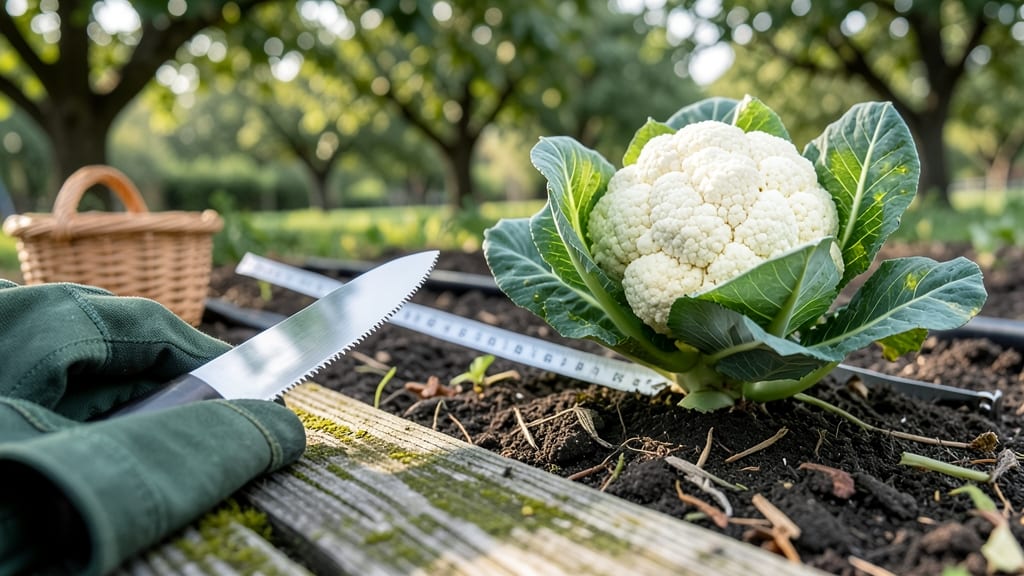
Knowing when to pick cauliflower 🥬 means catching it at the perfect moment—before the curds loosen or yellow, ruining your harvest.
If you’ve ever cut into a head only to find loose florets or a bitter taste, you’re not alone. The key lies in a few simple tests: firmness, size, and color. Miss these cues, and you’ll either waste a small head or watch pests move in as the plant struggles.
Below, I’ll walk you through the tactile test for curd tightness, the color shifts that signal readiness, and how temperature plays a role in timing. By the end, you’ll know exactly when to wield that knife—no guesswork, no regrets.
Ready to master the harvest? Let’s break down the visual and physical signs that mean your cauliflower is finally ready to pick.
How to test cauliflower curds for perfect harvest timing
Harvesting cauliflower at the right moment transforms your garden into a flavor powerhouse. The key? Testing the curd tightness and size—both critical factors that determine whether your head will be tender or tough, flavorful or bitter.
I’ve learned the hard way that waiting too long means watching your perfect curd turn yellow and woody, while picking too early sacrifices size and potential yield.
For standard varieties, aim for a 6-8 inch diameter head with tightly packed florets. Romanesco varieties follow similar rules but often mature slightly later—watch for their signature green fractal patterns to develop fully.
The curd tightness test is your best friend here, and I’ll walk you through it step-by-step to ensure you never miss the window.
- 1
- 2
- 3
- 4
- 5
If you wait too long after these signs appear, your cauliflower’s florets will open, turning bitter and woody. I once left a head on the plant for three extra days just to test—big mistake!
The once-firm curd became yellow and crunchy, and the flavor was off-putting. Trust the test, and harvest within 24 hours of passing all checks.
For Romanesco varieties, pay extra attention to the fractal patterns. These should be fully developed and sharp, not blurry or smudged. The head’s green color should be vibrant, not dull or fading.
Romanesco also tends to mature 10-14 days later than standard varieties, so don’t rush the process.
Pro tip: Use a sharp knife to cut the stem about 1 inch below the curd. This prevents damage to the plant and encourages any side shoots to develop into secondary heads. I’ve harvested three heads per plant this way, doubling my yield without extra effort.
Timing is everything with cauliflower. If you miss the window, your plant may bolt or flower, redirecting energy away from future harvests. Keep an eye on your garden’s temperature too—hotter days above 85°F can accelerate maturity, while cool weather below 50°F slows it down.
Now that you’ve mastered the curd tightness test, your next step is understanding color cues. A creamy white head isn’t always ready—purple and green varieties have their own rules. Stay tuned for my next guide on color-based harvesting to ensure you never miss another perfect cauliflower.
Cauliflower color guide: when white, purple, OR green means it’s ready
Cauliflower color isn’t just about aesthetics—it’s your first clue for harvest timing.
A vibrant hue signals peak flavor and texture, while dull or changing colors mean it’s past its prime. Sunlight exposure plays a huge role here: too little causes pale, leggy heads, while too much can bleach or yellow the curds.
I’ll break down what each color means and when to act.
For white cauliflower, the ideal head is a creamy, uniform white with no green or yellow tinge.
If you see green streaks on the curd, it’s still maturing—wait 2-3 more days. Purple varieties should maintain a deep, even purple hue; any fading to brown or gray means it’s overripe. Orange or green cauliflower varieties follow similar rules but may show darker green before turning yellow.
🚨 Here’s your quick reference guide to cauliflower colors and what they mean:
| Color | Stage | Action | Storage Life |
|---|---|---|---|
| White | Firm, creamy, no green | Harvest now! | 3-5 days (fresh) |
| White with green streaks | Still maturing | Wait 2-3 days | 2-3 days (fresh) |
| Purple (deep) | Firm, no fading | Harvest now! | 4-6 days (fresh) |
| Purple fading to gray | Overripe | Harvest immediately | 1-2 days (fresh) |
| Green (unripe) | Small, loose florets | Wait 5-7 days | N/A (not ready) |
| Yellow/brown | Overmature | Use immediately | 1 day (fresh) |
If your cauliflower head starts yellowing or browning, it’s a sign of overmaturity or stress. Check for pests like cabbage worms or drought conditions, which can speed up spoilage.
In hot climates, shade cloth can help preserve color and firmness. For purple varieties, exposure to cooler temps (50-60°F) enhances color depth.
Pro tip: Harvest in the morning when temps are coolest to preserve color and crispness. Use a sharp knife to cut the stem about 1 inch below the head—this prevents damage to the plant and encourages new side shoots in some varieties.
Store harvested cauliflower in the crisper drawer of your fridge, wrapped in a damp towel to retain moisture.
🌱 Remember, color isn’t the only factor—always pair it with the firmness test (press gently; it should resist slightly). When both color and texture align, you’ve got a perfectly timed harvest!