
Planting
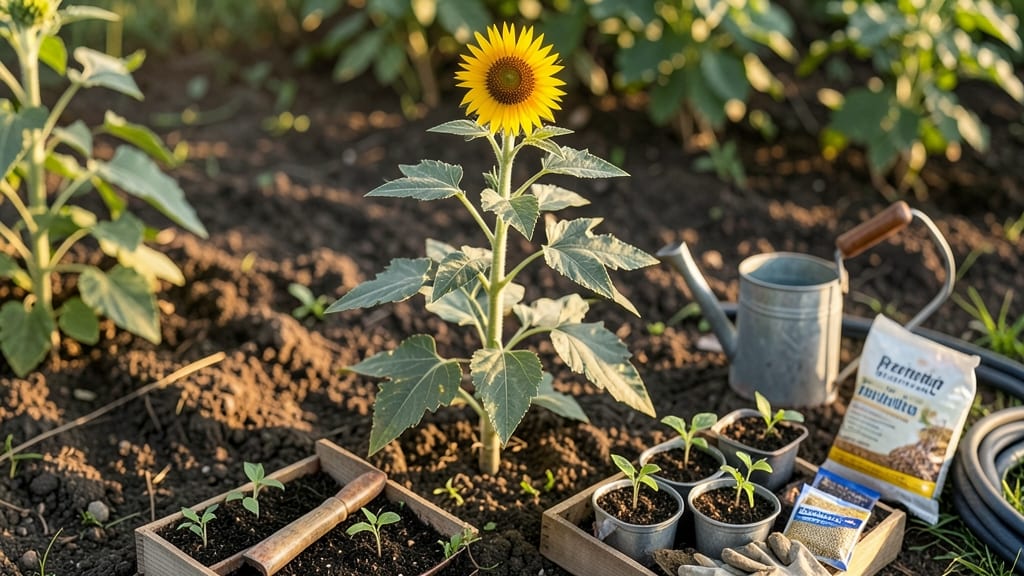
Planting safflower seeds is your ticket to fast-growing, drought-tolerant blooms that attract pollinators and add bold color to your garden.
Picture this: bright orange or golden flowers popping up in just 90 days, thriving in poor soil where other plants struggle. But timing and technique make all the difference—get it wrong, and you’ll end up with leggy stems or slow germination.
Safflowers love full sun and well-drained soil, making them perfect for USDA Zone 6a gardeners planting in March or April. With the right spacing and watering, you’ll unlock vibrant blooms that last from July through September.
Below, I’ll walk you through every step—from soil prep to post-planting care—to ensure your safflowers grow strong, fast, and beautiful.


The perfect conditions for planting safflower seeds (sunlight, soil & timing)
Safflowers thrive when planted under the right conditions, and getting these basics right will give you bold blooms and fast germination. These sun-lovers need full sunlight exposure and well-draining soil to prevent root rot.
Whether you're in USDA Zone 3 or Zone 10, timing your planting with your local climate will make all the difference.
For optimal growth, safflowers prefer sandy loam soil with a pH between 6.0 and 7.5. They’re incredibly drought-tolerant once established, but young seedlings need consistent moisture.
The key is balancing their love for sun with proper soil prep—think of it as giving them a sunbath and spa combo!
| Condition | Ideal Specification | Notes |
|---|---|---|
| Sunlight | 6+ hours direct sun | Full sun = vibrant blooms; partial shade = leggy growth |
| Soil Type | Sandy loam or clay-loam | Avoid heavy clay; amend with compost for drainage |
| pH Level | 6.0–7.5 | Test soil; adjust with lime (raise pH) or sulfur (lower pH) |
| Planting Window | Spring (after last frost) or Fall (6 weeks before frost) | Spring: March–May; Fall: August–September (Zones 3–7) |
| Water Needs | 1–1.5 inches per week | Deep water morning only; reduce once established |
| USDA Zones | 3–10 | Zones 3–5: spring planting only; Zones 8–10: fall/winter possible |
If you're planting in USDA Zones 3–5, focus on spring planting after your last frost date—typically mid-April to May. For Zones 6–10, you can also try fall planting in late summer (August–September) to give seedlings time to establish before winter.
In warmer zones like Zone 10, safflowers can even handle winter planting!
One of the biggest mistakes gardeners make is planting safflowers in shady spots. These plants need full sun to produce their iconic golden-orange blooms. If your garden lacks direct sunlight, consider growing them in containers near a south-facing wall or using reflective surfaces to maximize light exposure.
For soil preparation, work in 2–3 inches of compost before planting to improve drainage and fertility. Safflowers hate soggy roots, so if your soil is heavy clay, mix in sand or perlite to create a looser texture.
A quick soil test will tell you if you need to adjust the pH level—aim for that 6.0–7.5 range for best results.
Timing is everything when it comes to watering safflowers. Young seedlings need consistent moisture to germinate, but once they’re established, they’re surprisingly drought-tolerant. Water deeply in the morning to reduce fungal risks, and then let the soil dry slightly between waterings.
Overwatering is a common pitfall that leads to root rot.
In dry climates like those in USDA Zones 7–10, mulch around your safflowers with straw or wood chips to retain moisture and keep roots cool. This is especially helpful in summer months when temperatures rise.
For cooler zones (Zones 3–6), mulch can also protect seedlings from late spring frosts.
Pro tip: If you’re growing safflowers for cut flowers or seed oil, pay attention to their bloom stage. Harvest flowers when they’re fully open but before the seed heads turn brown. This ensures you get the brightest blooms and the highest oil yield from the seeds.
With the right sunlight, soil, and timing, your safflowers will reward you with stunning blooms and minimal fuss. These hardy plants are perfect for beginner gardeners and experienced growers alike—just give them what they crave, and they’ll thrive! 🌼
Step-by-step planting process for fast germination and strong stems
Once you’ve prepped your well-draining soil and chosen the perfect spring window, it’s time to plant your safflower seeds with precision. The key to fast germination and strong stems lies in proper depth, spacing, and watering techniques—details that often trip up new gardeners.
Safflower seeds need just ½ inch of soil coverage to sprout quickly, but planting too deep can delay germination by weeks. Pair that with 12-18 inches of spacing between plants to prevent overcrowding, which leads to weak stems and fewer blooms. Let’s break it down step by step.
🌱 How to Plant Safflower Seeds for Success
- 1 Prepare the soil: Loosen soil to 6 inches deep and mix in compost for nutrients. Safflowers hate soggy roots, so amend heavy clay with sand if needed.
- 2 Plant seeds: Drop 1-2 seeds per hole at ½ inch depth. Space holes 12-18 inches apart in rows 24 inches apart for airflow.
- 3 Water gently: Mist soil with ½ inch of water (about 1 cup per plant) using a spray nozzle. Avoid heavy watering, which can wash seeds deeper than ideal.
- 4 Thin seedlings: Once sprouts reach 2 inches tall, thin to the strongest seedling per spot. Snip weak stems at soil level with clean scissors.
- 5 Mulch lightly: Apply 1 inch of straw mulch to retain moisture and suppress weeds. Keep mulch 2 inches away from stems to prevent rot.
After planting, consistent morning watering is critical—safflowers despise soggy soil but need steady moisture for the first 30 days. Water at the base of plants (not overhead) to avoid fungal diseases like powdery mildew, a common issue with leggy growth.
Watch for slow germination (takes 7-14 days in ideal conditions). If seeds don’t sprout within 2 weeks, gently loosen soil around the area and rewater. Most problems stem from either too-deep planting or overwatering—both can suffocate seeds.
Once seedlings emerge, fertilize lightly with a 5-10-10 balanced mix when they reach 4-6 inches tall. Over-fertilizing now causes excessive leafy growth at the expense of blooms. Focus on strong stems by ensuring full sun daily.
With these steps, your safflowers will shoot up 2-3 inches per week, reaching their 3-5 foot mature height in just 90 days. The secret? Patience in the early stages pays off with bold, drought-resistant blooms all summer long. 🌼