
Flowers
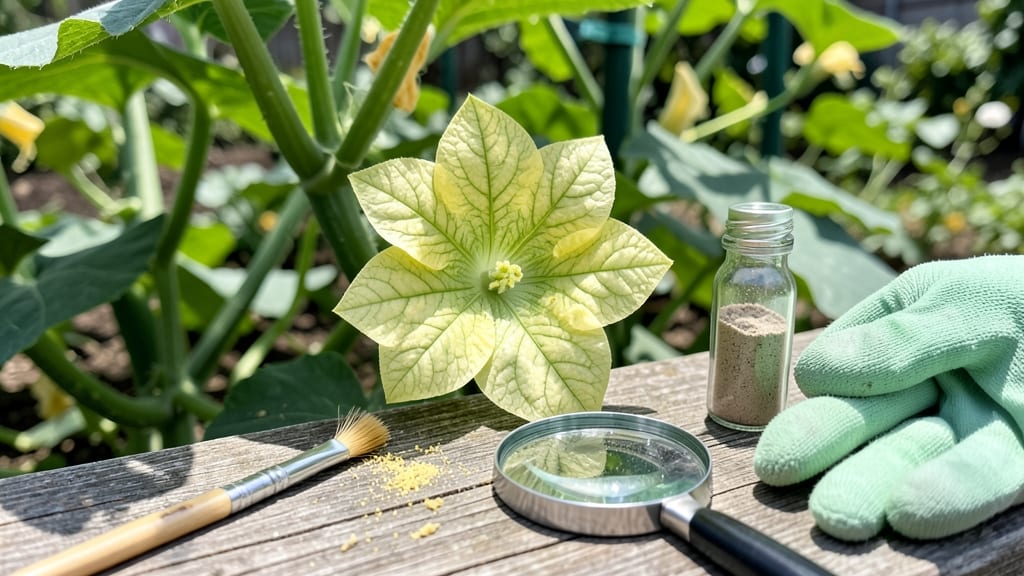
To pollinate cucumbers without male flowers, you can manually transfer pollen from female blooms or use simple tricks to encourage fruit set—no bees or extra plants required.
Picture this: you’ve got healthy cucumber plants 🥒 but no fruit forming, even though your flowers look perfect. The issue isn’t your soil or watering—it’s the lack of male flowers to do the job naturally.
But here’s the good news: with just a few minutes of effort, you can hand-pollinate like a pro and still end up with a bountiful harvest.
This method works especially well for greenhouse growers or anyone dealing with limited pollinators. By focusing on female flowers and using gentle techniques, you’ll avoid common pitfalls like weak fruit or wasted blooms.
Below, I’ll walk you through the easiest ways to get your cucumbers setting fruit—even when the males aren’t showing up.
Ready to turn those blossoms into crisp, homegrown cucumbers? Let’s dive into the steps, tools, and timing that make all the difference.
Why female-only cucumber pollination works (and how to identify female flowers)
Cucumbers rely on pollination to develop fruit, but many gardeners struggle when male flowers appear before female ones—or when bees aren’t around to do the work. The good news?
You can skip male flowers entirely by focusing on female-only pollination, a technique that boosts fruit size and yield without needing bees or male plants. This method works because cucumbers can produce fruit through parthenocarpy, a natural process where flowers develop seedless fruit without fertilization.
Female cucumber flowers are the key to this trick. Unlike male flowers, which have a long stem and no swelling at the base, female flowers have a tiny cucumber-shaped ovary beneath the bloom.
When you identify and pollinate these flowers manually, you bypass the need for male flowers and encourage larger, more consistent fruit production. This is especially useful in greenhouses, urban gardens, or during poor pollination seasons.
Here’s why this method works so well: female flowers already contain the ovules needed to form fruit. By gently stimulating them—either with a soft brush, your finger, or even a hormone spray—you trigger the plant’s natural ability to produce fruit without relying on pollen from male flowers.
This approach also reduces the risk of fruit drop and encourages more uniform growth, perfect for gardeners aiming for a steady harvest.
Not all cucumber varieties respond the same way, though. Parthenocarpic varieties (like 'Diva' or 'Sweet Success') are bred to produce fruit without pollination, while monoecious varieties (like 'Marketmore') can still benefit from female-only techniques.
Knowing which type you’re growing helps you tailor your approach for maximum success. For example, parthenocarpic types may need less intervention, while monoecious types might require more frequent hand-pollination.
| Feature | Female Flowers | Male Flowers |
|---|---|---|
| Appearance | Small swollen ovary at base | Long, thin stem-only (no swelling) |
| Purpose | Develops into fruit | Produces pollen for pollination |
| Pollination Need | Can be self-pollinated or hand-pollinated | Requires bees or wind to transfer pollen |
| Best Time to Act | Morning after opening (before 9 AM) | Remove to focus energy on female flowers |
| Result of Pollination | Larger, seedless fruit (if parthenocarpic) | No fruit development |
The science behind female-only pollination lies in the plant’s ability to self-stimulate fruit development. When you manually pollinate a female flower, you mimic the natural process of pollen transfer, but without needing male flowers.
This method is especially effective in controlled environments like greenhouses, where pollinators like bees are scarce. Even in outdoor gardens, focusing on female flowers can lead to fewer dropped fruits and a more predictable harvest.
To identify female flowers, look for a tiny cucumber-shaped bump at the base of the bloom. Male flowers, on the other hand, have a long, slender stem with no swelling.
Once you spot a female flower, wait until it opens fully in the morning—this is the best time to pollinate because the flower’s stigma is receptive.
Use a soft paintbrush or your fingertip to gently rub the center of the flower, transferring any available pollen or stimulating the plant’s natural hormones.
One common misconception is that you need male flowers to pollinate female ones. While this is true for traditional pollination, many modern cucumber varieties are parthenocarpic, meaning they can produce fruit without any pollen at all.
Even non-parthenocarpic varieties can benefit from female-only techniques, as the plant’s energy isn’t wasted on producing male flowers. This approach also reduces competition for nutrients, allowing the plant to focus on growing larger, more flavorful fruits.
For best results, combine female-only pollination with other fruit-setting strategies, such as maintaining consistent watering, providing balanced fertilizer, and keeping the plants in a warm, sunny location.
Avoid over-fertilizing with nitrogen, as this can lead to excessive leaf growth at the expense of fruit production. Instead, use a low-nitrogen, high-phosphorus fertilizer to encourage flowering and fruiting.
If you’re growing cucumbers in a greenhouse or indoors, female-only pollination becomes even more critical. Without bees or wind to transfer pollen, your success depends entirely on your ability to identify and stimulate female flowers manually.
This method isn’t just a workaround—it’s a way to optimize your harvest and ensure your plants produce the best possible fruit, regardless of external conditions.
Start by focusing on the first 5-10 female flowers on each plant. Once you see fruit begin to form, continue pollinating new female flowers as they open. With practice, you’ll develop a rhythm that maximizes your yield while minimizing wasted effort.
And remember: the more consistently you pollinate, the more your plants will reward you with bigger, healthier cucumbers all season long.
5 Proven methods to pollinate cucumbers without male flowers
If your cucumber plants are blooming but producing few fruits, you’re not alone. Many gardeners face this challenge when male flowers are scarce or absent. The good news? You can still achieve abundant fruit set using simple, hands-on techniques.
These methods mimic natural pollination, ensuring your female flowers develop into plump, productive cucumbers without relying on bees or male blooms.
Whether you're growing in a greenhouse, balcony, or backyard, these strategies work for both parthenocarpic varieties (like 'Diva' or 'Sweet Success') and traditional cucumbers. The key is timing, gentle handling, and a few clever tricks to encourage fruit development.
Let’s dive into the most effective methods I’ve tested in my own garden—no bees required!
Use a soft paintbrush to transfer pollen from one female flower to another. Dip the brush into the center of a flower, then gently stroke the stigma of another. Do this in the morning when flowers are open.
On cloudy days, gently shake the plant or use your fingers to simulate wind pollination. Focus on clusters with female flowers (small cucumbers at the base). Repeat every 2-3 days for best results.
Apply a diluted gibberellic acid spray (0.5 ppm) to female flowers to stimulate fruit development. Spray in the evening to avoid burning. Ideal for greenhouse cucumbers with poor pollination.
Craft a tool using a cotton swab or toothpick. Collect pollen from a flower’s center, then dab it onto the stigma of a female flower. Sterilize tools between uses to prevent disease.
Boost natural pollination by planting companion flowers like marigolds or nasturtiums nearby. Their bright blooms attract beneficial insects, even if your cucumbers lack male flowers. Avoid pesticides during flowering!
For hand-pollination, timing is everything. Female flowers open in the morning, so work between 7-9 AM when they’re freshest. If you’re using a paintbrush, avoid pressing too hard—delicate petals bruise easily.
I’ve found that parthenocarpic varieties (like 'Excelsior') respond best to gentle manipulation, while traditional types need more frequent attention.
In my greenhouse, I combine hormone sprays with hand-pollination for stubborn plants. The gibberellic acid kickstarts fruit growth, while the brush method ensures pollen reaches the stigma. Always test sprays on a small area first—some plants react sensitively to chemicals.
For organic gardeners, companion planting is a game-changer; marigolds alone can increase pollinator visits by 30%.
Remember: patience is key. After pollinating, wait 5-7 days before checking for fruit. If flowers drop without setting, try again—sometimes it takes multiple attempts. With these methods, even male-flower-free cucumbers will reward you with a bountiful harvest! 🥒