
Blooming
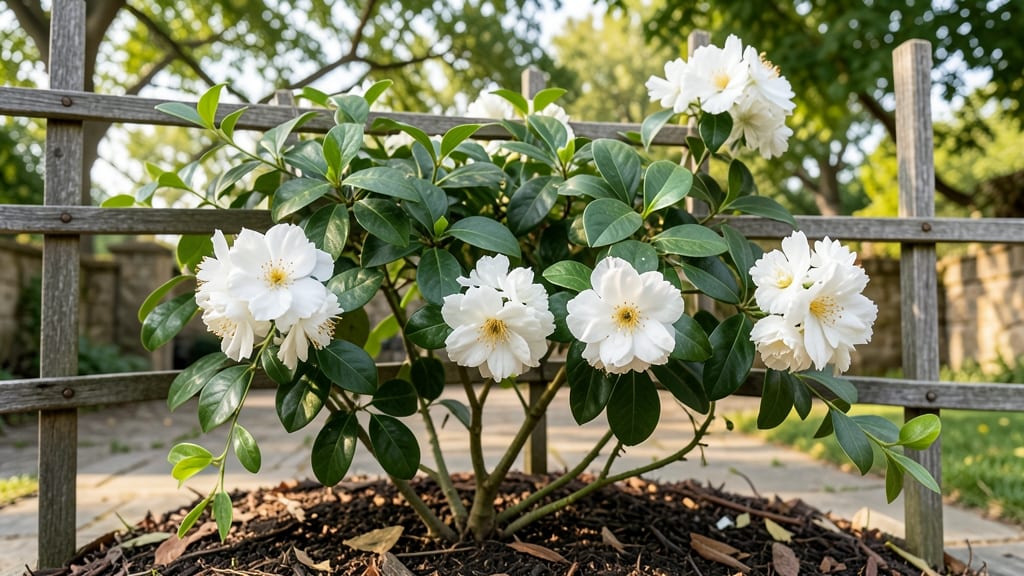
Jasmine blooms during a spring-to-summer flowering period that varies wildly by variety—from the heady scent of Arabica in June to the bold winter bursts of Winter Jasmine.
If you’ve ever caught that intoxicating scent of jasmine drifting through your garden at dusk, you know its blooms are a fleeting but magical experience—but timing is everything.
Some varieties like Jasminum officinale (🌸) thrive in USDA Zone 6a and beyond, gifting you fragrant blooms from May through July, while others, like Winter Jasmine, defy expectations by flowering from December to February.
In this guide, I’ll break down the exact months your jasmine variety is likely to bloom, how climate zones shift those windows, and the simple care tweaks that can extend your flowering period by weeks—so you’re never left waiting for that sweet, familiar aroma again.
Month-by-month jasmine flowering calendar by popular varieties
Planning your garden’s fragrance schedule starts with knowing which jasmine varieties bloom when. Each type has its own flowering window, and understanding these can help you create a year-round sensory experience.
From the intense scent of Arabica jasmine to the winter-blooming Winter Jasmine, timing is everything for maximizing those intoxicating aromas.
Whether you’re in USDA Zone 7 or a warmer climate like Zone 10, the blooming periods shift slightly. For example, Sambac jasmine thrives in heat, while Grand Duke prefers cooler springs. Below is your month-by-month guide to jasmine blooms, including peak fragrance times and regional adjustments.
If you’re growing Arabica jasmine, plan for late spring through summer blooms with the strongest scent arriving in July and August. This variety loves heat, so gardeners in USDA Zone 9 and above will see longer flowering periods.
In cooler zones like Zone 7, blooms may taper off by early September.
For Sambac jasmine, the peak fragrance happens at dusk, making it perfect for evening garden strolls. Unlike Arabica, Sambac thrives in humid climates and can even rebloom lightly in fall if temperatures stay mild. In Zone 10, expect blooms from June through October.
Grand Duke jasmine is the early bird of the group, blooming in April and May before summer heat arrives. Its morning fragrance is a highlight for gardeners who love waking up to scent. This variety is ideal for cooler climates (Zones 5-8) and often blooms 2-3 weeks earlier than Arabica.
Don’t overlook Winter Jasmine if you want fragrance in winter months. While its scent is milder, the bright yellow blooms against bare branches create a stunning display. Plant it in full sun for best results, especially in Zones 4-8, where it blooms from January through March.
To extend your jasmine’s flowering period, focus on pruning after blooms and providing balanced fertilization in spring. For example, Arabica jasmine benefits from a light prune in September to encourage new growth for next year.
Meanwhile, Winter Jasmine should be pruned in late winter to shape its structure without cutting off next year’s blooms.
Regional adjustments matter! In northern climates (Zones 4-6), Grand Duke and Winter Jasmine are your best bets for early and late-season fragrance. In southern zones (Zones 9-11), Sambac and Arabica will keep your garden smelling divine from spring through fall.
Pro tip: Pair Arabica and Sambac jasmines for a year-round fragrance strategy. While Arabica blooms in summer, Sambac often extends into early fall, creating a seamless transition. For a winter display, combine Winter Jasmine with evergreen shrubs like boxwood for year-round interest.
Now that you know the blooming windows, mark your calendar! Whether you’re planning a romantic summer evening with Arabica’s scent or a
How climate zones affect jasmine blooming seasons
Your jasmine's flowering period isn't just about the variety you've planted—it's heavily influenced by your USDA climate zone and local microclimates. In warmer zones (8-11), like Florida or Southern California, most jasmine varieties bloom year-round with peak periods in spring and fall.
Meanwhile, gardeners in cooler zones (3-7), such as the Pacific Northwest or New England, often see blooms concentrated in late spring through summer—if at all.
Temperature swings play a crucial role too. Winter jasmine (Jasminum nudiflorum) thrives in zones 4-8 and blooms in late winter to early spring when other varieties are still dormant. Meanwhile, Arabian jasmine (Jasminum sambac) needs consistent warmth (zones 9-11) to trigger its summer-to-fall flowering cycle.
Humidity also matters—high humidity (zones 7-11) can extend bloom duration, while dry climates (zones 3-6) may shorten it.
| Climate Zone | Jasmine Variety | Typical Blooming Period | Climate Impact |
|---|---|---|---|
| Zones 3-6 | Winter Jasmine | Late Feb - April | Cold winters trigger dormancy; blooms early before heat arrives. |
| Zones 7-9 | Arabian Jasmine | June - October | Long, hot summers extend blooming; humidity enhances fragrance. |
| Zones 9-11 | Sambac Jasmine | Year-round (peaks spring/fall) | Tropical climates allow continuous blooming with minimal seasonal shifts. |
| Zones 4-8 | Grand Duke Jasmine | May - July | Cool springs delay blooms; heat stress can shorten duration. |
If you're in a cooler zone (3-6) and want to extend your jasmine's blooming season, try planting near a south-facing wall to absorb heat during the day. For hot, dry climates (zones 7-9), mulch heavily and water deeply in the morning to prevent stress-induced bud drop.
In humid zones (8-11), prune lightly after blooming to encourage reblooming cycles—but avoid heavy cuts, as this can stress tropical varieties.
Delayed flowering often signals environmental stress. In zones 3-6, insufficient winter chilling may prevent buds from forming. Try moving potted jasmines to a garage or shed during winter to simulate dormancy.
Conversely, in zones 9-11, excessive heat or drought can cause buds to abort. Use shade cloth (30-50%) during peak afternoon sun to protect blooms while maintaining airflow.
One trick I’ve used in zone 5 gardens is to plant Winter Jasmine alongside Arabian Jasmine. While the Winter variety blooms in late winter, the Arabian type takes over in summer, creating a near-continuous fragrance display.
This layered planting strategy works well in zones 4-8 where seasonal shifts are dramatic. For container gardeners in zones 9-11, rotate pots to follow the sun—morning sun in summer, more direct light in winter—to maintain optimal blooming conditions.
Remember, jasmine’s scent is strongest in cooler evenings, so plan your garden layout to enjoy the fragrance when temperatures drop. Whether you're in a frost-prone zone or a tropical paradise, understanding these climate interactions will help you maximize your jasmine’s flowering potential year after year. 🌸