
Flowers
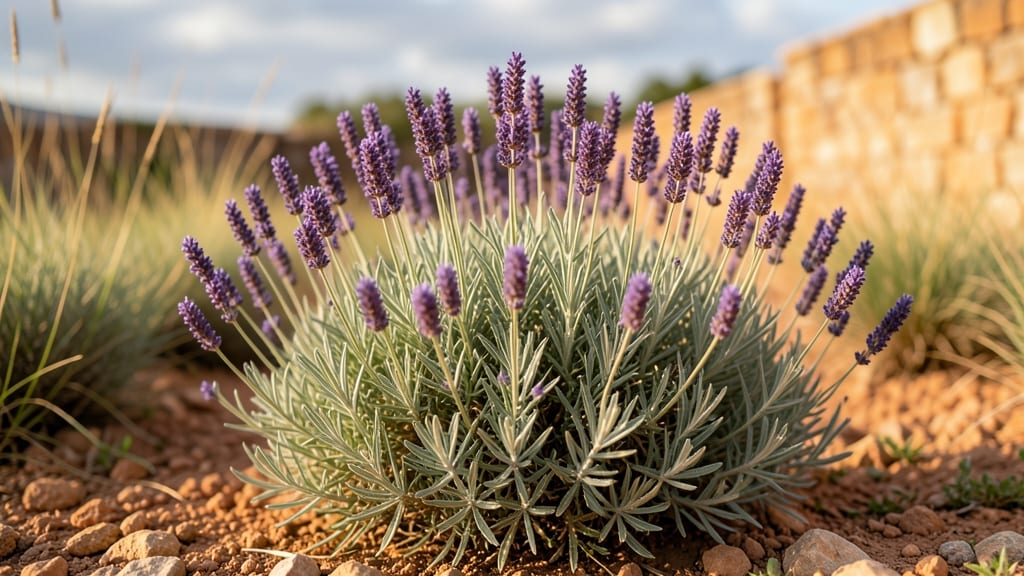
The lavender flower time when buds are just turning purple 🌸 is the secret to unlocking the highest essential oil yields—and most gardeners miss it.
Did you know the peak oil extraction happens before the flowers fully open? Harvesting at this stage can triple your aromatic power, but timing is everything. One wrong cut and you’re left with weaker fragrance and wasted plants.
From Mediterranean climates to USDA Zone 6a, the right lavender flower time varies by variety and location. English lavender peaks in late June, while Spanish types bloom later, stretching your harvest window into August.
In this guide, I’ll show you exactly how to spot the perfect buds, adjust for your region, and extend your lavender’s bloom season for maximum oil potential—no guesswork required.
When to harvest lavender for maximum essential oil extraction
Timing your lavender harvest is everything when it comes to essential oil extraction. The peak oil content occurs during the pre-bloom stage, when buds are just beginning to turn purple but haven't fully opened. This window typically appears 2-3 weeks before full bloom, depending on your climate.
Harvesting at this stage ensures the highest concentration of linalool and linalyl acetate, the compounds responsible for lavender's signature fragrance and therapeutic benefits.
Many gardeners mistakenly wait until flowers are fully open, which actually reduces oil potency by up to 40%. The science is clear: lavender's essential oil glands are most active in these tight, unopened buds.
Think of it like catching a wave at its crest—timing is everything for maximum yield and quality.
Climate plays a huge role in your harvest window. In USDA Zone 6-8 (common for home gardeners), the ideal harvest time falls between late June and early August.
However, Mediterranean climates like California's can extend this window into September, while cooler northern regions may need to harvest as early as mid-June. Always monitor your plants closely rather than relying solely on calendar dates.
To avoid over-harvesting, never take more than one-third of the plant's growth in a single session. This rule protects your lavender's health while maintaining consistent oil production. For example, if your plant has 12 stems, harvest only 4 stems at a time.
Space harvests 6-8 weeks apart to allow for regrowth and ensure next year's buds develop properly.
Morning is the best time to harvest lavender for essential oil extraction. The cool night temperatures concentrate the oils in the buds, making them most potent in the early morning hours.
Always use clean, sharp pruners to make clean cuts about 4-6 inches above the previous year's growth. This encourages bushier growth and prevents woody stems that reduce oil yield.
Regional variations matter significantly. In Mediterranean climates, lavender may bloom as early as April and continue into October, giving you multiple harvest windows. Meanwhile, gardeners in USDA Zone 5 should plan their first harvest for late June and their last for early September.
Always adjust your timing based on your specific microclimate rather than following generic seasonal guidelines.
One common mistake is harvesting lavender after rain. The high humidity can dilute the essential oils and promote fungal growth. Always wait 24-48 hours after rainfall before harvesting. Additionally, avoid harvesting in extreme heat (above 90°F), as this can cause the oils to degrade.
Early morning harvests between 6-9 AM provide the perfect balance of cool temperatures and dry conditions.
Proper storage after harvest is crucial for maintaining oil potency. Bundle stems with rubber bands and hang them upside down in a dark, dry, well-ventilated space with temperatures between 70-80°F.
Complete drying takes 2-3 weeks. Once dry, store the buds in airtight glass jars away from direct sunlight to preserve their aromatic compounds for up to 12 months.
Remember that lavender's flowering cycle can be influenced by your care practices. Pruning in early spring encourages bushier growth and more abundant blooms, while avoiding heavy fertilization prevents excessive foliage at the expense of flowers.
By mastering these timing techniques, you'll transform your lavender plants into a high-yielding essential oil factory—naturally and sustainably.
Step-by-step guide to harvesting lavender at peak oil potential
Harvesting lavender at the right flower time determines whether you get high-quality essential oil or weak, watery extracts. The key is cutting stems when 20-30% of buds have turned purple but haven’t yet bloomed fully. This pre-bloom stage concentrates the most potent oils—up to 3x stronger than fully open flowers.
To preserve that aromatic power, you’ll need the right tools and techniques. Skipping proper drying or storage can degrade oils in days. I’ve harvested lavender for years, and these steps ensure your yield stays potent for months.
Let’s dive into the exact process, from cutting to testing your oil’s quality.
How to Harvest Lavender at Peak Oil Potential
-
Step 1: Choose the Right Flower Time
Harvest when buds are purple but unopened—this is your 3-day window for peak oil. -
Step 2: Gather Tools
Use sharp pruners, clean scissors, and a basket with holes to avoid crushing stems. -
Step 3: Cut Stems Properly
Snip 6-8 inches above the base at a 45-degree angle to encourage bushier growth next season. -
Step 4: Bundle and Dry
Tie stems in small bundles and hang upside down in a dark, dry, well-ventilated space (60°F or warmer). -
Step 5: Test Oil Potency
Crush dried buds—strong fragrance means high oil content. Weak scent? Redry or adjust your harvest timing.
After cutting, never wash the stems—this strips away natural oils. Instead, let them air-dry for 2-3 weeks until the buds crumble easily. Humidity is your enemy here; aim for 40-50% humidity to prevent mold. I’ve ruined batches by drying them in damp basements—don’t make that mistake!
Once dried, store lavender in airtight glass jars away from light. Test oil quality by crushing a small batch: if it smells faint or musty, your harvest was too late or drying conditions were off. For maximum potency, harvest in the early morning when oils are most concentrated.
Pro tip: Label your jars with the harvest date and variety. English lavender retains oil potency for 12+ months, while Spanish types degrade faster. If you’re new to lavender harvesting, start small—5-10 plants—to perfect your timing before scaling up.