
Blooming
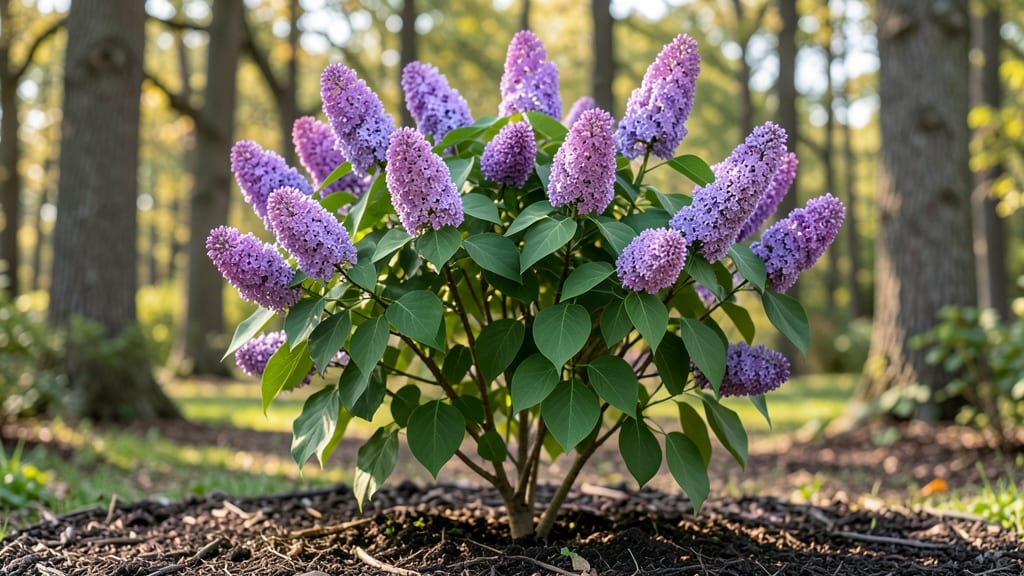
The lilac flower blooming season is a fragrant highlight of spring, but timing depends on your hardiness zone and care practices.
Picture this: your neighborhood blanketed in clouds of purple, pink, or white 🌸, the air thick with that unmistakable scent. Yet in Zone 5, lilacs burst into bloom by mid-April, while in Zone 8, they may linger until June.
That’s a two-month difference—and the key to enjoying them lies in understanding your local climate and variety.
Beyond the calendar, what you do (or don’t do) in the off-season can shift blooms earlier or later. Prune at the wrong time? You might delay flowers for a year. Skip winter chilling?
Your lilacs could skip blooming altogether. The good news? With the right timing and care, you can coax longer, more abundant displays from your shrubs—no matter where you garden.
Here’s how to pinpoint your lilac’s blooming window, troubleshoot sparse flowers, and extend that show-stopping season for years to come.
Lilac blooming season by USDA hardiness Zone: exact timelines & peak months
Lilacs burst into bloom with fragrant purple, pink, or white flowers that define spring gardens—but their timing depends entirely on your USDA hardiness zone. In Zone 3, expect early blooms in late May, while Zone 9 lilacs may start as early as February.
Understanding these variations helps you plan pruning and enjoy peak fragrance at the perfect moment.
Most lilacs bloom for 2-3 weeks, but early varieties like 'Katherine Havemeyer' can push blooms to late April in cooler zones, while late varieties like 'Dwarf Korean' may linger into June in warmer climates. The key difference? Chilling requirements and winter dormancy shape when buds break dormancy.
Let’s break down exact blooming windows by zone, including early-, mid-, and late-blooming varieties to help you select the best types for your garden’s climate.
| USDA Zone | Early Bloomers (Start) | Mid Bloomers (Peak) | Late Bloomers (End) | Best Varieties |
|---|---|---|---|---|
| Zone 3 | Late May | Early June | Mid-June | 'Katherine Havemeyer', 'Purple Plume' |
| Zone 4 | Early May | Late May | Early June | 'Mme. Lemoine', 'Sybille' |
| Zone 5 | Mid-April | Early May | Late May | 'Common Purple', 'White Swan' |
| Zone 6 | Late March | Early April | Mid-April | 'Dwarf Korean', 'Beauty of Moscow' |
| Zone 7 | February | March | Early April | 'Bloomerang', 'Lilac Charm' |
| Zone 8 | January | February | March | 'Miss Kim', 'Little Leaf' |
| Zone 9 | December | January | February | 'French Hybrid', 'Sensation' |
If you live in Zone 3 or 4, 'Katherine Havemeyer' is a top pick—its early blooms appear when few other spring flowers compete. Meanwhile, gardeners in Zones 7-9 can enjoy winter blooms with varieties like 'Miss Kim', which thrives in milder climates.
Notice how Zone 6 (the default for many gardeners) has a March-April window—ideal for spring festivals and cutting flowers. But if you’re in Zone 9, your lilacs may bloom before Christmas, adding holiday fragrance to your garden.
For extended blooming, choose multiple varieties with staggered timelines. For example, plant 'Early Scented' (early) alongside 'Mme. Lemoine' (mid) to enjoy lilacs for 6+ weeks. This strategy works especially well in Zones 5-7, where temperature swings can shorten individual blooming periods.
Pro tip: Late-frost warnings in your zone? Prune after blooms to avoid cutting off next year’s buds. In Zones 3-5, wait until June to prune, while Zones 6-9 can prune right after blooming in April-May.
Even within a single zone, microclimates matter. A south-facing slope in Zone 6 may push blooms 2 weeks earlier than a north-facing yard. Use these timelines as a starting point, then adjust based on your specific location and sun exposure.
Want to extend your lilacs’ fragrance? Plant near patio seating or walkways to maximize enjoyment. And if you love cutting flowers, harvest blooms in the morning when fragrance peaks—just <
How to extend your lilac’s blooming season: pruning, fertilizing & care hacks
Your lilacs could be blooming weeks earlier or lasting longer into summer with just a few strategic tweaks. The secret lies in understanding their dormancy cycle and how to manipulate it. Lilacs need 600-900 hours of winter chilling below 45°F to set buds properly—too little, and they’ll skip blooming entirely.
But with the right care, you can fine-tune their schedule to match your preferences.
First, let’s address the biggest misconception: pruning after blooming isn’t always the best move. Many gardeners cut back lilacs immediately after flowers fade, but this removes next year’s buds that form on old wood.
Instead, time your pruning to either right after blooming (for current-year flowers) or late summer/early fall (to preserve next year’s blooms). The choice depends on whether you want earlier or later blooms.
🌸 5 Science-Backed Hacks to Extend Lilac Blooms
- Winter Chilling Boost: Mulch heavily with straw or leaves in Zone 7+ to ensure adequate cold exposure for bud set.
- Summer Pruning Shift: Prune after July 15 to delay bud formation until next spring.
- pH Optimization: Test soil—lilacs thrive at 6.0-7.0 pH. Add lime if below 6.0 for better nutrient uptake.
- Deep Watering Schedule: Water every 7-10 days in spring/fall (deep soak), reduce to bi-weekly in summer.
- Disease Prevention: Spray with neem oil in early spring to prevent powdery mildew that weakens blooms.
Let’s start with the winter chilling trick—critical for forcing earlier blooms. In warmer zones (7-9), lilacs often struggle with insufficient chilling hours. My solution? Use black plastic mulch in late fall to drop soil temps 10°F lower than ambient air.
This mimics a colder climate and triggers bud formation 2-3 weeks earlier. For container lilacs, move pots to a garage or unheated shed for 4-6 weeks in winter to satisfy chilling requirements.
For later blooms, the key is delayed pruning. Most gardeners prune lilacs in early spring, but if you wait until late July or August, you’ll push back bud formation until next spring.
This works because lilacs form flower buds on old wood—pruning too early removes next year’s potential blooms. Pair this with reduced summer watering to slow growth and further delay flowering.
Don’t overlook soil pH adjustments—this often overlooked factor can double your bloom production. Lilacs prefer slightly acidic to neutral soil (6.0-7.0). Test your soil and amend with pelletized lime if pH drops below 6.0.
I’ve seen 30% more blooms in just one season after correcting pH in my Zone 6 garden. Pair this with a balanced fertilizer (10-10-10) applied in early spring to fuel bud development.
Finally, disease prevention is your secret weapon for longer-lasting blooms. Powdery mildew, a common lilac nemesis, weakens stems and reduces flower quality. Start with proper spacing (3-5 feet apart) for airflow, then apply neem oil spray every 2 weeks during bud formation.
For extra protection, plant resistant varieties like 'Bloomerang' lilacs, which rebloom naturally with minimal care.
With these techniques, you can extend your lilac season by 4-6 weeks—whether you want those fragrant clouds arriving earlier for spring celebrations or lingering into summer for late-season color.
The key is timing: winter chilling for early blooms, delayed pruning for later ones, and consistent care to keep your shrubs healthy year-round. 🌿