
Flowers
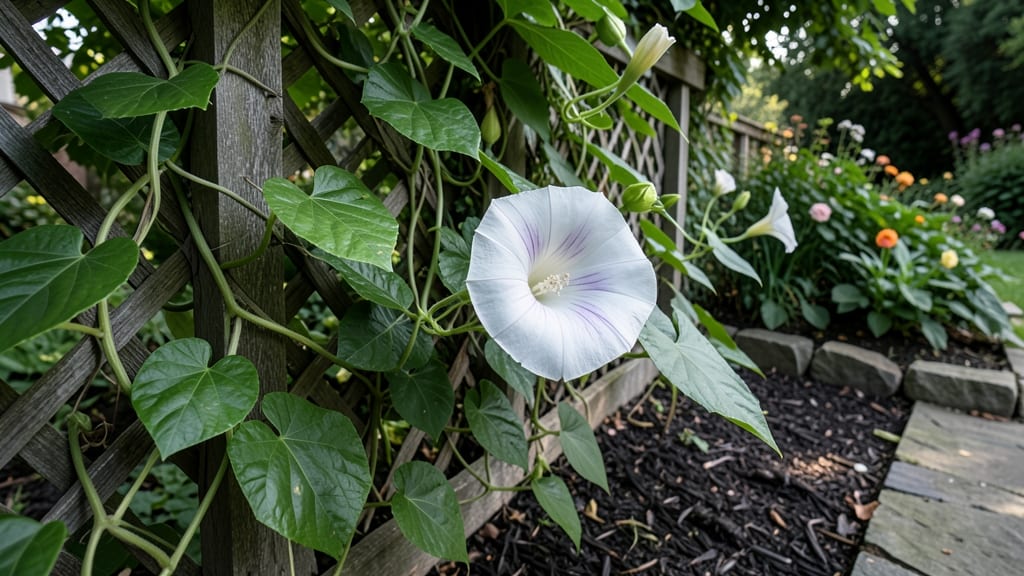
Moonflowers thrive in sun or shade, but getting the balance right is the key to those dramatic night-blooming whites you’ve been dreaming of.
Picture this: you’ve planted your 🌙 Ipomoea alba seeds in Zone 6a, watered them faithfully, and waited patiently through May and June—only for them to produce a few sad blooms before wilting. Too much sun scorches the leaves, while too little shade leaves them leggy and weak.
The right light makes all the difference between a garden that glows after dark and one that fizzles out by noon.
Here’s the good news: moonflowers are more flexible than you think. They’ll handle full sun in cooler climates but appreciate partial shade in hotter areas to keep their roots happy.
I’ll walk you through how to read their light needs, adjust your care based on their location, and even troubleshoot common blooming mistakes—so you can finally enjoy those fragrant, moonlit displays every evening.
Ready to transform your garden into a nighttime spectacle? Let’s dive into the light secrets that’ll have your moonflowers thriving from July through September.
 Best Window Placement
Moon flower light requirements: sun vs shade balance for optimal growth
Moon flowers (Ipomoea alba) thrive when given the right balance of sunlight, but many gardeners struggle to find that sweet spot between too much and too little. Unlike sun-loving plants like marigolds, moonflowers prefer bright, indirect light—especially in hot climates where harsh afternoon sun can damage delicate petals. Understanding their light needs is key to unlocking those stunning, fragrant nighttime blooms.
The ideal light conditions for moonflowers depend on your climate and location. In cooler regions, they can handle full sun exposure (6+ hours daily), while hotter areas benefit from morning sun and afternoon shade.
Without the right balance, you might see weak vines, sparse blooms, or even leaf scorch—all signs your plant is stressed. Let’s break down the best light strategies for your garden.
If you’re growing moonflowers in full sun, focus on providing morning sunlight (6 AM–12 PM) and protecting them from intense afternoon rays (1 PM–5 PM).
I’ve found that using a lightweight shade cloth (30-50% coverage) during peak summer heat helps prevent leaf burn while still allowing enough light for photosynthesis. For containers, place them near a south-facing window or on a patio with partial shade.
In partial shade conditions, moonflowers adapt well but may produce fewer blooms if light is too limited. To compensate, I recommend rotating containers every few weeks to ensure even light exposure.
If your garden has deep shade, consider supplementing with a grow light (12-14 hours daily) to mimic natural sunlight. This works especially well for indoor growers or shaded patios.
One common mistake is assuming moonflowers can handle full sun all day, especially in hot climates. I’ve seen many gardeners’ plants develop yellowing leaves or crispy edges because of overheating.
To avoid this, always monitor your plants for signs of stress—like drooping leaves or closed buds—and adjust their position if needed. A simple trick is to watch how your plants react after a few weeks and tweak their light exposure accordingly.
Seasonal adjustments are crucial for moonflowers. In spring and fall, they can tolerate more direct sunlight, but during summer’s peak heat, even full-sun varieties benefit from afternoon shade.
I’ve had great success training moonflowers to climb trellises or arbors, which naturally elevates them above the ground, reducing heat stress on their roots. This also makes it easier to move them to shadier spots during the hottest part of the day.
For container gardening, choose pots with good drainage and place them where they’ll get bright, indirect light. Terracotta pots help regulate soil temperature, which is especially helpful in hot climates.
If your balcony or patio gets intense afternoon sun, consider using a reflective surface (like a white wall) to bounce light back onto the plants gently. This mimics the effect of partial shade without sacrificing light intensity.
Remember, moonflowers are night-blooming plants, so their light needs are slightly different from daytime flowers. They store energy during the day to fuel their stunning evening displays.
If your plants aren’t blooming as expected, check their light exposure first—too little light means less energy for flowers, while too much direct sun can stress the plant before it even gets a chance to bloom.
With the right balance, you’ll be rewarded with fragrant, luminous blooms that light up your garden after dark.
Experiment with different light setups in your garden, and don’t be afraid to move plants around as the seasons change. Moonflowers are forgiving once you find their ideal spot—so keep observing, adjusting, and enjoying the magical results! 🌙
How to adjust moon flower care based on sun or shade exposure
Moon flowers (Ipomoea alba) thrive with flexibility, but their care shifts dramatically based on whether they bask in full sun or retreat into partial shade. In full sun, they’ll produce more blooms but need extra water and soil adjustments to prevent stress.
Meanwhile, partial shade slows growth but protects delicate leaves from scorching. The key is observing your plant’s cues—like leaf color or bloom frequency—to fine-tune their environment.
Start by assessing your garden’s light conditions. A south-facing trellis or open patio offers ideal full sun, while east or west exposures provide gentler afternoon shade. If your moon flowers are in deep shade (less than 4 hours of light), expect fewer blooms and leggy vines.
Even small adjustments—like moving a trellis to a sunnier spot—can transform your plant’s health overnight.
⚠️ WARNING: Signs of Light Stress Moon flowers send clear signals when their light needs aren’t met. Yellowing leaves or brown leaf edges often mean too much sun, while pale, sparse foliage or no blooms suggest insufficient light. Stunted growth or weak stems can occur in either extreme.
Act fast—these issues worsen quickly, especially during peak summer heat. Adjust their position or prune nearby shade-providing plants to restore balance.
For full-sun exposure, prioritize well-draining soil mixed with compost to retain moisture without waterlogging. Water deeply every 2-3 days in summer, focusing on the base of the plant to avoid wetting leaves (which attracts pests).
In partial shade, reduce watering to every 4-5 days and add a thick mulch layer (2-3 inches) to regulate soil temperature and conserve moisture.
Soil pH matters too—moon flowers prefer slightly acidic to neutral soil (6.0-7.0). In full sun, amend heavy clay soil with perlite or sand to improve drainage, while shaded areas benefit from organic matter like aged manure or leaf mold.
Test your soil every 2-3 years to ensure it meets these needs, especially if your garden has compacted or nutrient-poor topsoil.
Pruning plays a role in light adaptation. In full sun, trim back leggy growth to encourage bushier, more compact vines that handle heat better. In shade, prune sparingly to avoid overcrowding, which can lead to fungal issues from poor airflow.
Always use sterilized shears and remove no more than 20% of the plant at a time to avoid shocking it.
Pro tip: Train your moon flowers to climb a trellis or arbor for better light exposure. Vertical growth maximizes sun access, especially in shaded corners.
If your garden lacks ideal light, consider container growing—place pots on a rolling cart or elevated stand to adjust their position as the sun shifts throughout the day.