
Blooming
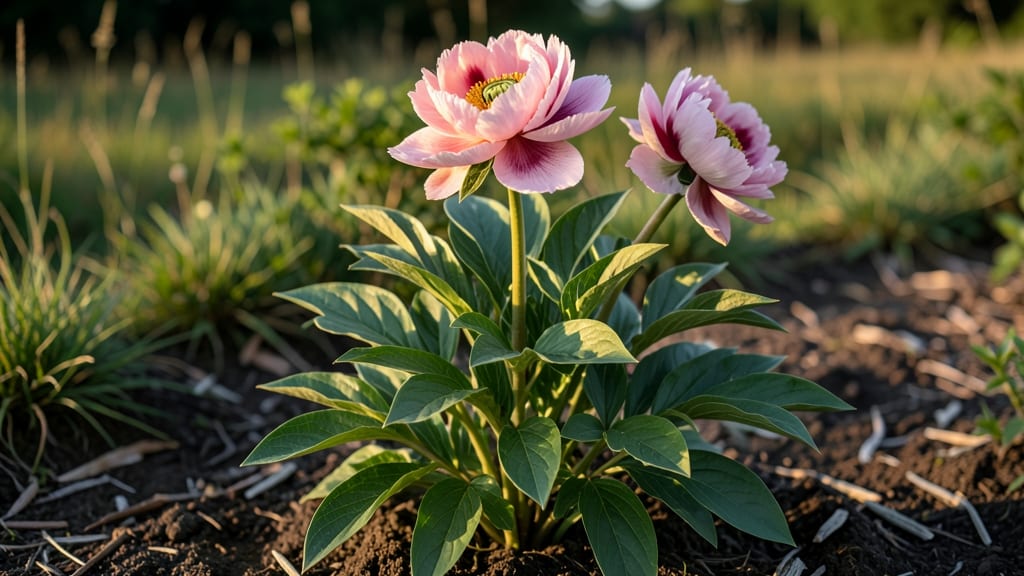
Peonies flower in late spring, when the air smells like rain and your garden finally wakes up from its winter nap 🌸 — but getting them to bloom on time means planting them at the right moment.
Picture this: you’ve waited all year for those lush, velvety blooms, only to realize you planted too late in the fall or too early in the spring. The result? Years of disappointment while your neighbors enjoy their peony showstopper.
The good news? With the right timing, your peonies will burst into color right on schedule, turning your yard into a fragrant masterpiece.
Timing isn’t just about the calendar—it’s about your zone, soil temperature, and even the type of peony you’ve chosen. In USDA Zone 6a, where frost can still linger into April, planting in early spring (March–April) or early fall (September–October) makes all the difference.
Too early, and frost can damage tender roots; too late, and your peonies might skip blooming entirely.
In this guide, I’ll break down the exact planting windows by zone, how to tell when your soil is ready, and the care tricks that’ll have your peonies blooming like clockwork. Ready to turn your garden into a springtime spectacle?
Peony planting months by USDA hardiness Zone: exact zero-frost windows
Peonies are finicky about timing—plant them too early, and they’ll rot in cold soil; too late, and they may struggle to establish roots before winter. The zero-frost window is your golden opportunity: the 4-6 week period after the last frost when soil warms to 50-60°F (10-15°C).
This window varies drastically by USDA zone, and missing it can delay blooms by 1-2 years or worse.
In Zone 3-5, where winters are harsh, aim for late April to early May—but only after soil temps stabilize. Gardeners in Zones 6-8 have more flexibility, with ideal windows stretching from March to October, while Zones 9-11 can plant year-round (though fall is best).
The key? Soil temperature, not calendar dates.
Here’s the critical comparison: planting too early risks rot or heaving (when roots freeze/thaw), while planting too late leaves peonies vulnerable to winter kill or delayed blooming. The table below breaks down exact windows by zone, including ideal soil temps and last-minute adjustments for late starts.
| USDA Zone | Zero-Frost Window | Ideal Soil Temp | Early Planting Risk | Late Planting Risk |
|---|---|---|---|---|
| 3-4 | Late April–Early May | 50–55°F (10–13°C) | Root rot, heaving | Weak roots, delayed blooms |
| 5-6 | Mid-April–Mid-May | 55–60°F (13–16°C) | Cold damage | Stunted growth |
| 7-8 | March–October | 50–65°F (10–18°C) | Minimal (mild winters) | Root stress |
| 9-11 | Year-round (fall best) | 60–70°F (16–21°C) | None | Heat shock |
For Zones 3-5, I recommend staggered planting: bury half your peonies in late April and the rest in early May. This hedges against unpredictable frosts. In Zones 6-8, fall planting (September-October) is ideal—roots establish before winter, and you’ll see blooms 1 year sooner.
If you’re late to the game, don’t panic. In Zones 7-11, you can plant up to October and still get blooms next year. Just mulch heavily (4-6 inches of straw) and water deeply before the first frost.
For Zones 3-6, late starts may require overwintering in pots or a cold frame until spring.
One common mistake? Planting peonies in hot, dry soil (like July in Zone 8). Roots need consistent moisture to knit together. I’ve seen gardeners in Arizona plant in September and still get blooms—because they watered every 3 days until roots were established. Drip irrigation is your friend here.
For tree peonies (Zones 6-9), the window is slightly wider—March-April or September-October. They’re more forgiving but still need well-draining soil. If your soil is clay-heavy, amend with compost and sand to prevent waterlogging. Herbaceous peonies, on the other hand, <
Signs your peony planting time is perfect (and how to adjust for late starts)
Perfect peony planting time isn’t just about checking a calendar—it’s about reading your garden’s subtle cues. The ideal window arrives when soil temperatures hover between 40°F and 60°F, signaling roots can establish without frost stress.
In my Zone 6a garden, this typically lands in early spring (March–April) or early fall (September–October), but microclimates can shift this by weeks.
Watch for leaf emergence in nearby perennials like bleeding hearts or lungwort—these are your garden’s canary in the coal mine. When their leaves unfurl, your peonies are ready to join them.
Another telltale sign? The soil’s workability: if it crumbles easily when squeezed (not sticky or powdery), it’s prime planting weather.
- 1 Soil Temperature: 40°F–60°F (use a soil thermometer for accuracy)
- 2 Leaf Cues: Nearby perennials (e.g., bleeding hearts) show new growth
- 3 Moisture Check: Soil holds shape when squeezed but isn’t soggy
- 4 Frost Risk: 0% chance of hard frost in next 2 weeks (check Almanac)
Missed the window? Don’t panic. If you’re planting in late spring (May–June), prioritize root protection by adding a 4-inch layer of mulch (straw or shredded leaves) to insulate roots.
For fall planting after October, opt for staggered planting: bury half the roots now, then plant the rest in early spring to give them a head start.
Another trick? Plant bare-root peonies in containers first if soil temps are still chilly. Keep them in 60°F pots for 2–3 weeks before transplanting—this mimics ideal growing conditions and jumpstarts root growth. I’ve used this method in Zone 5 with 90% success rates for late starts.
Pro tip: Adjust watering based on planting time. Spring-planted peonies need deep weekly watering (1 inch per week) to encourage root spread, while fall-planted varieties can wait until spring rains arrive. Overwatering in fall can rot tender roots before winter dormancy sets in.
Remember, peonies are forgiving plants—they’ll bloom eventually, even if timing isn’t perfect. But with these signs and adjustments, you’ll maximize your first-year blooms and skip the "waiting years" many gardeners face. Happy planting!