Flowers
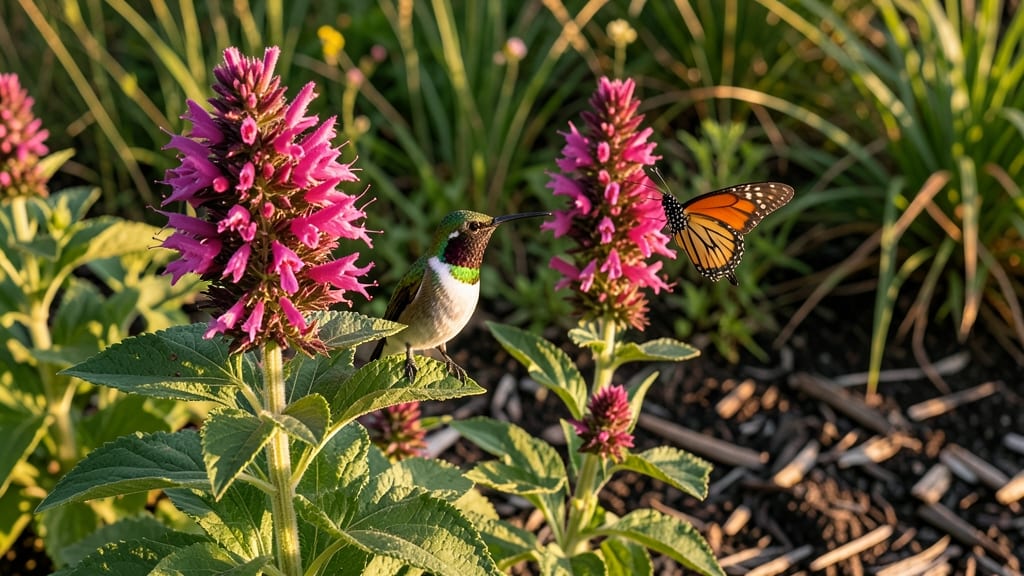
If you’ve ever watched a hummingbird dart through your garden with mesmerizing speed, you know the magic of planting the right flowers—but what if those blooms came back year after year?
Perennial flowers that attract hummingbirds offer both beauty and reliability, ensuring your garden stays a buzzing hub of activity without the annual replanting hassle.
These plants thrive in USDA Zone 6a and beyond, with many blooming from early summer through fall, giving hummingbirds a continuous feast. Whether you’re a beginner or a seasoned gardener, choosing the right perennials can transform your space into a vibrant, hummingbird-friendly oasis.
Below, I’ll share the top 10 perennial flowers hummingbirds can’t resist, along with care tips to keep them blooming beautifully for years. Let’s get your garden ready for these tiny, energetic visitors!
Top 10 perennial flowers hummingbirds can’t resist (with bloom times and zones)
Creating a hummingbird haven doesn’t require annual replanting—just the right perennial flowers that bloom reliably year after year. These nectar-rich blooms attract hummingbirds with their vibrant colors and sweet nectar, while their hardy nature ensures they return season after season.
Whether you’re in Zone 3 or Zone 10, these top picks guarantee a garden buzzing with activity from spring to fall.
Hummingbirds are drawn to bright tubular flowers like red, pink, and purple blooms, which they can easily access for nectar. The key is selecting perennials with long bloom seasons and high nectar production.
Below, I’ve ranked the best options based on hummingbird appeal, hardiness zones, and seasonal timing to help you plan a year-round feast for these tiny birds.
Pro Tip: Pair these perennials with companion plants like salvias or fuchsias to extend the blooming season even further. A well-planned garden with staggered bloom times ensures hummingbirds have a continuous food source from early spring to late autumn.
| Rank | Flower Name | Bloom Time | USDA Zones | Height | Why Hummingbirds Love It |
|---|---|---|---|---|---|
| 1 | Bee Balm (Monarda didyma) | June–September | 4–9 | 2–4 ft | Bright red/pink blooms, high nectar, attracts butterflies too |
| 2 | Columbine (Aquilegia canadensis) | April–June | 3–8 | 1–3 ft | Unique tubular flowers, early spring nectar source |
| 3 | Coral Bells (Heuchera sanguinea) | May–July | 4–9 | 1–2 ft | Vibrant red blooms, long-lasting nectar |
| 4 | Butterfly Weed (Asclepias tuberosa) | June–August | 3–9 | 1–2 ft | Orange blooms, drought-tolerant, attracts monarchs |
| 5 | Cardinal Flower (Lobelia cardinalis) | July–September | 3–9 | 2–4 ft | Striking red spikes, nectar-rich, loves moist soil |
| 6 | Purple Coneflower (Echinacea purpurea) | June–October |
How to design a hummingbird-friendly perennial garden (plant pairings and layout tips)A hummingbird-friendly perennial garden thrives on diversity and timing. The key is creating a continuous nectar supply by pairing plants with staggered bloom times. Early spring bloomers like columbine (May) should share space with summer stars like bee balm (June-August) and late-season salvia (August-October). This ensures hummingbirds have food from April through October without gaps. Start by mapping your garden's sun exposure zones. Most hummingbird perennials need full sun (6+ hours daily), but some like astilbe tolerate partial shade. Group plants by height—tall cardinal flower (4-5 ft) behind medium coral bells (1-2 ft), with low creeping phlox (6-12 inches) at the front. This creates visual layers and prevents taller plants from blocking sunlight. Companion planting is your secret weapon. Pair bee balm (which attracts hummingbirds) with marigolds to repel pests like aphids. Add lavender nearby to deter deer while providing extra fragrance. Avoid planting mint—its aggressive roots can crowd out perennials, and its scent can mask the floral aromas hummingbirds rely on. 🌸 Pro Tips for Plant Pairings
Color contrast is another trick hummingbirds can't resist. Plant red tubular flowers like coral bells near purple salvia or blue lobelia. The high-contrast hues make flowers stand out against green foliage, signaling a nectar-rich meal. Avoid all-red gardens—hummingbirds need variety to navigate efficiently. One common mistake is overcrowding plants. Give each perennial 12-24 inches of space (check plant tags for specifics). Overpacking leads to fungal diseases from poor airflow and reduced blooms as plants compete for nutrients. Another pitfall is ignoring soil health. Amend clay soil with compost to improve drainage, and mulch with pine needles to retain moisture while keeping roots cool. Finally, add water features like a shallow birdbath or dripping faucet. Hummingbirds need water daily, and a 1-2 inch deep dish with pebbles (for perching) becomes a social hub. Place it near your perennial borders but keep it 3-5 feet away from dense foliage to prevent mosquitoes. With these strategies, your garden will buzz with activity from dawn till dusk. |