
Succulent
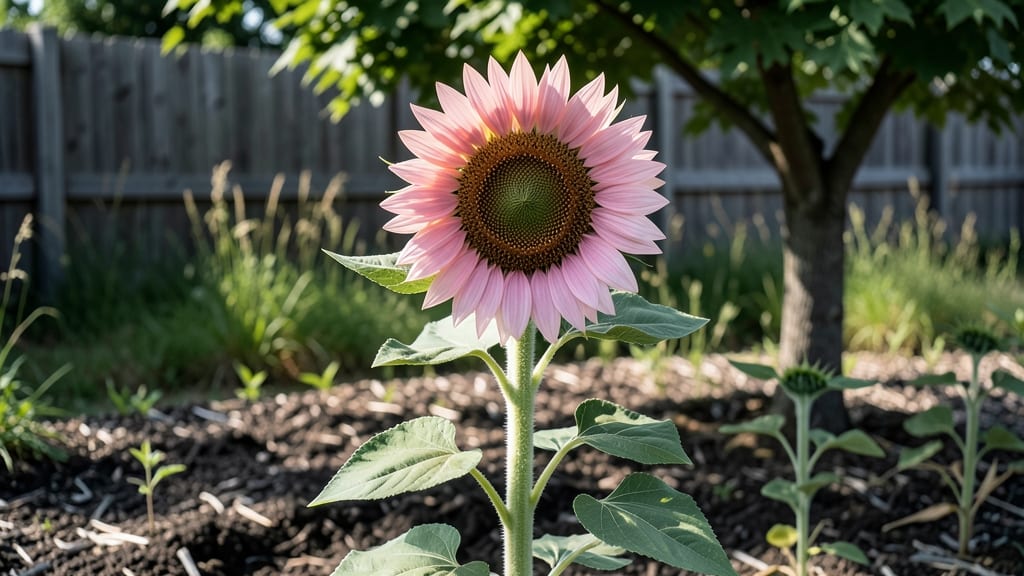
Growing pink giant teddy bear sunflowers 🌻 means adding a 10-foot-tall splash of velvety pink to your garden—far taller than your average sunflower, with petals so soft they look like a plush toy.
Picture this: a sunflower so massive it blocks your view of the neighbor’s fence, its blooms unfurling like giant teddy bears in your backyard. These aren’t just flowers; they’re a dramatic centerpiece that turns heads—and the best part? They’re easier to grow than you’d expect.
But here’s the catch: without the right soil, spacing, and support, those towering stalks can flop over like overgrown weeds. I’ve seen 6-foot stems snap under their own weight, and that’s a heartbreaking sight for a plant this stunning.
In this guide, I’ll walk you through everything from planting in April-May to keeping them standing tall through summer, so you can enjoy blooms from July to September that look like they belong in a storybook.
How to plant pink giant teddy bear sunflowers for maximum height and bloom
Growing Pink Giant Teddy Bear Sunflowers to their full 10-foot height requires strategic planning, especially when it comes to soil prep and planting timing. These sunflowers aren’t just tall—their velvety pink petals and fluffy centers make them a showstopper in any garden.
To achieve those towering stalks with vibrant blooms, you’ll need to focus on well-draining soil, proper spacing, and full-sun exposure. Let’s dive into the exact steps to set your sunflowers up for success.
First, understand that these giants thrive in USDA Zone 6a or warmer, with a 165-day frost-free period. If you’re in a cooler climate, consider starting seeds indoors 4-6 weeks before your last frost date (typically mid-May).
The key is giving them enough time to mature before the first frost hits in mid-October. I’ve found that planting in late April or early May gives my sunflowers the best chance to reach their full potential.
Step-by-Step Planting Guide for Pink Giant Teddy Bear Sunflowers
- Step 1: Choose the Perfect Location
Select a spot with full sun (6+ hours daily) and well-draining soil. These sunflowers need space—avoid planting near trees or structures that could cast shade later in the day.
- Step 2: Prepare the Soil
Test your soil’s pH (6.0-7.0 ideal). Amend with compost or aged manure to improve fertility. Mix in a balanced fertilizer (10-10-10) at planting time for a nutrient boost.
- Step 3: Plant Seeds at the Right Depth
Sow seeds 1 inch deep and 6 inches apart. Thin seedlings to 18-24 inches apart as they grow to prevent overcrowding and ensure strong stalks.
- Step 4: Water Deeply After Planting
Give seeds 1-2 gallons of water immediately after planting. Keep soil moist but not soggy—water deeply every 3-5 days during dry spells.
- Step 5: Mulch to Retain Moisture
Apply 2-3 inches of mulch around plants to suppress weeds and retain moisture. Use straw or shredded leaves—avoid fresh mulch, which can draw nutrients away.
- Step 6: Monitor for Pests Early
Watch for sunflower moths or aphids. Spray with neem oil if you spot pests, or introduce ladybugs for natural control.
- Step 7: Fertilize for Height and Bloom
Feed plants with 1 tbsp of 10-10-10 fertilizer every 4-6 weeks during the growing season. Stop fertilizing 6 weeks before first frost to harden off stalks.
- Step 8: Stake for Stability (Optional but Recommended)
Install bamboo stakes or tomato cages when plants reach 3 feet tall. Tie stems loosely with soft plant ties to prevent flopping in wind or rain.
One of the most common mistakes I see is overcrowding seedlings, which leads to weak, leggy stems that can’t support the weight of those giant pink blooms.
Always thin your seedlings to 18-24 inches apart—this gives each plant enough room to develop a sturdy, woody stem capable of reaching 10 feet tall.
I’ve also noticed that morning watering is critical; watering at night can lead to fungal issues like powdery mildew, which can weaken your sunflowers.
For maximum bloom size, avoid fertilizing too late in the season. Once your sunflowers start forming buds, switch to a lower-nitrogen fertilizer or stop fertilizing entirely. This encourages the plant to focus on flower production rather than leafy growth.
I’ve had the best results with organic compost tea during the blooming phase—it keeps the soil fertile without overstimulating foliage.
If you’re in a windy area, consider planting your Pink Giant Teddy Bear Sunflowers near a windbreak like a fence or hedge. Wind can cause stems to bend or break, especially as they near their 10-foot height.
I’ve used tall garden stakes tied with soft twine to create a natural windbreak, which also adds a rustic charm to the garden.
Finally, don’t forget to harvest your blooms at the right time. Cut flowers when the petals are fully unfurled and vibrant pink, and the center disk is dark brown and mature.
This ensures your sunflowers last longer in vases or as cut arrangements. I’ve found that harvesting in the early morning gives the longest vase life—just like a bouquet from your own garden!
With these steps, you’ll be well on your way to growing show-stopping Pink Giant Teddy Bear Sunflowers that reach 10 feet tall with velvety pink blooms. The key is patience, proper spacing, and a little extra care during those critical early stages.
Your garden will thank you with a towering display that turns heads all summer long! 🌻
Pink giant teddy bear sunflowers vs. other sunflower varieties: key differences
If you’re dreaming of 10-foot-tall sunflowers that look like they’ve been dipped in cotton candy, the Pink Giant Teddy Bear variety is your star player. But how does it stack up against other giants like Russian Mammoth or Autumn Beauty?
While all sunflowers bring sunshine to your garden, these three varieties have distinct personalities—from petal texture to care needs.
The Pink Giant Teddy Bear isn’t just about height—its velvety pink petals resemble a plush toy, giving it a whimsical charm that classic sunflowers lack. Unlike the Russian Mammoth, which boasts 12-foot monstrosities but with rougher petals, this variety prioritizes softness and color over sheer height.
Meanwhile, Autumn Beauty offers a multicolored bicolor show, but its stems rarely exceed 5 feet.
| Variety | Height | Petal Texture | Color | Staking Needs |
|---|---|---|---|---|
| Pink Giant Teddy Bear | 8-10 ft | Velvety, soft | Solid pink | High (sturdy support) |
| Russian Mammoth | 10-14 ft | Rough, papery | Golden yellow | Critical (tallest variety) |
| Autumn Beauty | 4-5 ft | Smooth, slightly textured | Bicolor (red/yellow) | Moderate (shorter but top-heavy) |
One of the Pink Giant Teddy Bear’s biggest selling points is its unique petal texture. While Russian Mammoth sunflowers have rough, papery petals that feel almost leathery, this variety’s blooms are so soft you could mistake them for fabric.
That said, their height requires staking—unlike Autumn Beauty, which stays compact but still needs light support to prevent flopping.
The color palette also sets it apart. While Russian Mammoth and Autumn Beauty dominate with golden yellows and bicolored blooms, the Pink Giant Teddy Bear brings a pastel pink that’s perfect for cottage gardens or romantic landscapes.
Pro tip: Pair it with purple coneflowers or lavender for a dreamy color combo.
Care requirements differ too. The Pink Giant Teddy Bear demands rich, well-draining soil and consistent watering to support its towering stems. Skip the staking, and you’ll end up with snap-prone stalks that bow under their own weight.
Meanwhile, Autumn Beauty thrives in average garden soil and tolerates drought better, making it ideal for low-maintenance gardens.
If you’re choosing based on height alone, the Russian Mammoth wins—but at a cost. Its 12-foot giants need heavy-duty staking and can overwhelm smaller spaces. For a balance of beauty and manageability, the Pink Giant Teddy Bear is my top pick.
It’s taller than most, but its velvety petals and pink hue make it a showstopper without the drama of its rougher cousins.