Shrubs
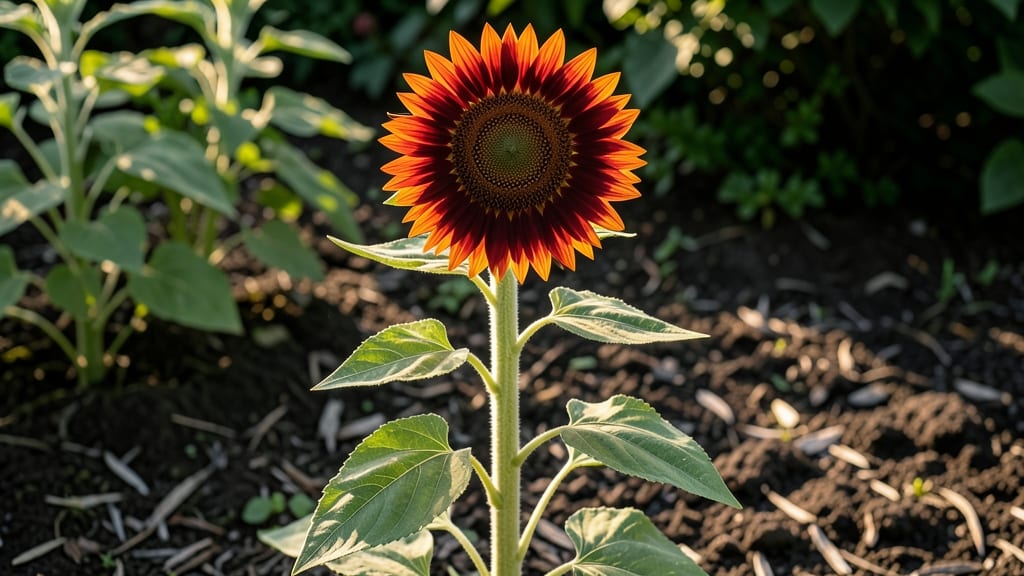
The Red Sun sunflower height can range from a modest 3 feet to a towering 12 feet or more, depending on the variety you choose.
If you’re torn between a compact 🌻 that fits neatly in a container and a sky-scraping giant that demands space, the right choice depends on your garden’s layout and your vision for bold, fiery blooms.
Dwarf Red Sun varieties stay under 5 feet, making them perfect for balconies or small plots, while standard types can reach 8 feet or taller—ideal for creating dramatic focal points.
Below, I’ll break down the height differences, how to support taller varieties, and which Red Sun types thrive in limited spaces so you can pick the perfect match for your garden.

Red Sun sunflower height comparison: dwarf vs. giant varieties explained
The Red Sun sunflower is one of the most striking varieties, offering a dramatic range of heights from 3 feet to over 12 feet.
Whether you're working with a small balcony or a sprawling backyard, understanding these height differences will help you plan your garden layout and choose the perfect cultivar for your space. Dwarf varieties thrive in containers or tight spaces, while giant varieties make bold statements as focal points.
For gardeners with limited space, dwarf Red Sun varieties (typically 3–5 feet) are ideal. These compact plants mature quickly and produce vibrant red blooms without overwhelming your garden.
On the other hand, giant Red Sun varieties can reach 10–12+ feet, creating a stunning vertical accent that draws the eye upward. Let’s explore the key differences in height, growth habits, and space requirements for each type.
🌻 Height is directly tied to maturity timelines and spacing needs. Dwarf varieties often mature in 60–75 days, while giant varieties can take 90–120 days to reach full height. This means taller varieties require more time to establish strong roots and sturdy stems before they can support their impressive blooms.
Here’s a quick comparison of what to expect from dwarf vs. giant Red Sun sunflowers in terms of height, spacing, and growth speed:
Dwarf Red Sun sunflowers are perfect for gardeners with limited space, such as those growing in containers or urban gardens. Their compact size allows them to thrive in 5-gallon pots or raised beds, making them an excellent choice for balconies or patios. These varieties also mature faster, meaning you can enjoy their vibrant red blooms earlier in the season.
If you're aiming for a dramatic visual impact, giant Red Sun varieties are unmatched. These towering plants can reach heights comparable to a two-story building, making them ideal for creating a focal point in your garden.
However, their impressive stature requires careful planning, including staking or support to prevent toppling in windy conditions.
For those in between, mid-height Red Sun varieties offer a balanced option. These plants typically grow 5–8 feet tall, making them suitable for border planting or as a transition between dwarf and giant varieties.
They also provide a good compromise for gardeners who want height without the maintenance challenges of giants.
When planning your Red Sun sunflower garden, consider the maturity timeline and how it aligns with your local climate. In warmer regions, dwarf varieties may mature even faster, while cooler climates might require extending the growing season or using row covers to protect young plants.
One critical factor to remember is spacing. Giant varieties need ample room to avoid crowding, which can lead to stunted growth or disease. Always follow the recommended spacing guidelines to ensure each plant has enough nutrients and sunlight to reach its full potential height.
For container gardening, choose dwarf varieties and ensure your pots have adequate drainage. Larger containers will support slightly taller varieties, but avoid overcrowding to prevent competition for resources.
If you're growing giants in containers, opt for 50-gallon or larger pots and use a sturdy support system like a trellis or stake.
No matter which Red Sun variety you choose, providing full sun exposure (at least 6–8 hours daily) and well-draining soil will maximize growth and bloom production. With the right care, your sunflowers will reward you with stunning height and vibrant color all season long. 🌻
How to maximize Red Sun sunflower height in your garden
To coax your Red Sun sunflowers into their tallest, most vibrant forms, start with soil preparation. These sunflowers thrive in loamy, well-draining soil with a pH between 6.0 and 7.0.
Amend heavy clay soil with compost or sand to improve aeration, and mix in a balanced fertilizer (10-10-10) at planting time to fuel rapid growth. For giant varieties, add a handful of bone meal to encourage strong root development and height potential.
Sunlight is non-negotiable for height—Red Sun sunflowers demand at least 6–8 hours of direct sunlight daily. Plant them in the sunniest spot in your garden, ideally facing south in the Northern Hemisphere.
If growing in containers, place them on a sunny patio or balcony where they can soak up unobstructed rays. Without adequate light, stems will elongate weakly and produce smaller blooms, stunting their height potential.
Watering plays a critical role in height development. Young seedlings need consistent moisture—water deeply 2–3 times per week during dry spells. Once established, reduce frequency to once weekly but ensure deep soaks to encourage deep root growth.
Avoid overhead watering, especially in the evening, to prevent fungal diseases like powdery mildew, which can weaken stems and reduce height. Mulch around the base with straw or wood chips to retain moisture and regulate soil temperature.
For tall varieties (10+ feet), support is essential to prevent toppling. Install stakes or trellises at planting time—drive a 3–4 foot stake into the soil beside each plant and loosely tie the stem to it with soft garden twine as it grows.
Alternatively, use cattle panels or tomato cages for added stability. Without support, giant sunflowers can bend or snap under their own weight, especially in windy conditions.
Fertilize strategically to maximize height. Apply a balanced fertilizer (10-10-10) at planting, then side-dress with compost mid-season to provide a slow-release nutrient boost. Avoid high-nitrogen fertilizers, which promote leafy growth at the expense of stem strength and flower size.
Instead, focus on phosphorus and potassium to support root development and blooming. For dwarf varieties, reduce fertilizer by half to prevent overgrowth and maintain compact size.
Finally, monitor for pests and diseases that can stunt growth. Watch for aphids, beetles, and powdery mildew, which can weaken stems. Treat infestations early with neem oil or insecticidal soap, and ensure proper spacing for airflow.
With the right care, your Red Sun sunflowers will reach their full height potential—whether you’re aiming for a bushy 3-foot dwarf or a soaring 12-foot giant that steals the show in your garden. 🌻