Lawn
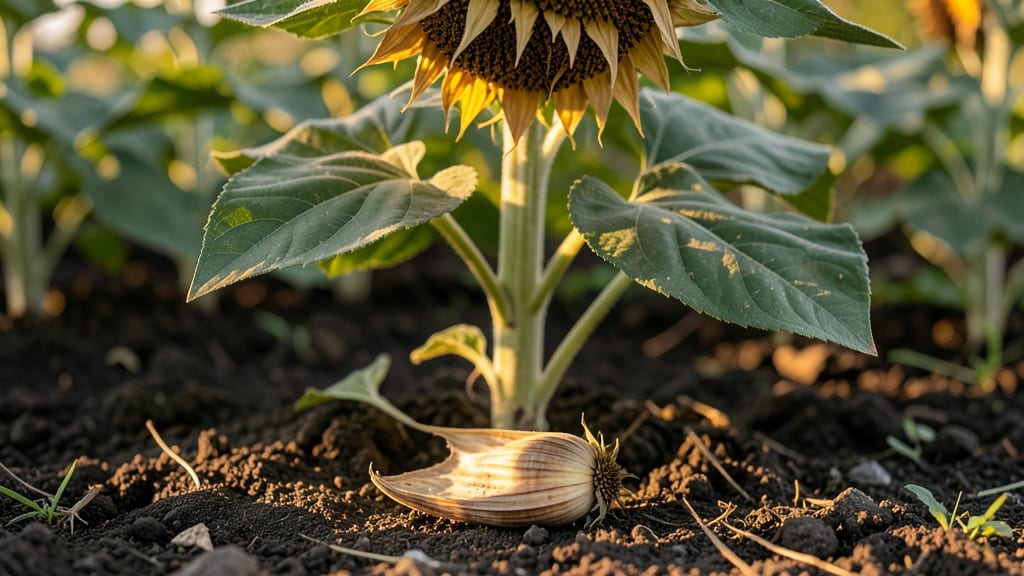
A sunflower seed’s size—typically 0.5 to 1 inch long and 0.2 to 0.4 inches wide—is the tiny foundation for a plant that can tower over you 🌻. But did you know that even these small differences in dimensions can make or break your planting success?
Those measurements might seem insignificant, but they directly influence how deep you plant, how far apart you space seeds, and even how quickly they sprout.
A seed that’s too small might get buried too deep, while a larger one could end up too close to its neighbor—both mistakes that slow down germination.
In this guide, I’ll break down the exact measurements for common and giant sunflower varieties, explain how size affects growth, and share pro tips for spacing rows and prepping soil.
Whether you’re growing standard sunflowers or giant varieties, getting these details right is the first step to a thriving garden.
Ready to plant with confidence? Let’s dive into how a tiny seed can grow into a 12-foot giant—starting with the right measurements.

Exact dimensions of a sunflower seed: length, width, and weight breakdown
Understanding the precise size of a sunflower seed is more than just a fun fact—it directly impacts how you plant them. Whether you're growing standard sunflowers or giant varieties, knowing these dimensions helps you determine planting depth, spacing requirements, and even germination success.
Let’s break down the exact measurements you need to know before digging into your garden.
Sunflower seeds vary slightly depending on the variety, but most fall within a predictable range. For example, a common sunflower seed like those from 'Mammoth' or 'Autumn Beauty' typically measures between 0.5 to 0.75 inches in length and 0.3 to 0.5 inches in width.
Meanwhile, giant sunflower seeds, such as those from 'Russian Giant' or 'Colossus,' can be noticeably larger, sometimes reaching up to 0.8 inches in length. These differences matter when planning your garden layout.
| Variety | Length (mm) | Length (inches) | Width (mm) | Width (inches) | Weight (grams) | Planting Depth |
|---|---|---|---|---|---|---|
| Common (e.g., Mammoth) | 12-19 | 0.5-0.75 | 8-13 | 0.3-0.5 | 0.1-0.2 | 1 inch |
| Giant (e.g., Russian Giant) | 20-25 | 0.8-1.0 | 14-18 | 0.55-0.7 | 0.2-0.3 | 1.25 inches |
| Dwarf (e.g., Teddy Bear) | 10-14 | 0.4-0.55 | 7-10 | 0.25-0.4 | 0.08-0.15 | 0.75 inch |
The weight of a sunflower seed also plays a role in how you handle them. Common seeds typically weigh between 0.1 to 0.2 grams, while giant seeds can reach up to 0.3 grams.
This weight difference affects how deeply you should plant them—heavier seeds need slightly more depth to stay in place and avoid being washed away by rain or displaced by birds.
For standard varieties, planting seeds 1 inch deep is ideal. This depth ensures they have enough soil contact for moisture while staying protected from extreme temperatures.
However, if you're growing giant sunflower varieties, you’ll want to plant them 1.25 inches deep to accommodate their larger size and heavier weight. This extra depth helps prevent the seeds from being pushed to the surface during watering.
Spacing is another critical factor influenced by seed size. Larger seeds, like those from giant sunflowers, often produce plants with thicker stems and larger root systems.
As a result, you’ll need to space them 18 to 24 inches apart to give their mature plants room to grow without competing for nutrients. In contrast, dwarf varieties can be spaced as close as 12 inches apart, making them perfect for smaller gardens or containers.
If you’re planting in rows, the width of the seed helps determine how closely you can space them within the row. For common sunflowers, aim for 6 to 8 inches between seeds in the row.
This spacing allows for adequate airflow, reducing the risk of fungal diseases while still maximizing your garden’s yield. For giant varieties, increase this spacing to 10 to 12 inches to avoid overcrowding.
One often-overlooked aspect of sunflower seed size is how it affects germination rates. Larger seeds tend to have more stored energy, which can lead to faster and more uniform sprouting.
If you’re planting seeds in cooler soil, opt for larger seeds or consider using a seedling heat mat to give them a head start. Smaller seeds, while still viable, may take a few extra days to break through the soil.
When storing sunflower seeds for future planting, their size matters too. Larger seeds hold moisture better, which can extend their viability if stored in a cool, dry place.
To test seed viability, perform a float test: place seeds in water—if they sink, they’re likely good to plant; if they float, they may not germinate. This simple trick saves you from planting seeds that won’t sprout, especially when dealing with smaller or older seeds.
For gardeners who love to experiment, knowing these dimensions opens up creative possibilities. For instance, you can use
How sunflower seed size impacts germination and plant growth
Sunflower seed size isn’t just a random detail—it’s the key to unlocking faster germination and stronger plants. Larger seeds pack more energy reserves, which means they sprout quicker and produce taller, more robust plants.
For example, a giant sunflower seed (like those from 'Russian Giant' varieties) can be up to 20% larger than standard seeds, giving them a head start in the race to reach maturity.
This size difference also affects how deep you should plant them. Smaller seeds need shallower planting (around ½ inch deep) to avoid suffocating, while larger seeds can handle being buried up to 1 inch deep without losing their growth potential.
Getting this right ensures your seeds don’t rot underground or struggle to push through the soil.
- Larger seeds = faster germination: Giant seeds sprout in 5-7 days vs. 7-10 days for standard seeds.
- Size affects plant height: Giant seeds grow 20-30% taller than smaller varieties.
- Spacing matters: Larger seeds need 12-18 inches apart to avoid competition.
- Soil depth impacts success: Plant giant seeds 1 inch deep; smaller seeds only ½ inch.
- Yield correlates with size: Larger seeds produce 30-50% more seeds per head.
If you’re growing sunflowers for height records or seed production, larger seeds are your best bet. They not only grow faster but also develop stronger stems, reducing the risk of lodging (when plants flop over).
For smaller varieties, like 'Teddy Bear' sunflowers, you can plant them closer together (around 6 inches apart) since they won’t compete as aggressively for nutrients.
Pro tip: If you’re unsure about seed size, soak a few in water for 24 hours. Larger seeds will absorb more water and feel heavier, giving you a quick way to sort them before planting. This simple trick can improve your germination rates by up to 25%!
Don’t overlook soil preparation either. Loose, well-draining soil helps larger seeds establish roots faster. Mix in compost or aged manure before planting to give those energy-packed seeds the nutrients they need to thrive.
With the right size and soil, your sunflowers will reach their full potential—whether you’re aiming for a 12-foot giant or a compact patio variety.
Ready to plant with confidence? Start by measuring your seeds—your future sunflowers will thank you for it! 🌻