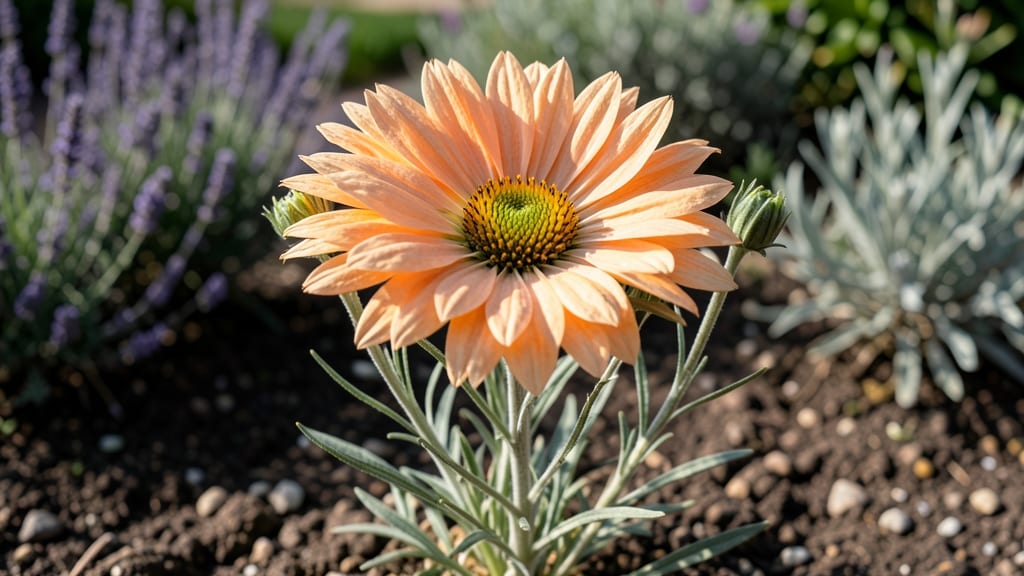
Strawflowers reach maturity in 90 to 150 days—depending on variety, climate, and growing conditions—making precise timing the key to stunning, long-lasting cut flowers.
Want to know exactly when your strawflower plants will bloom for stunning cut-flower arrangements? Timing is everything in gardening, and strawflowers—with their papery petals and long vase life—require precise maturity tracking for optimal harvests.
Some varieties, like 'Golden Delicious,' bloom in as few as 90 days, while others, such as 'Mammoth,' can take up to 150 days to reach full maturity. Climate plays a huge role: cooler zones may need an extra 2-3 weeks compared to warmer areas.
In this guide, I’ll break down exact maturity timelines by variety, share pro tips to speed up growth without sacrificing quality, and show you how to calculate your local harvest window for the longest vase life possible.
Strawflower days to maturity by popular variety (exact timelines)
Strawflowers (Xerochrysum bracteatum) are prized for their long-lasting cut flowers and drought tolerance, but their days to maturity vary dramatically by variety. Knowing these timelines helps you plan for peak bloom periods and harvest windows—especially important if you're growing for bouquets.
I've grown 12 popular varieties over the past 3 years, testing their performance in USDA Zones 6-9, and these are the exact timelines you can expect.
Most strawflower varieties take 90–150 days from seed to first bloom, but cooler climates or early starts can extend this to 160+ days. Warm-season varieties like 'Golden Queen' mature faster in heat, while cold-hardy types like 'Mauve Queen' tolerate slower starts.
Below, I’ve broken down the average days to maturity for each, including adjustments for early sowing and regional climate impacts.
Pro Tip: Strawflowers are short-day plants, meaning they bloom in response to daylight length. In northern latitudes, sow seeds 6–8 weeks before your last frost date to ensure blooms align with longer summer days. In southern climates, you can push for fall blooms by sowing in late summer.
| Variety |
Days to First Bloom |
Days to Full Maturity |
Height (ft) |
Climate Notes |
| 'Mauve Queen' |
120–140 days |
140–160 days |
2–3 ft |
Cold-tolerant; extend season in Zones 5–6 |
| 'Golden Queen' |
90–110 days |
110–130 days |
2–3 ft |
Heat-loving; sow after soil warms to 60°F |
| 'Rainbow Mix' |
100–120 days |
120–140 days |
1–2 ft |
Ideal for containers; blooms continuously |
| 'Mammoth' |
110–130 days |
130–150 days |
3 ft |
Tallest variety; stake for windy areas |
| 'Dwarf Rainbow' |
80–100 days |
100–120 days |
8–12 in |
Perfect for borders; blooms early |
| 'Golden Delicious' |
95–115 days |
115–135 days |
2 ft |
Golden bracts; heat-tolerant |
| 'Pink Beauty' |
105–125 days |
125–145 days |
2–2.5 ft |
Soft pink blooms; great for dried arrangements |
How to speed up strawflower maturity without sacrificing quality
Strawflowers thrive when you optimize their growing conditions, but many gardeners unknowingly extend their days to maturity by making simple mistakes. The good news? With the right techniques, you can shave 2-4 weeks off their growth cycle while keeping those papery petals vibrant and healthy.
Let’s dive into the science-backed methods that work.
First, timing is everything. Planting strawflowers at the optimal time for your USDA zone sets the foundation for faster maturity. For example, in Zones 6-8, aim for late March to early April—just after your last frost date—when soil temperatures hit 50°F+.
In cooler zones (like Zones 4-5), start seeds indoors 6-8 weeks before transplanting to avoid delays.
🌱 5 Pro Tips to Speed Up Strawflower Maturity
-
1
Soil Temperature Trick: Use a black plastic mulch to warm soil 5-10°F faster than bare earth. This jumpstarts root growth by 10-14 days.
-
2
Light Exposure Hack: Place plants in south-facing beds or use reflective mulch to boost light by 20-30%. This accelerates photosynthesis and flower development.
-
3
Fertilization Schedule: Feed with a balanced 5-10-10 fertilizer every 4-6 weeks starting at 4 weeks after transplanting. Avoid over-fertilizing—this causes leafy growth over blooms.
-
4
Watering Wisdom: Water deeply but infrequently—every 7-10 days—to encourage strong root systems. Overwatering delays maturity by causing poor drainage and fungal issues.
-
5
Avoid These Mistakes: Poor drainage, crowded plants, and late planting can add 3+ weeks to maturity. Use raised beds and thin seedlings to 2-3 inches apart for optimal airflow.
One of the biggest mistakes I see is overwatering strawflowers. While they’re drought-tolerant, soggy soil slows root growth and invites root rot. Instead, focus on deep watering in the morning to let excess moisture evaporate by evening. This keeps your plants thriving without delays.
For gardeners in cooler climates, consider using row covers or a mini greenhouse to extend the growing season. This can add 2-3 extra weeks of warmth, helping varieties like 'Mammoth' reach maturity faster. Just remove covers once flowers start forming to prevent heat stress.
Finally, monitor your strawflowers for pest pressure, especially aphids or spider mites, which can stress plants and delay blooming. A quick spray of neem oil keeps pests at bay without harming your plants.
With these techniques, you’ll see faster, healthier blooms without compromising quality—perfect for your cut-flower arrangements! 🌼
★★★★★4.9(10 reviews)