
Container Gardens
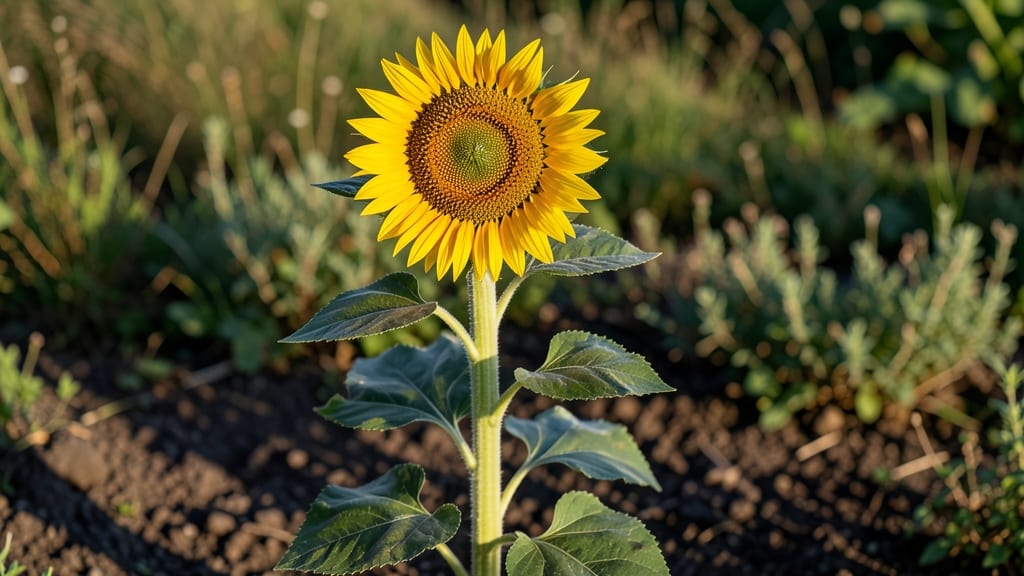
Growing sunflowers during their ideal season 🌻 means the difference between 3-foot shrubs and 12-foot giants that turn heads at the farmers' market.
Picture this: you’ve prepped the soil, spaced the seeds just right, and waited patiently—only to watch them bolt in the heat or wilt under an unexpected frost. Timing isn’t just about the calendar; it’s about matching your local climate to the sunflower’s 60- to 100-day growth window.
From USDA Zone 3 to 11, the right planting dates can add weeks to your blooming season, whether you’re in the chilly North or the balmy South. Below, I’ll break down the exact windows for your region, plus tricks to push those golden faces into late summer.
You’ll learn how to read your last frost date, choose varieties that match your season, and avoid the three biggest mistakes that keep sunflowers from reaching their full height—no guesswork, just proven results.
Sunflower planting dates by USDA Zone: when to start seeds indoors or direct-sow
Timing your sunflower (Helianthus annuus) planting is critical to achieving those 10-foot-tall giants with vibrant blooms. Whether you're growing early summer varieties or late-season giants, each USDA zone has its own ideal window.
I'll break down exactly when to start seeds indoors or direct-sow for maximum height and bloom time across zones 3 through 11.
Sunflowers thrive when soil temperatures reach at least 50°F (10°C), but they can't tolerate frost. The key is planting after your last frost date while giving them enough time to mature before first frost.
For towering varieties, you'll want 90-120 days of growing season, while dwarf varieties need just 50-60 days.
| USDA Zone | Direct Sow Window | Indoor Start Window | Ideal Soil Temp | Frost-Free Days Needed | Best Varieties |
|---|---|---|---|---|---|
| 3-4 | Mid-May to early June | Start indoors March 15-April 1 | 50-55°F (10-13°C) | 90-100 days | 'Moulin Rouge', 'Teddy Bear' |
| 5-6 | Late April to May 15 | Start indoors March 1-April 15 | 55-60°F (13-16°C) | 100-110 days | 'Autumn Beauty', 'Russian Giant' |
| 7-8 | Early April to June 1 | Start indoors February 15-April 1 | 60-65°F (16-18°C) | 110-120 days | 'Mammoth', 'ProCut' |
| 9-10 | March 1 to June 15 | Start indoors January 15-March 15 | 65-70°F (18-21°C) | 120-130 days | 'Sunzilla', 'American Giant' |
| 11 | February 1 to July 1 | Start indoors December 15-February 15 | 70-75°F (21-24°C) | 130+ days | 'Giant Russian', 'Super Singhia' |
For USDA zones 3-4, I recommend starting seeds indoors 4-6 weeks before your last frost date. This gives young plants a head start before transplanting outdoors. In colder zones, choose dwarf varieties like 'Teddy Bear' that mature faster and tolerate cooler temperatures better.
In zones 5-7, you can direct-sow after your last frost date, typically between late April and mid-May. For maximum height, plant tall varieties like 'Russian Giant' in full sun with 6+ hours of direct light.
These varieties need 120 days to reach their full potential, so time your planting accordingly.
Gardeners in zones 8-11 have the longest growing seasons, allowing for both spring and fall plantings. In these warmer zones, you can direct-sow as early as February for a spring harvest or July-August for fall blooms.
Varieties like 'Sunzilla' thrive in these conditions and can reach 14 feet tall with proper care.
Pro tip: Use black plastic mulch to warm soil faster in cooler zones. This can extend your planting window by 2-3 weeks and help young seedlings
How to extend your sunflower growing season for longer blooms
Sunflowers are summer's brightest stars, but their season doesn't have to end with the first frost. With the right strategies, you can coax late-season blooms and even winter-hardy varieties to keep your garden vibrant longer.
The key lies in understanding succession planting, cold-tolerant varieties, and protective techniques that shield tender plants from early chills.
Many gardeners assume sunflowers are strictly summer plants, but some varieties thrive well into fall—and even survive light frosts. By extending your growing season, you can enjoy taller stems, larger blooms, and continuous pollinator visits.
Whether you're in USDA Zone 5 or Zone 9, these proven methods will help you push your sunflowers' potential to its limits.
🌱 Top Strategies to Extend Your Sunflower Season
- 1. Succession Planting: Sow short-season varieties every 2-3 weeks from late spring to early summer for staggered blooms. Use 'Autumn Beauty' or 'Moulin Rouge' for reliable late-season performance.
- 2. Cold-Hardy Varieties: Choose tolerant cultivars like 'Russian Giant' (survives light frost) or 'Teddy Bear' (compact, cold-resistant). These thrive in USDA Zones 3-9 with proper protection.
- 3. Shade-Cloth Protection: Use 30-50% shade cloth to delay bolting in hot climates or shield young plants from early fall frosts. Secure cloth 2-3 feet above plants for airflow.
- 4. Row Covers: Lightweight frost blankets extend the season by 2-4 weeks. Remove during the day for pollination, then replace at dusk to protect from 28°F+ frosts.
- 5. Post-Harvest Care: Leave seed heads on stalks until fully mature (back turns brown). Collect seeds for next year's early planting or dry for bird feeders.
For northern climates (Zones 3-6), focus on succession planting and row covers. In southern regions (Zones 7-11), prioritize shade cloth and late-maturing varieties to avoid heat stress.
My personal favorite trick? Planting a mix of dwarf and standard varieties—the dwarfs bloom earlier, while the tall ones stretch for fall color.
Don't overlook soil preparation as temperatures drop. Amend beds with compost and aged manure before planting to boost root resilience. Mulch with straw or leaves to insulate roots and retain moisture. In Zone 5 or colder, consider black plastic mulch to absorb heat and accelerate growth in spring.
Timing is critical for late-season success. In USDA Zone 7, for example, plant 'Moulin Rouge' seeds by July 15 for fall blooms. In Zone 9, you can push it to August 1 with shade cloth.
Always check your average first frost date and count backward: sunflowers need 80-100 days to maturity.
Pro tip: Harvest seed heads before the first hard frost and store them in a cool, dry place to replant next spring. This two-season strategy ensures you’re always ahead of the game—no wasted seeds or missed blooms! ☀️🌻