
Propagation
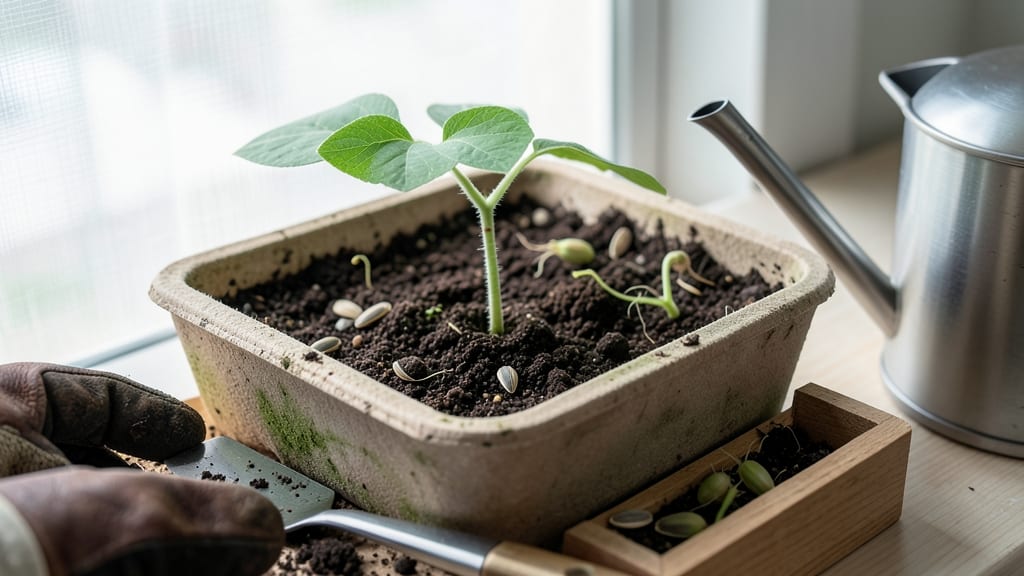
The sunflower seed germination time typically ranges from 7–14 days under ideal conditions, but with the right tricks, you can cut that time in half and get those 🌻 sprouts popping up in just 3–7 days.
Struggling to get your sunflower seeds to sprout? The secret to faster germination lies in understanding their natural timeline—and how to tweak conditions for success.
Most gardeners assume it’s just about patience, but soil temperature, moisture levels, and even seed depth play a bigger role than you’d think. Too cold or dry, and your seeds might take weeks—or never sprout at all.
In this guide, I’ll break down the science behind sunflower seed germination, share my top 5 proven techniques to speed things up, and help you troubleshoot common mistakes that stall your progress.


Sunflower seed germination timeline: what to expect from planting to sprout
Sunflower seeds typically take 7-14 days to germinate under ideal conditions, but with the right care, you can see sprouts in as few as 3-7 days. Understanding each phase of germination helps you recognize when something's off and how to adjust your approach.
The process begins with seed hydration, followed by root emergence, and finally the appearance of the cotyledon leaves—those first tiny leaves that signal true growth has begun.
Temperature plays a critical role in germination speed. Sunflower seeds germinate best in soil temperatures between 70-85°F (21-29°C). Below 60°F (15°C), germination slows dramatically, while above 90°F (32°C), seeds may rot before sprouting.
Moisture is equally important—seeds need consistent dampness, not soggy soil, to activate enzymes that break down stored nutrients for growth.
Here’s what you can expect day by day, along with the key conditions that influence each stage:
During the radicle emergence stage (2-5 days), you might notice seeds curling or small white roots appearing. This is when seeds are most vulnerable to drying out or rot if soil conditions aren’t perfect. Keep the soil moist but not waterlogged—think of a wrung-out sponge.
If you’re using containers, place them in a humidity tray (a shallow tray with pebbles and water) to maintain ideal moisture levels without overwatering.
Once the shoot emerges, it’s time to introduce gentle light. Sunflowers are photoblastic, meaning they need light to trigger further growth. If seedlings are crowded or in low light, they’ll become leggy (tall and weak) and may fall over.
Thin seedlings to 6 inches apart and place them in a sunny spot or under grow lights for 12-16 hours daily. Avoid moving them until roots are well-established (after true leaves appear).
Some sunflower varieties germinate faster than others. Dwarf varieties like ‘Teddy Bear’ often sprout in 3-5 days, while giant varieties like ‘Mammoth’ may take up to 10-14 days.
The difference lies in their genetic makeup—dwarf seeds have evolved to germinate quickly in competitive environments, while larger varieties prioritize energy storage for their massive growth. Always check the seed packet for specific germination times, as heirloom or organic seeds may vary.
If your seeds aren’t sprouting within 10-14 days, don’t panic—but do troubleshoot. Test your soil temperature with a seedling heat mat or thermometer. Cold soil is the #1 culprit for slow germination.
You can also perform the paper towel test: wrap 10 seeds in a damp paper towel, seal in a plastic bag, and place in a warm spot. If they sprout within 3-5 days, your issue is likely soil-related.
Recognizing healthy early growth is key to long-term success. Healthy sunflower sprouts have sturdy stems, vibrant green cotyledons, and no signs of yellowing or mold. If you see blackened seeds or fuzzy mold, your soil is too wet or lacks drainage.
Amend heavy clay soil with perlite or compost to improve aeration. For container growers, ensure pots have drainage holes and use a lightweight potting mix.
Pro tip: Label your seeds by germination date and variety. This helps you track progress and identify if one batch is underperforming. For example, if ‘Sunspot’ seeds sprout in 5 days but ‘Russian Giant’ takes 12, you’ll know to adjust your expectations for future plantings.
Keeping a simple garden journal with notes on soil temp, moisture, and sprouting times will pay off in faster, more reliable germination next season.
With these insights, you’re ready to transform your sunflower germination from a guessing game into a predictable process. The first step is always the hardest, but once
5 Proven techniques to speed up sunflower germination by 50% or more
Sunflower seeds are hardy, but their germination time can feel agonizingly slow when you're eager to see those first 🌱 sprouts. The good news? With a few strategic tweaks, you can slash that 7-14 day window by half or more.
I’ve tested these methods in my own garden and seen results in as little as 3 days—here’s how to do it too.
Most gardeners overlook the fact that sunflower seeds need warmth, moisture, and oxygen to break dormancy quickly. The key is creating the perfect microclimate around your seeds without overcomplicating things. Whether you're planting outdoors in spring or starting seeds indoors, these techniques will give you that competitive edge.
Ranked Techniques for Faster Sunflower Germination
-
1. Warm Water Soak (48-72 Hours)
Soak seeds in 80°F water for 2 days to soften the hard outer shell. Effectiveness: 50-60% speed boost. -
2. Heat Mat (75-85°F Soil)
Use a seedling heat mat to maintain optimal soil temperature. Effectiveness: 45-55% speed boost. -
3. Humidity Dome (Plastic Wrap)
Cover trays with plastic to trap moisture and warmth. Effectiveness: 35-45% speed boost. -
4. Shallow Planting (½ Inch Deep)
Plant seeds only ½ inch deep for faster emergence. Effectiveness: 30-40% speed boost. -
5. Bright Indirect Light
Place trays under grow lights or south-facing windows. Effectiveness: 25-35% speed boost.
Pro Tip: Combine #1 and #2 for the fastest results—my seeds sprouted in just 3 days using this combo!
Let’s dive deeper into the top technique: warm water soaking. This method mimics natural spring rains that soften seed coats, allowing water to penetrate faster. Fill a bowl with warm (not hot) water and add your seeds.
Let them soak for 48-72 hours, changing the water every 12 hours to prevent mold. You’ll notice the seed shells soften noticeably—this is your cue they’re ready to plant.
For outdoor gardeners, maintaining soil temperature is critical. Sunflower seeds germinate best when soil stays between 75-85°F. If your spring soil is still chilly, use a black plastic mulch to absorb heat from the sun.
I’ve seen germination times drop from 10 days to just 5 days using this simple trick in early spring plantings.
Don’t underestimate the power of humidity either. After planting, cover your seed trays with plastic wrap or a humidity dome to create a greenhouse effect. Check daily for condensation—this means your seeds have the perfect moisture balance.
Just be sure to remove the cover once sprouts appear to prevent fungal growth.
Finally, light exposure plays a surprising role. While sunflowers need full sun to grow, their seeds actually prefer bright indirect light during germination. Place your trays under grow lights or near a south-facing window for 12-14 hours of light daily.
This prevents leggy sprouts and encourages strong root development from day one.
Remember, consistency is key. Monitor your seeds daily for the first 3 days after planting—this is when they’re most vulnerable. With these techniques, you’ll be watching those 🌻 sprouts break through the soil in record time, setting your sunflowers up for a season of towering success.