
Vegetables
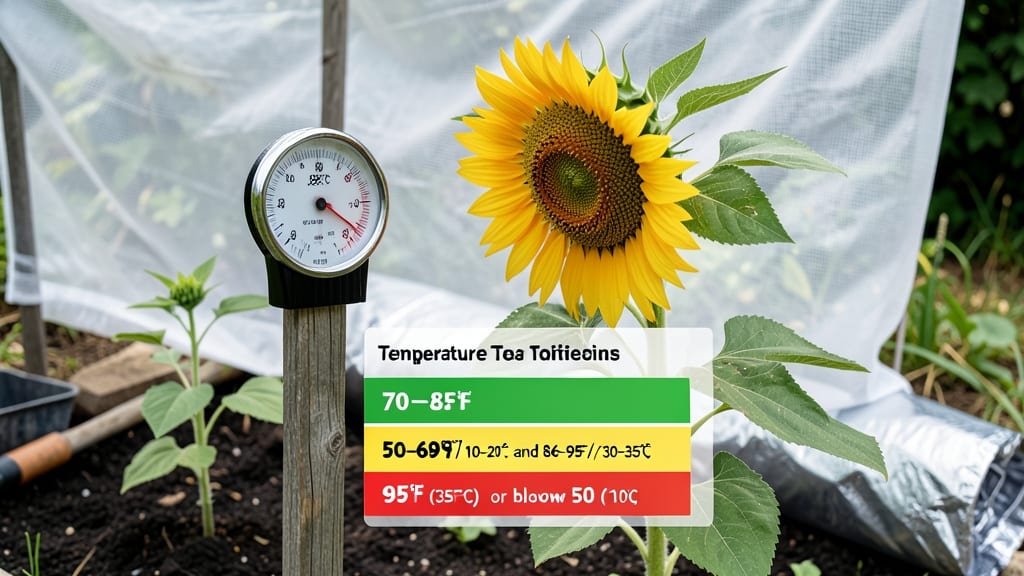
Sunflowers thrive best when you respect their sunflower temperature tolerance, which sits between 50°F and 95°F for peak growth—but push those limits, and you’ll see the 🌻 struggle—or worse.
Picture this: you’ve just sown your seeds in early spring, eager for those towering blooms, only to watch them wilt under a sudden heatwave or shiver when frost sneaks in.
Sunflowers are tough, but they’re not invincible—and knowing their exact temperature boundaries is the difference between a bountiful harvest and a sad, stunted plant.
From germination to full bloom, each stage has its own sweet spot. Too cold, and seeds won’t sprout; too hot, and those vibrant petals start curling before they even open.
Whether you’re in USDA Zone 6a or a warmer climate, timing your planting and protecting your plants can mean the difference between a garden showstopper and a lost investment.
In this guide, I’ll break down the ideal ranges for every growth phase, red-flag signs of stress, and practical tricks to keep your sunflowers thriving—no matter what Mother Nature throws at them.
Sunflower heat tolerance: optimal temperature ranges for growth and flowering
Sunflowers love warmth but struggle when temperatures climb too high. The ideal daytime range for sunflowers is between 70°F and 85°F (21°C–29°C). Within this zone, they grow vigorously, develop strong stems, and produce large, vibrant blooms.
Nighttime temperatures should stay above 55°F (13°C) to prevent stress and ensure healthy flowering.
When daytime temperatures exceed 90°F (32°C), sunflowers start showing signs of heat stress. This includes leaf curling, wilting, and yellowing edges.
Prolonged exposure to extreme heat can stunt growth, reduce flower size, and even cause premature bolting—where plants flower too early and produce fewer seeds.
Here’s how sunflower heat tolerance aligns with USDA hardiness zones. Most sunflowers thrive in zones 4–11, but their performance varies by temperature extremes. For example, dwarf varieties like 'Teddy Bear' handle heat better than towering Russian Mammoth types, which need extra care in hot climates.
| Growth Stage | Ideal Day Temp (°F/°C) | Ideal Night Temp (°F/°C) | Heat Stress Signs |
|---|---|---|---|
| Germination | 70–80°F (21–27°C) | 60–70°F (16–21°C) | Slow sprouting if <60°F (16°C) |
| Seedling | 65–75°F (18–24°C) | 55–65°F (13–18°C) | Wilting, stunted growth |
| Vegetative | 70–85°F (21–29°C) | 60–70°F (16–21°C) | Leaf curling, yellowing |
| Flowering | 75–85°F (24–29°C) | 60–75°F (16–24°C) | Smaller blooms, early bolting |
| Extreme Heat | Above 90°F (32°C) | Above 75°F (24°C) | Wilting, leaf drop |
To protect sunflowers during heatwaves, start with mulching. Apply a 2–3 inch layer of organic mulch (straw or wood chips) to retain soil moisture and regulate temperature. This simple step can reduce soil temperature by 5–10°F (3–6°C), creating a cooler microclimate for roots.
Another effective tactic is using shade cloth. Lightweight 30–50% shade fabric can block excess sunlight during peak hours (11 AM–3 PM). Secure it 1–2 feet above plants to allow airflow and prevent humidity buildup, which can lead to fungal issues like powdery mildew.
Watering schedules are critical during heatwaves. Sunflowers need deep, infrequent watering—aim for 1–1.5 inches per week, delivered in the early morning to minimize evaporation. Avoid overhead sprinkling, which can damage leaves and promote disease. Instead, use drip irrigation or soaker hoses to deliver water directly to the soil.
If temperatures soar above 95°F (35°C), consider temporarily moving young seedlings to a shadier location or under a cloche. Mature plants can handle heat better but may still benefit from evening watering to help them recover overnight.
Monitor plants closely for signs of stress, like drooping leaves or discolored foliage.
In regions with USDA zones 8–11, where summer heat is intense, opt for heat-tolerant varieties like 'Autumn Beauty' or 'ProCut'. These types are bred to withstand higher temperatures and still produce abundant blooms. Pair them with reflective mulch (like aluminum foil) to deflect excess heat from the soil.
Finally, remember that sunflowers are annuals, so their tolerance varies by maturity. Seedlings are far more sensitive than established plants. If you’re gardening in hot climates, consider fall planting
Cold temperature limits: how low can sunflowers tolerate before freezing?
Sunflowers thrive in warmth, but their cold tolerance varies dramatically between seedlings and mature plants. While adult sunflowers can survive brief dips to 20°F (-6°C), young plants are far more delicate.
Understanding these temperature thresholds helps you avoid frost damage and plan your planting schedule wisely for your region.
Germination requires soil temperatures of at least 50°F (10°C), but seedlings can't handle frost at all. Even a light freeze (32°F/0°C) will kill tender young plants, making early spring planting risky in colder climates.
Mature plants, however, develop cold-hardiness as they grow, with some varieties handling winter temperatures down to 15°F (-9°C).
For gardeners in USDA Zones 3-5, timing is everything. Plant after your last frost date or use row covers to protect seedlings from unexpected cold snaps. In Zone 6 and above, you can experiment with fall sowing for late-season blooms, but always monitor forecasts for early frosts.
Watch for cold stress signs like yellowing leaves, stunted growth, or blackened stems. If temperatures drop below 28°F (-2°C) for more than a few hours, even mature plants may suffer. In these cases, mulching with straw or using frost blankets can provide critical protection during overnight freezes.
Northern gardeners can extend their growing season by starting seeds indoors 4-6 weeks before the last frost, then transplanting hardened-off seedlings when soil temperatures reach 55°F (13°C). This head start gives plants a better chance to establish roots before summer heat arrives.
Remember, sunflowers are annuals, so their cold tolerance is seasonal. While they may survive winter in the ground in mild climates, they won't regrow in spring. Always treat them as one-season wonders and plan accordingly for your local frost dates.