
Orchid Care
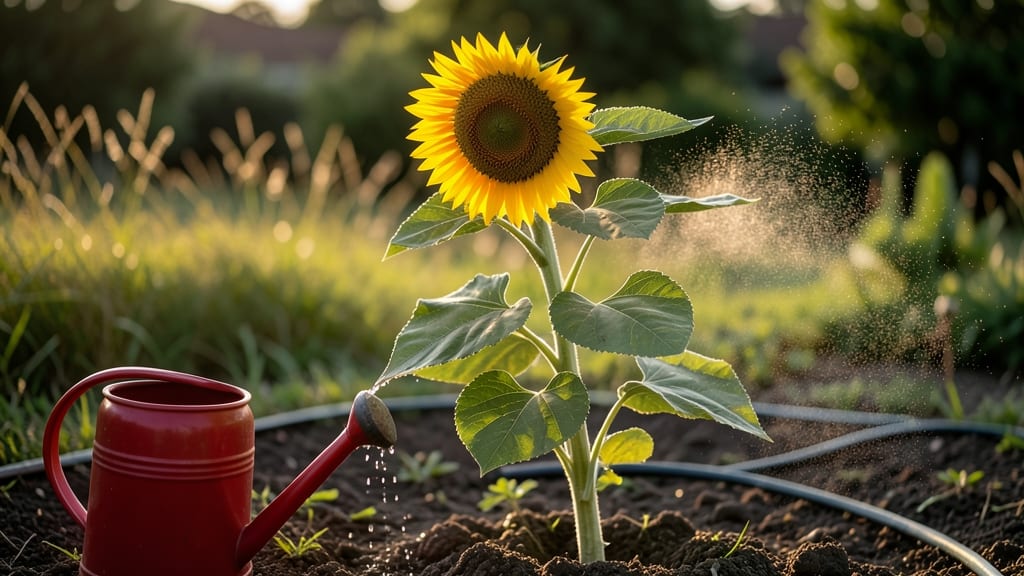
Giving sunflowers the right amount of water is the secret to turning those tiny seeds into towering plants that reach for the sky.
Picture this: your 🌻 seedlings start wilting by noon, or worse, their leaves turn yellow and droop by afternoon—signs you’re either drowning them or leaving them thirsty. The truth? Sunflowers need deep, infrequent watering to grow strong roots, but too much water can rot them before they even bloom.
In this guide, I’ll break down exactly how much water sunflowers need at each stage—from sprouts to flowering giants—plus how to adjust for your climate, soil type, and even the time of day. No more guessing whether your plants are happy or drowning.
You’ll learn the science-backed schedule that keeps your sunflowers thriving, from USDA Zone 6a spring plantings to summer heatwaves, so you can enjoy those sun-soaked blooms all season long.
How much water do sunflowers need for optimal growth?
Sunflowers thrive with the right balance of water—too little stunts their growth, while too much can drown their roots. Understanding their water needs by growth stage is key to cultivating healthy, towering plants. From delicate seedlings to mature blooms, each phase demands a tailored approach to hydration.
In my experience, sunflowers need consistent moisture, especially during their first few weeks. They’re surprisingly resilient once established but require precise care to prevent common issues like wilting or root rot. Let’s break down the ideal watering schedule for each growth phase, from seedling to maturity.
During the seedling stage (0-4 weeks), sunflowers need frequent watering to establish roots. I recommend keeping the soil consistently moist but never soggy—think of it like wringing out a damp sponge. In hot climates, daily misting in the morning can prevent seedlings from drying out too quickly.
As sunflowers enter the vegetative stage (4-8 weeks), they develop deeper roots and can handle slightly less frequent watering. Aim for 1-2 inches of water per week, delivered through deep watering sessions. This encourages roots to grow downward, making the plant more drought-resistant as it matures.
When sunflowers begin flowering (8-12 weeks), they require deep watering every 7-10 days. This is critical for bud formation and preventing the stems from becoming weak. I’ve found that watering in the early morning minimizes evaporation and reduces the risk of fungal diseases like powdery mildew.
For mature sunflowers (12+ weeks), you can reduce watering to every 10-14 days. At this stage, the plants are more established and can tolerate slightly drier soil. However, avoid letting the soil become bone-dry, as this can cause the stems to weaken or the flowers to wilt prematurely.
Climate plays a huge role in sunflower watering needs. In arid regions, I increase frequency to every 5-7 days during peak summer months, while in humid climates, I reduce watering to every 10-14 days to prevent root rot.
Always check the soil moisture by sticking your finger 1-2 inches deep—if it feels dry, it’s time to water.
One common mistake I see is shallow watering, which only wets the surface and encourages shallow roots. Instead, use a soaker hose or drip irrigation to deliver water slowly and deeply. This method also reduces water waste by minimizing evaporation.
Watch for signs of overwatering, like yellowing leaves or mushy stems, and underwatering, such as drooping or crispy edges. Adjust your schedule based on these visual cues—sunflowers are forgiving but need consistent care to thrive.
With the right watering routine, your sunflowers will grow from tiny sprouts into vibrant, towering beauties that brighten any garden. Remember, consistency is key—whether you’re nurturing seedlings or mature blooms, keeping their roots happy ensures a bountiful harvest.
Deep watering techniques to prevent sunflower root stress
Sunflowers thrive when their roots dive deep for moisture, but shallow watering leads to weak stems and stunted growth. The key is deep watering—soaking the soil to a depth of 12-18 inches—to encourage roots to grow downward instead of sprawling near the surface.
This technique mimics natural rainfall patterns and helps your sunflowers develop the strong taproots they need to support their towering height.
Timing matters just as much as depth. Watering in the early morning (between 6-9 AM) gives foliage time to dry before evening, reducing fungal risks like powdery mildew. Avoid evening watering, which leaves moisture on leaves overnight—a perfect breeding ground for root rot and leaf spot diseases.
Pro tip: Use a moisture meter or stick your finger 3 inches deep into the soil; if it feels dry, it’s time to water.
⚠️ WARNING: Common Watering Mistakes That Kill Sunflowers ⚠️
- Yellowing leaves (chlorosis) from oxygen-starved roots
- Mushy stems at the base (root rot)
- Foul-smelling soil when disturbed
- Leaves wilt by midday despite "watering daily"
- Stems lean or flop under their own weight
- Roots circle at the soil surface (visible when transplanting)
Adjust your watering schedule based on your local climate and soil type. In hot, dry summers (like USDA Zone 6a), increase frequency to every 5-7 days and water until the soil is 6 inches deep and damp.
In heavy rainfall months, reduce watering to every 10-14 days and check for waterlogged soil—sunflowers hate soggy feet. Pro move: Group sunflowers with drought-tolerant companions like marigolds or lavender to create a microclimate that retains moisture.
For container-grown sunflowers, the rules change slightly. Smaller pots dry out faster, so water every 3-5 days in summer and monitor the soil weight—lighter pots need more frequent watering. Use self-watering containers or bury the pot halfway in the ground to stabilize soil moisture.
If your sunflower’s leaves curl upward (a classic drought stress signal), it’s already too late for a quick fix; focus on deep watering going forward.
Signs your deep watering is working? Look for deep green leaves, firm stems, and minimal wilting even on hot days. Healthy sunflowers should have 1-2 inches of new growth per week during peak season.
If you’re still seeing yellowing between veins or blackened leaf edges, your watering routine needs tweaking—likely too much salt or poor drainage. Flush the soil with 2-3 inches of water to leach out excess salts and switch to rainwater or filtered water if using tap water.
Mastering deep watering transforms sunflowers from wilting weeds to sun-soaked giants. Start with a 12-inch probe (or trowel) to check soil depth, stick to morning watering, and adjust for your microclimate.
With this method, your sunflowers will grow stronger roots, bigger blooms, and taller stems—proving that patience and depth pay off in the garden. 🌻