
Flowers
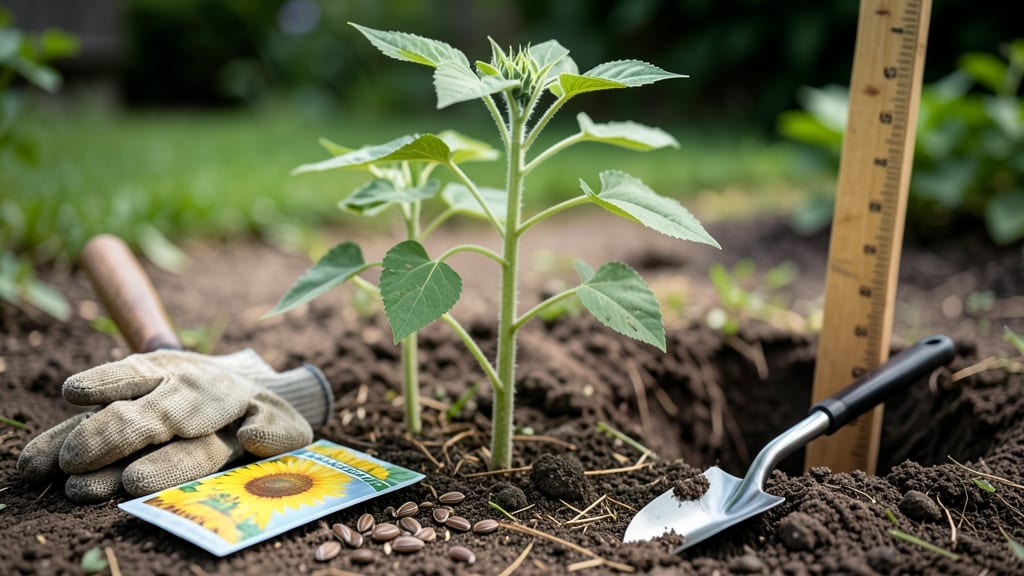
Planting sunflowers in Florida between March and May or August and September ensures fast germination and vibrant blooms 🌻 — the key to beating the heat and avoiding stunted growth.
Sunflowers thrive in Florida’s warm climate—but planting them at the wrong time can leave you with wilted stems or stunted blooms. Timing is everything for these sun-loving giants, and Florida’s unique heat zones demand precision to ensure fast germination and vibrant growth.
North Florida’s cooler springs and South Florida’s year-round warmth create two distinct planting windows. In Zone 8a, wait until soil warms to 50°F in early spring, while South Florida gardeners can start as early as February. The late summer/fall window avoids peak summer heat, giving seedlings a fighting chance.
In this guide, you’ll discover the exact months for your Florida heat zone, how to prep soil for fast germination, and which sunflower varieties handle humidity best—so you can grow towering blooms without the guesswork.
Best planting months for sunflowers in Florida’s heat Zones 8-11
Florida’s heat zones 8-11 create two ideal windows for planting sunflowers 🌻, but timing varies dramatically between North and South Florida. Unlike cooler climates, Florida’s frost-free seasons allow for two planting seasons—spring and late summer—each with unique advantages for fast germination and vibrant blooms.
The key to success lies in avoiding extreme heat (above 90°F) during germination and hurricane season (June-November) for young plants. In Zone 8 (North Florida), you’ll need to plant earlier than in Zone 11 (South Florida), where the growing season stretches nearly year-round.
Let’s break down the perfect planting calendar for each zone.
🌱
| Heat Zone | Best Planting Months | Germination Speed | Key Considerations |
|---|---|---|---|
| 8 (North FL) | March-April, August-September | 5-7 days (spring), 7-10 days (fall) | Avoid late spring heatwaves; monitor for early fall frosts |
| 9 (Central FL) | February-April, July-August | 4-6 days (spring), 6-9 days (fall) | Extended growing season; can plant slightly earlier than Zone 10 |
| 10 (South FL) | January-March, June-July | 3-5 days (spring), 5-8 days (summer) | Year-round potential; use shade cloth for summer seedlings |
| 11 (South FL) | December-February, May-June | 2-4 days (winter), 4-6 days (summer) | Fastest germination; hurricane season risk in summer plantings |
In Zone 8, your best bet is planting sunflowers in March-April for summer blooms or August-September for fall displays. The 5-7 day germination in spring gives seedlings a head start before summer’s intense heat arrives.
For Zone 9, you can push planting slightly earlier to February, but avoid July plantings when temperatures frequently exceed 90°F.
Gardeners in Zones 10-11 enjoy the most flexibility, with two distinct planting seasons. In Zone 10, January-March plantings yield summer blooms, while June-July plantings produce fall flowers.
Zone 11’s mild winters mean you can even plant in December for early spring blooms, with germination happening in just 2-4 days when soil stays warm.
The late summer/fall planting window (August-September for Zones 8-9, May-June for Zones 10-11) offers a second chance for sunflowers, but requires extra care. Seedlings planted in August will face hurricane season, so use sturdy supports and monitor weather forecasts.
The trade-off? Fall-planted sunflowers often produce larger blooms with cooler temperatures slowing their growth.
🌿
For fastest germination, aim to plant when soil temperatures are between 60-75°F. In Florida, this typically means morning planting after a light rain—this keeps seeds moist while preventing fungal issues.
My pro tip: Soak seeds overnight before planting in Zone 10-11 during summer to jumpstart germination in the 90°F+ heat.
Remember that sunflowers are annuals, so each planting season is a fresh opportunity. In Zone 8, you’ll get one main bloom cycle per year, while Zones 10-11 can support two full cycles.
The key is matching your planting timing to your heat zone’s microclimate—whether that’s the cooler highlands of North Florida or the tropical lowlands of the Keys.
☀️
How to adjust sunflower planting for Florida’s humidity and heat spikes
Florida’s humidity and heat spikes can turn sunflower seedlings into sad, wilted sticks if you’re not careful. These plants love warmth but struggle with sudden temperature swings and fungal pressure from Florida’s tropical climate.
The key is preparing your soil, protecting young plants, and watering smartly—all while avoiding common pitfalls like bolting too early or heat stress that stunts growth.
I’ve learned the hard way that direct-sowing sunflowers in peak summer (June-August) often leads to poor germination because the soil stays too hot. Instead, focus on early spring (March-April) or late summer (August-September) when temperatures are consistently warm but not scorching.
This timing gives seedlings a fighting chance before Florida’s hurricane season or intense afternoon sun takes its toll.
⚠️ callout-warning
- ❌ Avoid: Direct-sowing in June-July (peak heat)
- ✅ Do: Start seeds indoors 2-3 weeks before transplanting in August-September
- ✅ Pro Tip: Use shade cloth (30-50%) for seedlings until they reach 6 inches tall
🌡️ Critical Temp: Keep soil temps between 60-75°F for best germination.
To beat Florida’s fungal risks, I amend the soil with compost and perlite before planting. Heavy clay soils (common in North Florida) trap moisture and invite powdery mildew, while sandy soils (South Florida) dry out too fast.
Aim for a loamy texture that drains well but holds moisture. Mix in 1 inch of compost and a handful of perlite or vermiculite per planting hole to improve aeration and reduce fungal pressure.
Young sunflowers need protection from afternoon sun until they’re established. I use lightweight shade cloth (30-50%) over seedlings for the first 2-3 weeks, especially in South Florida’s intense UV rays.
Remove the shade gradually to harden off plants before full sun exposure. This trick has doubled my survival rate for late-summer plantings—no more leggy, sunburned seedlings!
Watering is where most Florida gardeners go wrong. Deep, infrequent watering is critical—1-2 gallons per plant every 2-3 days for young seedlings, then tapering to weekly once established. The key is watering in the morning to let foliage dry before nighttime humidity spikes.
I’ve seen fungal infections spread overnight when leaves stay damp, so avoid evening watering like the plague.
For heat-stressed plants, mulch with straw or pine needles to keep roots cool and retain moisture. This is especially important in Zone 10-11, where summer temps can push 100°F+.
A 3-inch mulch layer reduces soil temp by 5-10°F, giving roots a reprieve. Plus, it suppresses weeds that compete for water—another Florida gardening battle!
With these adjustments, you’ll grow taller, healthier sunflowers that bloom on schedule—no more sad, stunted stems! The secret is timing, soil prep, and smart watering tailored to Florida’s quirks. Now go plant those giants with confidence! 🌻