
Flowers
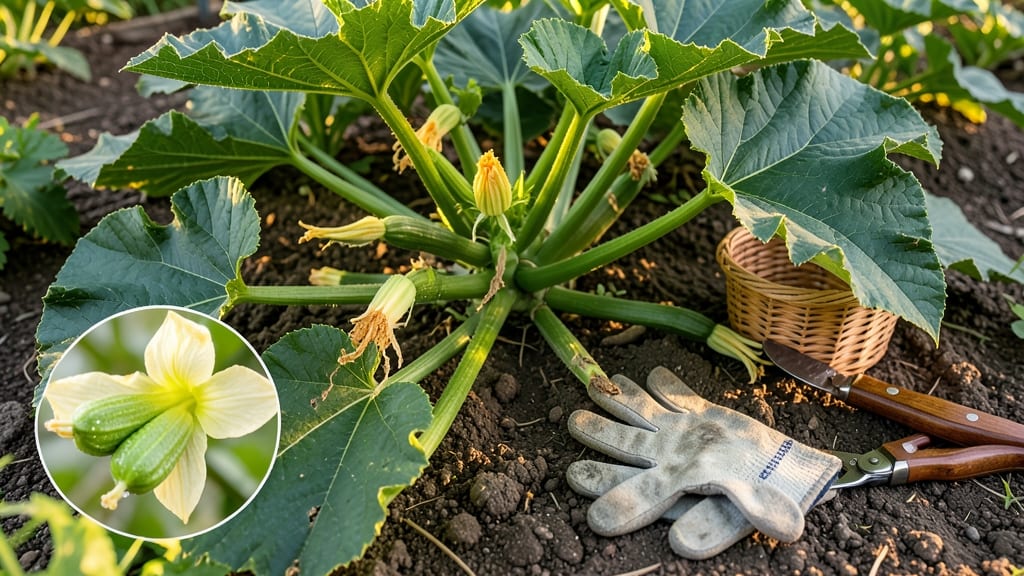
Picking zucchini flowers at the right time means capturing their peak flavor before they turn into fruit 🍆—and missing that window means bitter, tough blooms that ruin a dish.
Most gardeners assume "morning" is the only answer, but the truth is more nuanced: the best time depends on flower maturity, weather, and even the plant’s stage. Harvest too early, and you’re left with underdeveloped petals; too late, and you’ve got a tiny zucchini forming at the base.
Here’s how to tell when they’re ready—from checking petal size and color to spotting the telltale ovary swelling that signals it’s time to act. I’ll also share the quickest way to harvest them without damaging the plant, so you can keep the blooms (and the fruit) coming all season.
Whether you’re frying them up or stuffing them with cheese, timing is the key to edible blooms that taste like sunshine. Let’s get into the details.
Optimal harvest time for zucchini flowers before fruit development
Timing is everything when it comes to harvesting zucchini flowers at their peak. The best time to pick these delicate blooms is early morning, right after the dew has evaporated but before the sun intensifies.
This window—typically between 6 AM and 8 AM—ensures the flowers are fully hydrated and packed with the most flavor and tenderness. Morning harvests also prevent wilting, giving you the freshest petals for cooking or preserving.
If you miss the morning window, your next best option is late afternoon, but avoid harvesting in the evening or night. Flowers picked after sunset are more likely to wilt quickly, losing their crisp texture and vibrant color.
The temperature drop at night also causes moisture to condense, making the stems softer and more prone to damage. Always prioritize morning harvests for the best results.
Another critical factor is the age of the flower. You’ll want to pick blooms that are fully open but haven’t yet begun to wilt. This usually happens 1-2 days after they bloom.
If you wait too long, the ovary at the base of the flower will start to swell, signaling the beginning of fruit development. Once this happens, the flower’s flavor and texture degrade rapidly, and it’s no longer ideal for culinary use.
Visual cues are your best guide. Look for bright, fully unfurled petals that are vibrant in color—typically a rich yellow for male flowers or white/yellow for female flowers. The petals should feel firm and crisp to the touch, not limp or drooping.
If you notice any wilting or browning at the edges, it’s a sign the flower is past its prime and should be left on the plant.
The ovary at the base of the flower is another key indicator. For male flowers (which lack an ovary), you can harvest them as soon as they’re fully open. For female flowers, check the tiny zucchini-shaped ovary at the base.
If it’s smaller than a pencil eraser, the flower is still ideal for picking. If it’s larger or starting to swell, it’s time to let it develop into fruit.
Seasonal timing also plays a role in maximizing your harvest. In most USDA Zone 6a regions, zucchini plants begin producing flowers in late June to early July, with peak bloom continuing through August. During this window, you can expect 2-3 new flowers per day on a healthy plant.
To keep up with the harvest, aim to check your plants every 2-3 days, especially during hot weather when flowers mature quickly.
Pro tip: If you’re growing zucchini in containers or raised beds, flowers may mature slightly faster due to warmer soil temperatures. Monitor these plants even more closely, as the smaller root zone can accelerate the flowering process.
In these cases, morning harvests are even more critical to avoid missing the optimal window.
Once you’ve mastered the timing, you’ll notice a dramatic improvement in flavor and texture. Freshly picked zucchini flowers are delicate, slightly sweet, and packed with nutrients, making them a prized ingredient in dishes like fried zucchini blossoms or stuffed flower appetizers.
By harvesting at the right moment, you’re not just preserving flavor—you’re also encouraging your plant to produce more blooms and fruit for future harvests.
Remember, the key to success is consistency and observation. Spend a few minutes each morning inspecting your plants, and you’ll quickly learn to recognize the perfect moment to pick zucchini flowers. Your taste buds—and your zucchini plants—will thank you! 🌼
How to identify zucchini flowers ready for picking: key visual clues
Zucchini flowers reach their peak edibility when fully open but before the ovary swells into fruit. The color shift from pale to vibrant yellow (male) or white/yellow (female) is your first clue.
I’ve learned that waiting until the petals are fully spread ensures the best flavor—any earlier, and the petals taste bitter.
Check the flower’s center for a tiny, firm ovary. If it’s already swelling, the flower is past its prime. Male flowers (with long stems) are easier to spot—they’re always fully open and ready for picking.
Female flowers (with a tiny zucchini at the base) need careful timing to avoid fruit formation.
⚠️ callout-warning ⚠️
- Picking closed buds → Bitter, underdeveloped petals
- Ignoring ovary size → Missed harvest window
- Harvesting after noon → Flowers wilt faster in heat
Pro Tip: Use clean shears or pinch stems at the base to avoid damaging the plant.
The petal texture is another key indicator. Ready-to-pick flowers have crisp, dry petals that feel sturdy to the touch. If they’re limp or drooping, the flower is overripe or stressed. I always test this by gently touching the petals—if they spring back, they’re perfect for harvesting.
For morning harvests, focus on flowers that opened overnight. These are the freshest and most flavorful. In my garden, I’ve noticed that female flowers (with the tiny ovary) often open slightly later than male flowers, so check them in the late morning if you’re eager for a harvest.
One common mistake is overlooking the stem. A healthy stem should be green and firm, not mushy or brown. If the stem feels soft, the flower is past its prime. I’ve seen gardeners accidentally pick flowers with fungal spots—these should be discarded immediately to prevent spreading.
Finally, seasonal timing matters. Early in the season, flowers may appear smaller and less vibrant. As the plant matures, the blooms grow larger and more vibrantly colored. By mid-summer, my zucchini plants produce 2-3 flowers per day, making it easier to spot the perfect ones for picking.