
Blooming
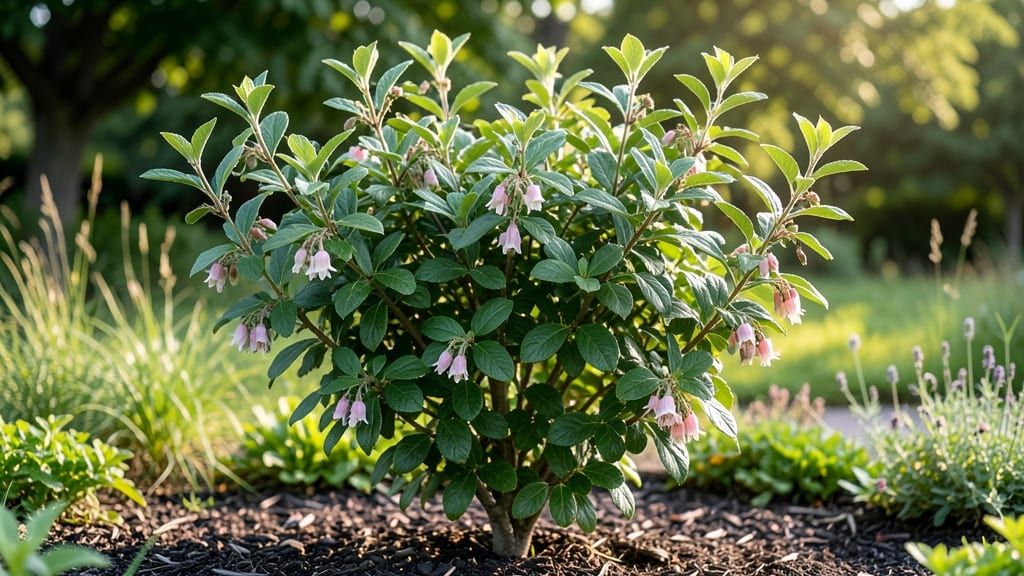
Blueberries flower in late winter to early spring 🫐, a window that shifts dramatically depending on your climate zone and the variety you grow.
Picture this: You’ve spent months preparing your soil, pruning your bushes, and dreaming of that first harvest—only to wake up to a surprise frost that wipes out your blooms before they can pollinate. That’s why knowing the exact timing for your blueberries is the key to a bountiful crop.
In Zone 6, where most gardeners live, flowering typically kicks off in March or April, but early bloomers might start as soon as February in warmer regions. Meanwhile, late-season varieties in colder zones could wait until May. The difference? Chilling hours, frost risks, and even the variety you’ve chosen.
Below, I’ll break down how to predict your blueberries’ bloom window, spot the first signs of flowers, and protect them from frost—so you can go from anxious gardener to confident pollinator.
Blueberry flowering timeline by USDA climate zones (with exact months)
Blueberries bloom at different times depending on your USDA climate zone and the specific variety you grow. In Zone 6, like my garden in upstate New York, blooms typically appear in late April to early May.
But if you're in Zone 9 or Zone 3, those windows shift dramatically. Understanding these patterns helps you prepare for frost risks or heat stress that can damage delicate flowers.
The key factors influencing bloom timing are chilling hours (cold winter hours needed to break dormancy) and last frost dates. Southern zones like Zone 10 may see blooms as early as February, while northern Zone 4 gardens might not flower until mid-May.
Even within the same zone, early-season varieties like 'Duke' bloom weeks before late-season types like 'Jersey'.
| USDA Zone | Typical Bloom Window | Chilling Hours Needed | Key Varieties | Frost Risk Period |
|---|---|---|---|---|
| Zone 3-4 | Mid-May to early June | 800-1,000 hours | 'Jersey', 'Patriot' | Late April to May 15 |
| Zone 5-6 | Late April to early May | 600-800 hours | 'Duke', 'Bluecrop' | Mid-April to May 10 |
| Zone 7-8 | March to early April | 400-600 hours | 'Premier', 'O'Neal' | February to March 20 |
| Zone 9-10 | February to March | 200-400 hours | 'Misty', 'Southern Highbush' | January to February 15 |
In my Zone 6 garden, I planted 'Bluecrop' (mid-season) alongside 'Duke' (early) to extend the harvest window. The early bloomer flowers in late April, while 'Bluecrop' waits until early May. This staggering strategy helps me avoid frost damage to all blooms at once.
If you're in Zone 9, where blooms appear in February, you'll need to monitor heat waves that can stress flowers before pollination.
For gardeners in Zone 3, where frosts linger until mid-May, I recommend choosing late-blooming varieties like 'Patriot'. These wait until after the last frost, reducing the risk of flower freeze.
In contrast, Zone 10 growers should select low-chill varieties like 'Misty' to avoid blooming too early in warm winters that fail to provide adequate chilling hours.
Regional microclimates also play a role. My neighbor in western Washington (Zone 8) sees blooms in March, while a gardener just 50 miles inland may experience 2-week delays due to colder temperatures.
Always check your local last frost date and adjust planting times accordingly. For example, in Zone 7, the Blue Ridge Mountains can be Zone 6—so bloom times shift noticeably.
If you're new to growing blueberries, start with one early and one late variety to test your local conditions. For instance, in Zone 5, pairing 'Duke' (early) with 'Bluecrop' (mid) gives you a 3-week harvest window.
Monitor your plants for bud swelling in late winter—a sure sign blooms are coming. In warmer zones, you might even see second flushes of flowers if summer rains provide enough moisture.
Protecting blooms from late frosts is critical. In Zone 6, I use row covers when nighttime temps drop below 28°F. For Zone 4 gardeners, consider circulation fans or smoke pots to raise temperatures slightly.
In Zone 9, shade cloth can prevent heat stress during 100°F+ days when flowers are most vulnerable. Always research your specific variety's chill requirements—some need 900 hours, while others thrive with just 300 hours.
Once you know your bloom window, plan your pollinator support. Blueberries rely on bees (especially native bumblebees) for pollination. In Zone 7, where blooms appear in March, I plant early-blooming perennials like heather nearby to attract pollinators.
If you're in a low-pollinator area, hand-pollinate with a soft brush to ensure fruit set. Timing is everything—missed pollination means fewer berries later in the season.
5 Key signs your blueberries are about to flower (and how to prepare)
If you’ve ever missed your blueberries’ critical flowering window, you know how quickly a frost or dry spell can turn potential berries into disappointment. The good news? Blueberries send clear signals before blooming—if you know what to watch for.
I’ve learned the hard way that ignoring these signs means risking a 50% yield loss from poor pollination.
Flowering typically begins when daytime temperatures consistently hit 50-55°F after a period of winter dormancy. But the real magic happens in the weeks leading up to bloom, when your bushes are preparing for pollination. Here’s how to spot those early warnings and get ready to protect your future harvest.
- Bud Swelling: Look for plump, green buds along last year’s wood—these are your first clue. In Zone 6, this usually appears in late February to March, but check your variety’s chilling requirements.
- Catkin Emergence: Tiny, yellowish flower clusters (catkins) will push through the buds. These are male flowers that release pollen for pollination—critical for fruit set.
- Temperature Spike: Blooms often trigger when night temps stay above 35°F and days hit 60°F+. Use a frost watch app to track risks in your area.
- Leaf Bud Activity: New leaves may unfurl just before flowers open. This is your plant’s way of saying, “Pollination prep mode activated!”
- Bee Activity Increase: Native bees and honeybees will start scouting your bushes 3-5 days before blooms open. Set up a water source nearby to attract them.
Once you spot these signs, act fast. Prune dead wood immediately to redirect energy to flowering branches—use sterilized shears to avoid disease spread. I always remove any last year’s fruit clusters too, as they drain resources.
Soil moisture is another game-changer. Blueberries need consistent dampness (but not soggy soil) during flowering. If your region is dry, mulch heavily with pine straw to retain moisture and adjust the soil pH to 4.5-5.5—this boosts root uptake of nutrients critical for pollination.
Protecting blooms from frost is non-negotiable. If your local forecast calls for below 32°F during bloom, cover bushes with frost cloth at dusk. I’ve saved entire harvests by doing this—trust me, it’s worth the effort.
And if you’re in a windy area, stake young plants to prevent flower damage.
Finally, avoid fertilizing once flowers appear. Too much nitrogen now can delay fruiting. Instead, switch to a low-nitrogen, high-phosphorus formula to support flower and fruit development. With these prep steps, you’ll maximize pollination success and set your bushes up for a record-breaking harvest.