
Flowers
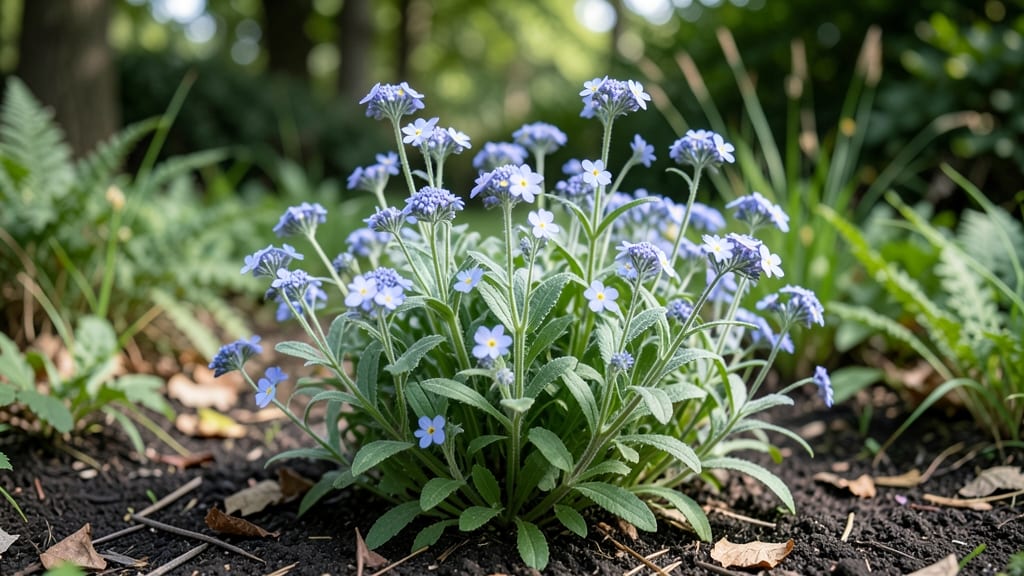
Forget-me-not flowers bloom in late spring to early summer 💙, turning gardens into a sea of delicate blue with the right timing and care.
If you’ve ever dreamed of a garden bursting with delicate blue forget-me-not blooms, timing is everything—plant too early or late, and you might miss their fleeting spring magic entirely.
In USDA Zone 6a (like much of the Midwest), these cheerful blooms typically appear from mid-May to early June, but cooler climates can push them back by a few weeks.
Below, I’ll break down the exact bloom windows for your zone, plus pro tips to extend their season so you can enjoy them longer—no more wondering if you planted at the right time!
Forget-me-not bloom times by USDA hardiness zones: exact months for peak color
Timing your forget-me-not blooms depends entirely on your USDA hardiness zone—these delicate blue beauties thrive in cool spring weather but bolt in summer heat. In Zone 3, expect their earliest show, while Zone 10 gardeners might see a delayed spring display.
Understanding these regional bloom windows ensures you don't miss their 4-6 week flowering window that defines early spring gardens.
Forget-me-nots (Myosotis) are cool-season annuals or short-lived perennials, making their bloom timing highly sensitive to frost dates. In northern climates, they often bloom alongside violets and lungwort, while southern gardeners may see them linger into early summer.
Let's break down the exact bloom months by zone, including Pacific Northwest vs. Southern states variations.
📌 Pro Tip: Use your average last frost date as your planting guide—sow seeds 6-8 weeks before your zone's frost date to catch the peak bloom window. In Zone 5, that means mid-March sowing for April-May blooms, while Zone 8 gardeners should plant in February for March-April color.
In Zone 3, where winters are harsh, forget-me-nots often bloom 3-4 weeks later than their Zone 10 counterparts. The Pacific Northwest sees blooms 3 weeks earlier than the Upper Midwest due to milder winters and cooler spring temperatures.
For example, Seattle gardeners (Zone 8) might see blooms in late February, while Chicago gardeners (Zone 5) wait until mid-April.
Southern states like Georgia and Florida (Zones 7-10) experience the earliest blooms, sometimes as early as February. However, heat-sensitive varieties may bolt prematurely if temperatures exceed 75°F.
To combat this, plant in partial shade or choose heat-tolerant varieties like Myosotis sylvatica 'Blue Ball', which handles Zone 9 heat better than standard types.
Microclimates play a crucial role in forget-me-not bloom timing. A south-facing slope in Zone 6 might see blooms 2 weeks earlier than a north-facing garden bed. Similarly, urban heat islands can delay blooms by 1-2 weeks.
To adjust, plant near reflective surfaces (like light-colored walls) or use shade cloth in hot microclimates to prolong the bloom window.
If you're in Zone 4 or colder, consider starting seeds indoors 8-10 weeks before your last frost date. This extends the bloom season by 2-3 weeks compared to direct sowing.
For Zone 5-7 gardeners, a light frost (28°F) won't harm established plants, but severe freezes (20°F) may kill them. Use row covers to protect early blooms if late frosts threaten.
Forget-me-nots in containers bloom 1-2 weeks later than in-ground plants due to faster soil warming. To sync container blooms with in-ground plants, bury pots slightly or place them in shaded areas until soil temperatures reach 50°F. This microclimate hack ensures your container forget-me-nots bloom alongside garden beds.
Plan your spring garden layout around these bloom times! Pair forget-me-nots with early bloomers like
How to extend forget-me-not blooming season: pruning, deadheading, and soil tips
Forget-me-nots (Myosotis) are famous for their short but vibrant blooming season, but with the right care, you can stretch those delicate blue blooms for weeks longer. The secret lies in three key techniques: strategic pruning, consistent deadheading, and soil enrichment.
These methods encourage your plants to focus energy on producing more flowers instead of seed pods.
Most forget-me-nots bloom from late spring to early summer, but their natural cycle ends quickly once they set seed. By implementing these simple gardening hacks, you can transform a fleeting burst of color into a prolonged display that brightens your garden well into summer.
Let’s dive into the exact steps to make this happen.
5 Proven Ways to Extend Forget-Me-Not Blooms
- 1. Deadhead weekly – Remove spent blooms every 3-4 days to prevent seed formation and redirect energy to new flowers. Use clean pruning shears for precision cuts just above the next set of leaves.
- 2. Prune lightly after blooming – Trim back 1/3 of the plant in early summer to encourage a second flush of blooms. Focus on leggy stems to maintain a compact, bushy shape.
- 3. Feed with phosphorus – Use a 5-10-10 fertilizer every 4-6 weeks during the growing season to boost flower production. Phosphorus (the middle number) is key for blooming.
- 4. Mulch with compost – Apply a 2-inch layer of compost around the base to retain moisture and provide slow-release nutrients. This supports continuous blooming without stressing the plant.
- 5. Plant with companions – Pair forget-me-nots with low-growing perennials like creeping thyme or ajuga to reduce competition for water and nutrients, keeping them healthier longer.
One of the most common mistakes gardeners make is skipping deadheading, which causes the plant to redirect energy toward seed production instead of new blooms. I’ve seen forget-me-nots in my own garden double their blooming time simply by snipping off faded flowers every few days.
The key is consistency—don’t let more than a few blooms go to seed before you act.
Forget-me-nots thrive in well-draining soil with a slightly acidic to neutral pH (6.0-7.0). If your soil is heavy clay or sandy, amend it with compost or peat moss before planting. This improves moisture retention and nutrient availability, both of which are critical for prolonged blooming.
A quick soil test can reveal if your garden needs adjustments—most garden centers offer affordable test kits.
Another pro tip: Water deeply in the morning to keep the soil consistently moist but not waterlogged. Forget-me-nots are drought-tolerant once established, but they’ll reward you with longer blooming seasons if you maintain even moisture during their active growth phases.
Pair this with a light mulch layer to lock in moisture and keep roots cool.
With these techniques, you can enjoy forget-me-nots blooming from late spring well into summer, creating a stunning cascade of color that feels like a gift from nature. Try them in your garden this year—your future self will thank you for the extra weeks of blue beauty! 🌸