
Blooming
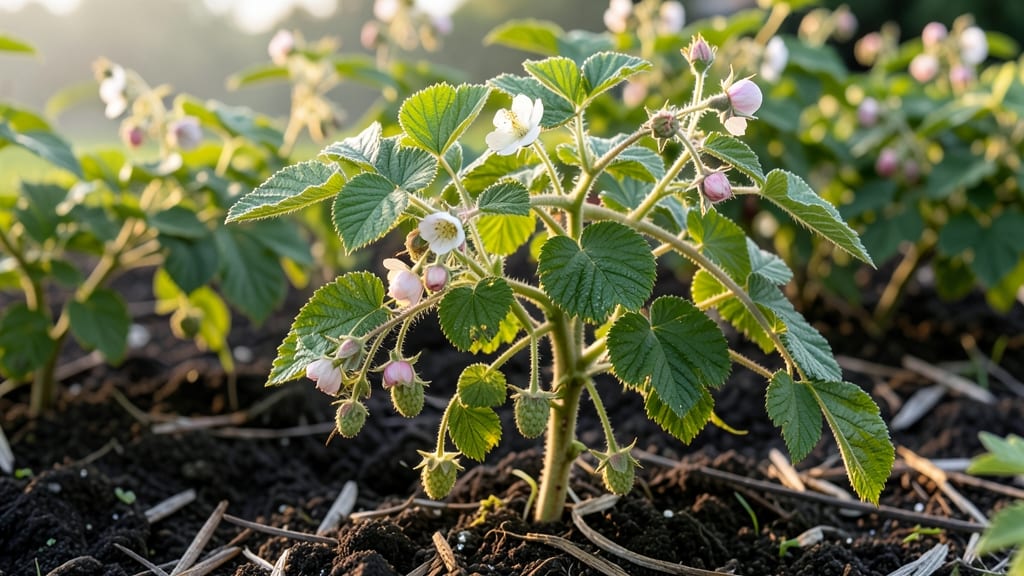
Raspberries flower in late spring to early summer 🍇, but the exact timing depends on your variety and local climate—get it wrong, and you might miss the sweetest harvest of the season.
Picture this: you’ve spent months nurturing your raspberry patch, only to wake up one morning and realize the blooms are already fading. That’s the frustration of guessing bloom times instead of knowing them.
The good news? With a few simple adjustments, you can align your care routine with nature’s schedule for a bountiful yield.
Summer-bearing varieties typically flower in June or July, while fall-bearing types bloom a little later, around July or August. But your USDA zone, chilling hours, and even last year’s pruning can shift that window by weeks.
Understanding these factors is the key to timing everything right—from watering to pest control—so your berries reach peak ripeness when they should.
In this guide, I’ll break down the exact bloom periods by variety, how climate zones affect timing, and the five critical factors that can advance or delay those delicate flowers.
By the end, you’ll know exactly when to watch for those first blossoms—and how to protect them for the harvest ahead.
Raspberry flowering timeline by variety: summer-bearing vs fall-bearing types
Understanding when your raspberries flower is the first step to maximizing your harvest. The timing varies dramatically between summer-bearing and fall-bearing varieties, with each producing fruit on different canes.
Summer-bearing types bloom once in late spring, while fall-bearing varieties have a second flush in late summer. This distinction affects everything from pruning to yield expectations.
Most gardeners plant both types to extend their harvest season, but mixing them requires careful planning. Summer-bearing raspberries produce fruit on second-year canes (floricanes), while fall-bearing varieties fruit on both first-year and second-year canes.
This fundamental difference changes how you manage your patch every year. Let's break down the exact flowering windows for each type so you can time your care perfectly.
Summer-bearing raspberries like Boyne or Heritage deliver their single annual harvest in mid to late summer. Their flowers appear in late May to June, and if pollinated successfully, you'll see fruit forming within 6-8 weeks.
The key here is that these canes must survive winter to produce fruit the following year, so protecting them from winter damage is critical.
Fall-bearing varieties such as Heritage Gold or Caroline offer a double harvest—first from last year's canes in early summer, then again from new canes in late summer/fall.
Their second bloom occurs in July-August, which means you can enjoy raspberries from June through September with just one patch. This makes them ideal for gardeners who want extended fresh fruit.
The canes themselves tell the story of when to expect blooms. Summer-bearing varieties produce primocanes (new growth) in their first year, which become floricanes (flowering canes) the following spring. Fall-bearing types fruit on both primocanes and floricanes, creating that double harvest.
This means you'll see flowers on new green canes in summer for fall-bearing types, while summer-bearing varieties only flower on older brown canes.
If you're new to raspberry growing, the first-year challenge can be confusing. Summer-bearing plants won't produce fruit until their second spring, while fall-bearing varieties may give you a small crop from primocanes in their first fall season.
This is why many gardeners plant both types—they get immediate gratification from fall-bearing varieties while building up summer-bearing plants for future harvests.
Monitoring your raspberries' growth stages is easier than you think. Simply look for tiny white or pink flower buds forming along the canes. For summer-bearing types, these appear in late May in most climates, while fall-bearing varieties show their second flush of buds in mid-July.
Once you spot these buds, count backward 6-8 weeks to prepare for harvest. This timing helps you plan when to reduce watering slightly (to improve flavor) and when to install bird netting if needed.
One common mistake is assuming all raspberries flower at the same time. Climate zone plays a huge role—northern gardeners may see blooms 2-3 weeks later than those in southern regions.
For example, in USDA Zone 5, summer-bearing varieties might not flower until early June, while in Zone 8, blooms could appear as early as late May. Always adjust your expectations based on your local last frost date.
For maximum yield, time your spring pruning right after the final frost but before new growth begins. Summer-bearing varieties should have their old floricanes removed (they won't produce again), while fall-bearing types only need light cleanup of dead canes.
This timing ensures you don't accidentally prune off next year's fruit-producing canes. A quick visual check—green canes = keep, brown canes = remove—makes this task simple.
Pro tip: Mark your calendar when you first see flowers appearing. This becomes your harvest prediction date—add 60-70 days for summer-bearing types or 50-60 days for fall-bearing varieties. You'll never miss peak ripeness again! 🍇
How climate zones affect raspberry flowering: USDA Zone guide
Your USDA climate zone determines when raspberries flower—and whether they survive to produce fruit. In Zone 3 (like Minnesota or North Dakota), blooms may appear as early as late May but face frost risks until June.
Meanwhile, in Zone 10 (Florida or Southern California), flowering can stretch from March to August with minimal frost concerns. These differences aren’t just about timing; they dictate how much chilling hours your plants need to break dormancy and trigger blooms.
Most raspberries require 200-1,000 chilling hours (temperatures between 32-45°F) to flower properly. If you’re in Zone 7 or warmer, varieties like Boyne Gold thrive with 500-600 hours, while Zone 4-5 gardeners often grow Heritage or Nova, which tolerate 800+ hours.
Without enough chill, buds may fail to open, leaving you with bare canes and no harvest.
In Zones 3-5, late frosts can devastate early blooms. I’ve seen June frosts in Zone 4 wipe out entire crops overnight. To protect your plants, choose late-blooming varieties like Nova or use frost cloth when nighttime temps drop below 28°F.
In Zones 7-10, the opposite challenge arises: heat stress can cause buds to drop if daytime temps exceed 90°F during flowering. Shade cloth or afternoon watering can help maintain optimal bloom conditions.
Another critical factor is soil temperature. Raspberries need soil to warm to 50°F before flowering. In Zone 6, this might happen by mid-April, while in Zone 9, it could be as late as February.
Use a soil thermometer to monitor—if temps stay below 50°F for weeks, blooms will delay. Amending soil with compost also helps regulate temperature and moisture, which are key for consistent flowering.
For fall-bearing varieties in warmer zones, flowering can occur twice a year: once in spring (producing summer fruit) and again in late summer (yielding fall berries). In Zone 8-10, this means you might see blooms in March and July.
To maximize yields, focus on pruning old canes after the first harvest and fertilizing lightly in early summer to encourage the second flush of flowers.
Pro tip: If you’re in a transition zone (like Zone 6b-7aeverbearing varieties like Caroline. These adapt better to variable chill hours and produce fruit in both seasons. Just be prepared for smaller berries compared to summer-bearing types—trade-offs are part of the game! 🌱