
Flowers
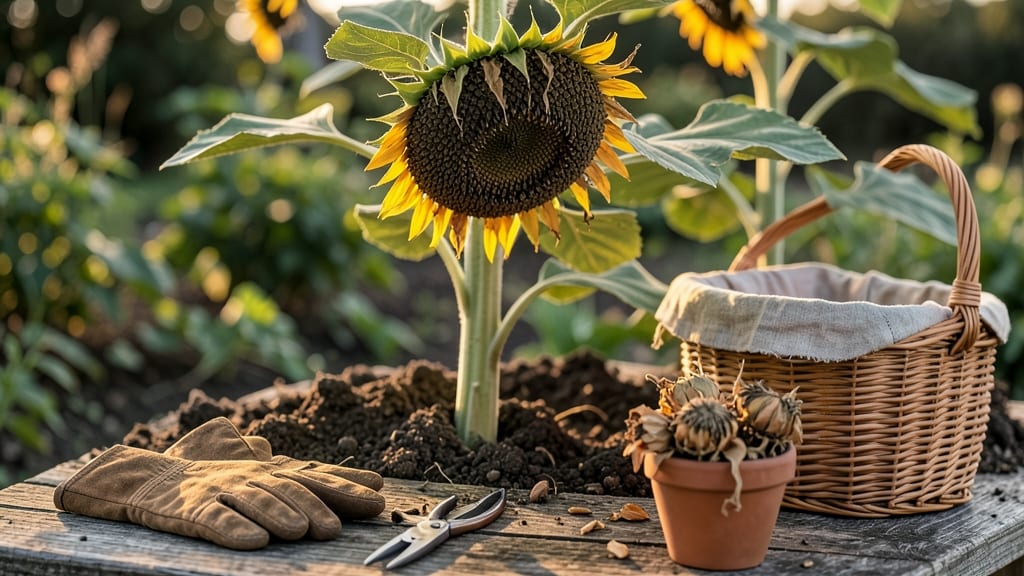
Sunflowers produce seeds about 75 to 120 days after planting, depending on the variety and growing conditions — but timing your harvest wrong can mean bitter, shriveled seeds instead of the nutty, flavorful ones you want.
Picture this: you’ve nurtured your 🌻 from a tiny sprout to a towering giant, only to wonder, "Are these seeds ready?" The answer lies in watching for the back of the head to turn from green to golden-brown while the petals drop naturally.
Miss this window, and you’ll either pull seeds too early (underdeveloped) or too late (scattered by birds).
Climate plays a huge role — in Zone 6a, where frost arrives by October, early-maturing varieties (like ‘Teddy Bear’) may produce seeds as soon as July, while giant types (like ‘Mammoth’) could stretch into September.
Below, I’ll break down the exact stages to watch for, plus pro tips to maximize your harvest.
You’ll learn how to test seed readiness with a simple shake, when to cut the heads for drying, and how to store your seeds so they stay viable for planting next spring — no guesswork, just a foolproof method for gardeners at every level.
Sunflower seed production timeline: key maturity stages by variety
Understanding when sunflowers produce seeds depends entirely on the variety you grow and your local climate. While most sunflowers follow a similar growth pattern, giant varieties like 'Mammoth' take 90-120 days to reach seed maturity, while dwarf varieties like 'Teddy Bear' mature in just 50-60 days.
These timelines directly impact your harvest planning, especially if you're growing multiple varieties in the same season.
The seed production process begins with bud formation, where the flower head emerges from the stem. This stage typically occurs 4-6 weeks after germination, but cooler climates may delay this by 1-2 weeks.
During this time, providing consistent 6-8 hours of full sun ensures healthy bud development. In my Zone 6a garden, I've noticed buds appear earliest in late June for early varieties planted in May.
After budding comes the flowering stage, where the sunflower's iconic petals unfurl to face the sun. This phase lasts 7-10 days and signals the beginning of seed development inside the head.
The back of the head (the disc florets) begins converting sunlight into energy for seed production. This is when I start monitoring for color changes that indicate seed maturation progress.
| Variety Type | Days to Seed Maturity | Bud Stage | Flowering Stage | Seed Ripening |
|---|---|---|---|---|
| Giant (e.g., 'Mammoth') | 90-120 days | 42-56 days | 7-10 days | 35-50 days |
| Semi-Dwarf (e.g., 'Pro Cut') | 75-90 days | 35-42 days | 7-10 days | 30-40 days |
| Dwarf (e.g., 'Teddy Bear') | 50-60 days | 28-35 days | 5-7 days | 15-20 days |
| Oil-Type (e.g., 'NuSun') | 80-100 days | 35-45 days | 7-10 days | 35-45 days |
The seed ripening stage is where most gardeners focus their attention, as this determines when you can harvest viable seeds. For most varieties, this begins 30-50 days after flowering, but cooler climates can extend this period.
I've learned to watch for three key indicators: the back of the head turning yellow-brown, petals dropping naturally, and the head feeling light when shaken. In my experience, oil-type sunflowers like 'NuSun' take slightly longer to ripen than ornamental varieties.
Climate plays a crucial role in seed production timing. In warmer southern regions (Zones 8-10), sunflowers may complete their lifecycle 2-3 weeks faster than in cooler northern zones.
For example, my Zone 6a garden typically sees seed maturity in late August for early varieties, while the same varieties in Zone 9 might be ready by mid-July. If you're in a shorter growing season, consider planting early-maturing dwarf varieties to ensure seed production before frost.
One common mistake I see is harvesting seeds too early or too late. Seeds harvested when the head is still green or partially brown won't store well and may not germinate properly. Conversely, leaving seeds too long on the plant can lead to bird predation or seed loss.
The ideal time is when the back of the head is fully brown and papery, and the seeds rattle when the head is shaken gently. This usually occurs 1-2 weeks after the petals fall off.
For giant sunflower varieties, the seed production process can take nearly 4 months from planting to harvest. This longer timeline means you'll need to plan accordingly, especially if you're growing them as annuals.
In my garden, I've found that successive planting of dwarf varieties every 2-3 weeks extends the seed harvest season from early summer through early fall. This staggered approach ensures a continuous supply of fresh seeds for planting or snacking.
If you're growing sunflowers for seed production rather than just flowers, pay special attention to the back-of-head ripening stage. This is when the disc florets (the small flowers in the center) mature into seeds.
The outer petals may drop off first, but the seed development continues inside. I recommend harvesting seeds when at least
How to identify perfectly ripe sunflower heads for seed harvesting
Harvesting sunflower seeds at the right time is all about watching for three key visual cues: the back of the head turning golden-brown, petals dropping naturally, and a papery texture when touched.
These signs tell you the seeds inside are mature and ready for collection. Ignore them, and you risk gathering seeds that are either too green (bitter) or too dry (shriveled).
Start by examining the back of the seed head. When it transitions from green to a rich, golden-brown color, that’s your first signal. Next, give the head a gentle shake—if seeds rattle inside, they’re nearing readiness.
Finally, the petals should fall off on their own, leaving the seed head exposed. These steps ensure you’re harvesting at peak flavor and viability.
🌻
✅ Do This for Perfectly Ripe Sunflower Heads
Golden-brown (not green or black).
Seeds should rattle inside.
No forced pulling—wait for natural fall.
❌ Avoid These Mistakes
Seeds won’t be fully developed.
Birds and squirrels will steal them.
Leaves need time to dry seeds properly.
Once you’ve confirmed the head is ripe, cut the stem 3-4 inches below the base of the head using clean pruners. This leaves enough stem to hang the head upside down for drying.
Place it in a dry, well-ventilated area (like a garage or barn) where it can cure for 1-2 weeks. Avoid direct sunlight, as it can cause the seeds to overheat.
After drying, gently rub the seed head between your hands to release the seeds. Store them in a paper bag or airtight container in a cool, dark place. Properly stored seeds stay viable for up to 3 years, making them perfect for next year’s garden or snacking.
Just remember: the sooner you harvest after petals drop, the fresher your seeds will be.
🌾
If you’re growing sunflowers in Zone 6a, time your harvest carefully—early varieties like ‘Teddy Bear’ may be ready by late July, while giants like ‘Mammoth’ could stretch into September.
Always monitor your plants daily, especially as they near maturity, to catch that perfect window. With these tips, you’ll never miss the ideal moment to harvest again!