
Blooming
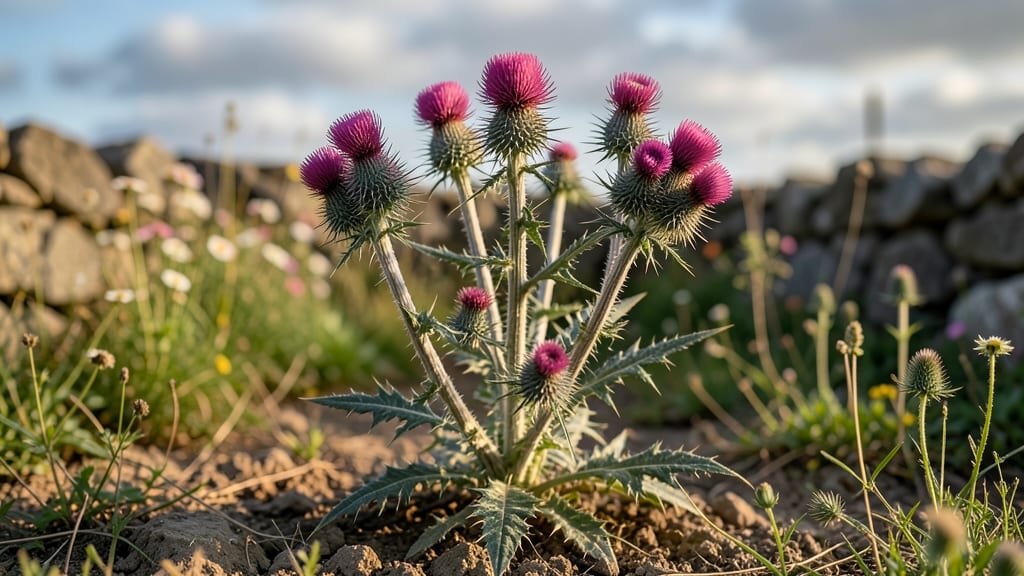
Thistles flower in late spring to early fall 🌿, depending on the species and where you live—so timing matters if you’re trying to control them before they spread.
Picture this: one morning, your garden looks pristine, and by afternoon, those spiky purple blooms have appeared like an overnight invasion. That’s how fast thistles can take over, which is why knowing their bloom cycle is the key to staying ahead.
In USDA Zone 6a, most common thistles like bull thistles and Scotch thistles burst into bloom between June and August, though cooler climates may see them linger into early September. Meanwhile, musk thistles often flower a bit later, stretching into October.
Below, I break down the exact months for each type, how climate shifts your timeline, and the one trick to stop them before they seed—so you can enjoy your garden without the medieval vibes.
Exact flowering months for common thistle varieties
Thistles might look like unwelcome invaders, but knowing their flowering schedule helps you control them before they spread. Most varieties bloom once per year, but some produce secondary flowers if conditions are right.
Let’s break down the exact months for the most common types, including regional variations across the U.S. and Europe.
Timing matters because thistles release thousands of seeds during bloom—removing them before flowering prevents next year’s infestation. For example, bull thistles (Cirsium vulgare) and Scotch thistles (Onopordum acanthium) have distinct peaks, while musk thistles (Carduus nutans) often bloom later in the season.
Here’s a detailed comparison of flowering windows, including primary bloom periods and secondary cycles where applicable:
Notice how Scotch thistles and plumed thistles often have secondary blooms in late summer or early fall. This is especially common in cooler climates like the Pacific Northwest or northern Europe, where mild temperatures extend the growing season.
In warmer zones (Zones 9–11), thistles may bloom as early as May or stretch into November. For example, in Southern California, bull thistles often start flowering in late May instead of June. Coastal areas also see earlier blooms due to milder winters and longer growing seasons.
If you’re in Zone 5 or colder, expect delays—thistles may not bloom until July or August due to late spring frosts. In these regions, musk thistles are the last to flower, often waiting until September or even October.
Pro tip: Monitor leaf color for early signs of flowering. Thistle leaves turn darker green and thicker as buds form. Once you spot purple or pink buds, act fast—these plants can produce 50,000+ seeds per stem!
For organic control, focus on removing thistles before buds appear. Use a dandelion digger or gloves to pull them by the root, especially in June and July when most varieties are pre-bloom.
In Europe, where thistles are more widespread, gardeners often mow fields in May to cut off early growth.
Understanding these flowering windows lets you outsmart thistles before they take over. Whether you’re in Zone 3 or Zone 10, timing is everything—especially when those
How climate zones affect thistle flowering times
Thistles are opportunistic bloomers, and their flowering times shift dramatically based on your USDA climate zone. In Zone 9, bull thistles often burst into bloom as early as February, while in Zone 5, you might not see flowers until June or July.
This variance isn’t random—it’s tied to temperature triggers, daylight hours, and even soil moisture levels.
The heat stress in southern zones like Zone 9 forces thistles to flower earlier to complete their life cycle before summer droughts set in. Meanwhile, northern zones like Zone 5 experience delayed blooms due to cooler springs and shorter growing seasons.
Understanding these patterns helps you time removal efforts before seed production begins.
Here’s how climate zones and microclimates (coastal vs. inland) influence thistle flowering:
Coastal areas often experience delayed flowering due to cooler ocean breezes and higher humidity, while inland regions see earlier blooms from warmer, drier conditions. For example, in Zone 7, coastal thistles might not flower until late May, whereas inland patches could bloom in early May.
This microclimate effect is critical for targeted removal strategies.
Drought conditions can also trigger early flowering as a survival mechanism. When soil moisture drops below 30% capacity, thistles may bolt prematurely to produce seeds before resources are exhausted.
In Zone 9, this often happens by late spring, while in Zone 5, drought-induced blooms might appear in early August.
Monitoring these patterns helps you predict and prevent thistle spread. If you notice stem swelling or leaf color shifts earlier than expected, act quickly—these are signs of imminent flowering. In Zone 9, start scouting in January, while Zone 5 gardeners should watch for signs in May.
Pro tip: Use mulch or vinegar sprays on young thistles to disrupt their growth cycle. Timing is everything—remove them before flowering to stop seed production entirely. 🌿