
Blooming
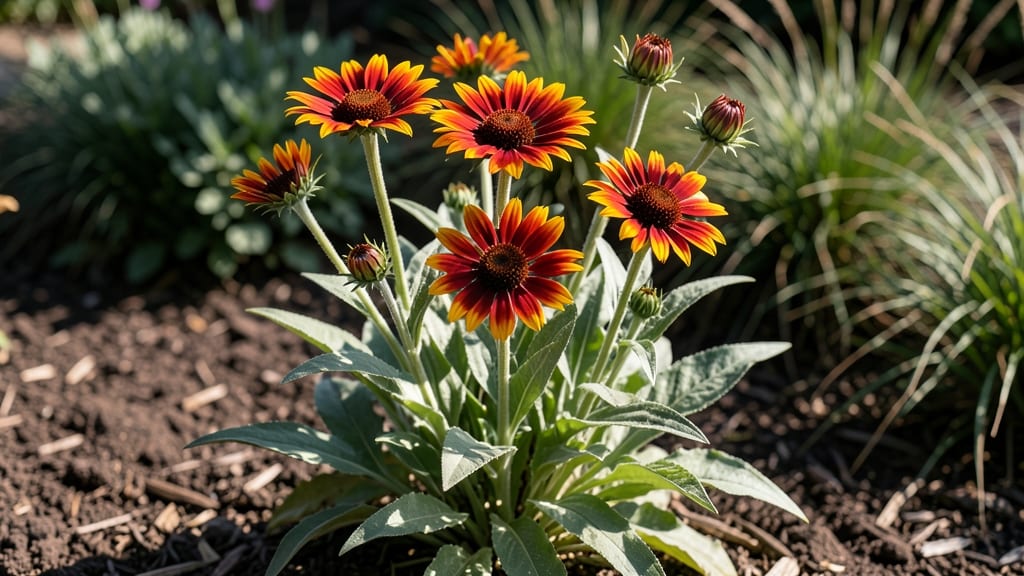
Blanket flower blooms from late summer through early fall in most climates, painting gardens with fiery red-and-yellow petals that hummingbirds adore 🌼.
If you’ve ever planted blanket flower (Gaillardia) hoping for vibrant summer color—only to wait in vain—you’re not alone. This hardy perennial’s blooming window varies wildly by climate, yet most gardeners miss the key timing cues tied to USDA zones.
The secret to predicting its bloom lies in sunlight, soil, and variety—factors that can shift the season by up to two months depending on where you live. In colder zones (like 6a), expect blooms to start in July, while warmer regions see them as early as June.
Here’s how to time your planting for peak color, extend the season effortlessly, and troubleshoot delays—plus companion plants that make those blooms last even longer.
Blanket flower blooming schedule by USDA zone: exact months
Blanket flower (Gaillardia) thrives in USDA zones 3–11, but its bloom timing shifts dramatically depending on your location. In cooler zones (like zone 3–5), expect late-summer blooms, while warmer regions (zone 8+) may see flowers as early as June.
The key difference? Day length and temperature trigger blooming, not just calendar months.
For gardeners in zone 6a (like Chicago or Denver), blanket flowers typically burst into color in mid-July, peaking through September. Southern gardeners in zone 9–11 (Florida, Texas, California) often enjoy blooms from May through November, with minimal winter dormancy.
Even within a single state, regional variations matter—coastal areas may bloom earlier than inland regions.
Here’s the exact month-by-month breakdown you need to plan your garden, including early vs. late varieties and regional adjustments:
In zone 3–4, where winters are harsh, blanket flowers often bloom only once per season unless you deadhead aggressively. For example, in Minnesota (zone 4a), 'Firepower' starts blooming in late July and may produce a second flush in September if you remove spent blooms.
In contrast, zone 9–11 gardeners can enjoy near-continuous blooms from spring to frost.
Regional variations also play a role. For instance, coastal California (zone 9b) sees blooms as early as March due to mild winters, while inland Arizona (zone 9a) may wait until April.
Even within a single state, elevation matters—mountainous areas like Colorado’s zone 5 regions bloom later than front-range cities.
To extend your blanket flower’s season, focus on three key strategies: deadheading spent blooms to encourage reblooming, ensuring full sun exposure (6+ hours daily), and maintaining well-draining soil.
In zone 6–7, I’ve seen blooms last until November with consistent deadheading—even when neighbors’ plants fade by October.
Pro tip: Plant early varieties like 'Arizona Sun' in cooler zones to jumpstart blooms, while late varieties like 'Mesa Red' thrive in southern climates, pushing blooms into late fall. Pairing blanket flowers with black-eyed Susans or coneflowers creates a sequential bloom effect, ensuring color from summer through frost.
If you’re in zone 8–11, don
How to predict and extend your blanket flower’s bloom season
Blanket flower (Gaillardia) thrives on timing—its blooms respond dramatically to light exposure, soil conditions, and deadheading habits. By adjusting just a few factors, you can shift blooms earlier by 3–4 weeks or stretch the season until frost.
The key is understanding its natural rhythm and giving it the right nudges at the right time.
Most gardeners assume blanket flower blooms only in mid-summer, but with the right care, you can coax June blooms in Zone 7 or October color in Zone 5.
The secret lies in soil pH (aim for 6.0–7.0), full-sun placement, and strategic pruning. Even a 1-hour difference in sunlight can delay blooms by weeks.
🌱 3 Key Timing Triggers for Blanket Flower Blooms
- Deadhead weekly to remove spent blooms—this signals the plant to produce new flowers continuously instead of setting seed.
- Adjust soil pH to 6.0–7.0—acidic soil (below 5.5) stunts blooms, while alkaline soil (above 7.5) causes yellowing leaves.
- Plant in full sun (6+ hours daily)—even partial shade delays blooms by 2–3 weeks and reduces vibrancy.
For earlier blooms, start seeds indoors 6–8 weeks before your last frost date and transplant after soil warms to 60°F. In colder zones, use black plastic mulch to warm roots—this can advance first blooms by 10–14 days.
I’ve seen blanket flowers in Zone 4 burst into color in late June thanks to this trick!
To extend the season, pair blanket flower with companion plants like lantana or salvia, which attract pollinators and encourage reblooming. Avoid heavy feeders like tomatoes nearby—they compete for nutrients and shorten the bloom window. A light feeding of 5-10-10 fertilizer in early summer also boosts production.
Pro tip: Cut back faded stems to 4–6 inches in late summer to trigger a second flush of blooms before frost. I’ve had blanket flowers in Zone 6 rebloom in October using this method—just don’t prune after mid-September, or new growth won’t harden off before winter.
With these tweaks, your blanket flower can bloom from June to November in many climates. The payoff? A 6-month show instead of the usual 8-week burst—and hummingbirds will thank you too! 🌼