
Flowers
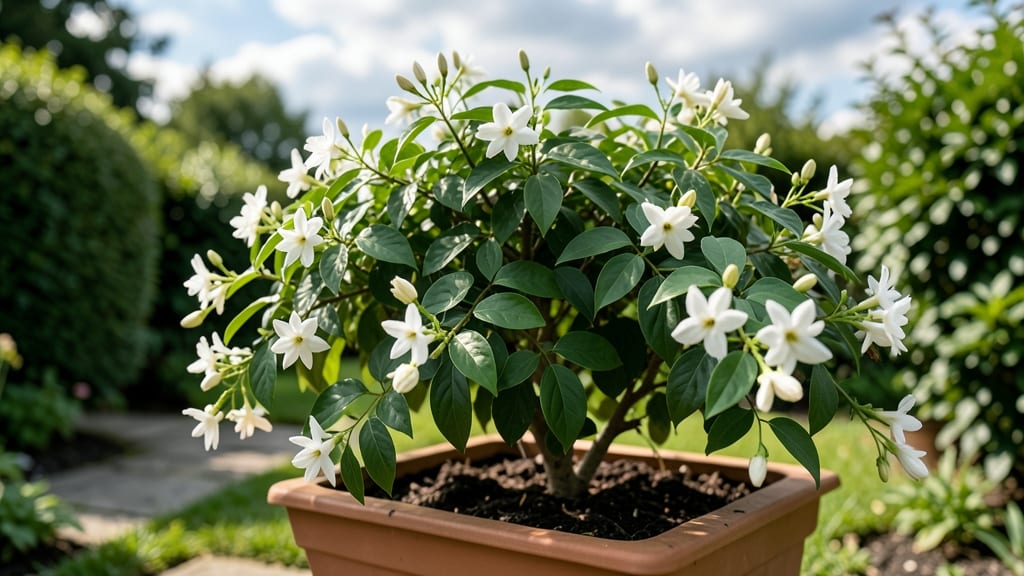
Jasmine flowers bloom in late spring through summer 🌸, but the exact timing depends on your climate zone and the variety you’ve planted.
If you’ve ever wondered why your jasmine plant suddenly fills your garden with intoxicating fragrance—only to vanish just as quickly—timing is everything. Understanding when jasmine flowers bloom depends entirely on your climate zone, and getting it right means enjoying months of fragrant blooms instead of fleeting surprises.
Most varieties, like the classic Arabian jasmine, burst into bloom from May through July, while winter jasmine (Jasminum nudiflorum) defies the norm with its late fall to early spring show.
In warmer zones like Southern California, blooming can stretch from March to October, while cooler areas might see a shorter, more intense display in late spring.
Below, I’ll break down the month-by-month blooming schedule by USDA zone, share how to coax earlier or longer flowers, and reveal the three most common mistakes that keep jasmine from blooming at all. Let’s get your plant smelling like a tropical paradise for months, not weeks.
Jasmine flowering calendar by USDA climate zones: month-by-month blooming schedule
Jasmine flowers are famous for their intoxicating fragrance, but their blooming schedule varies dramatically depending on your USDA climate zone.
If you live in Southern California (Zone 10), your Arabian jasmine might bloom year-round, while in Florida (Zone 11), Sambac jasmine could burst into flowers twice annually. Understanding these patterns helps you plan for peak fragrance periods and even extend blooming with simple adjustments.
Most jasmine varieties thrive in zones 7-11, where warm winters and long growing seasons create ideal conditions. However, even within these zones, regional microclimates—like coastal humidity in San Diego versus inland heat in Arizona—can shift blooming windows by weeks.
For example, Grand Duke jasmine in Zone 8 Atlanta might bloom later than the same plant in Zone 9 Miami.
Below is a month-by-month breakdown for three popular jasmine types, tailored to your zone. Use this as your gardening roadmap to anticipate fragrance-filled evenings and adjust care routines accordingly.
| Jasmine Variety | USDA Zones 7-8 | USDA Zones 9-10 | USDA Zone 11 | Regional Notes |
|---|---|---|---|---|
| Arabian Jasmine | May–July (Peak: June) |
March–May, Sept–Nov (Peak: April) |
Year-round (Peak: Winter) |
Coastal areas (e.g., San Diego) bloom earlier than inland zones. |
| Sambac Jasmine | June–August (Peak: July) |
April–June, Sept–Nov (Peak: May) |
Jan–March, July–Sept (Peak: February) |
Florida’s humidity triggers earlier spring blooms; prune after winter blooms for summer rebloom. |
| Grand Duke Jasmine | June–August (Peak: July) |
May–July, Sept–Oct (Peak: June) |
April–June, Sept–Nov (Peak: May) |
Arizona’s heat can delay summer blooms; provide afternoon shade. |
| Winter Jasmine | Feb–March (Peak: February) |
Jan–Feb (Peak: January) |
Dec–Jan (Peak: December) |
Cold snaps in Zone 9 can stunt blooms; mulch heavily in fall. |
🌸 Note: Coastal areas (e.g., Southern California) often bloom 2-4 weeks earlier than inland regions due to milder winters.
In USDA Zones 7-8, like Atlanta or Dallas, jasmine typically blooms in late spring through summer, with Arabian jasmine leading the charge in June.
The heat and humidity of these zones can cause blooms to fade quickly, so regular pruning after flowering encourages a second flush in early fall.
For example, if you live in Zone 8 Houston, expect your Sambac jasmine to peak in July, but a late-summer pruning can coax another round of flowers by September.
Moving to Zones 9-10, such as Phoenix or Orlando, jasmine becomes a year-round performer. Arabian jasmine in Zone 9 San Diego might bloom in March and again in September, while Grand Duke in Zone 10 Miami
How to trigger earlier or longer jasmine blooms: pruning, light, and temperature tips
Jasmine plants naturally follow seasonal cues, but with a few strategic adjustments, you can coax them into blooming earlier or extending their flowering season by weeks—or even months. The key lies in understanding how light exposure, temperature shifts, and pruning techniques interact to reset your plant’s blooming cycle.
For example, a late spring prune can trigger a second flush of flowers in summer, while a fall temperature drop can reset winter jasmine for early spring blooms.
Most jasmine varieties bloom in response to day length changes and temperature fluctuations. By manipulating these factors, you’re essentially tricking your plant into thinking it’s time to flower—whether that’s weeks sooner or later than usual.
The best part? These methods work for both container-grown jasmine and in-ground vines, making them versatile for any garden setup.
🌱 When Does Jasmine Flower? Key Timing Factors
- 🌡️ Spring varieties bloom May-July after 100+ frost-free days and 6+ hours of sun daily.
- ❄️ Winter jasmine (Jasminum nudiflorum) blooms December-February when temps drop to 40-50°F.
- ☀️ Tropical varieties (e.g., Jasminum sambac) flower year-round in zones 10-11 with consistent warmth.
- ✂️ Pruning after blooms (late summer) triggers reblooming in fall for some varieties.
Let’s start with light exposure, the most straightforward way to influence blooming. Jasmine thrives with 4-6 hours of morning sun and afternoon shade, but if your plant gets too little light, it may skip flowering entirely.
Move potted jasmines to a sunnier spot in early spring—this gradual increase in light can jumpstart bud formation. For in-ground plants, avoid deep shade from trees or tall structures, as this reduces flower production by up to 40%.
Temperature plays a surprising role, especially for winter jasmine. A 10-14 day period of cooler nights (50-55°F) in late summer can reset the plant’s internal clock, prompting earlier blooms the following winter. For spring-blooming varieties, a light frost in fall (if your zone allows) can also trigger bud formation.
In warmer zones, mimic this with a cooling system or by moving pots to a shaded, breezy area for a few weeks.
Pruning is where you can make the biggest impact on flowering duration. For once-blooming varieties like Arabian jasmine, prune immediately after flowers fade to remove spent blooms and encourage a second flush.
For reblooming types (e.g., Jasminum officinale), prune lightly in late winter to shape the plant and promote new growth. Always use clean, sharp shears and cut just above a leaf node to avoid damaging the vine.
Finally, don’t underestimate the power of consistent care. Jasmine responds well to balanced fertilization (10-10-10 NPK) applied in early spring and mid-summer, but avoid high-nitrogen feeds, which encourage leafy growth at the expense of flowers.
Pair this with deep, infrequent watering—jasmine hates soggy roots—and you’ll create the perfect conditions for prolonged blooming.