
Flowers
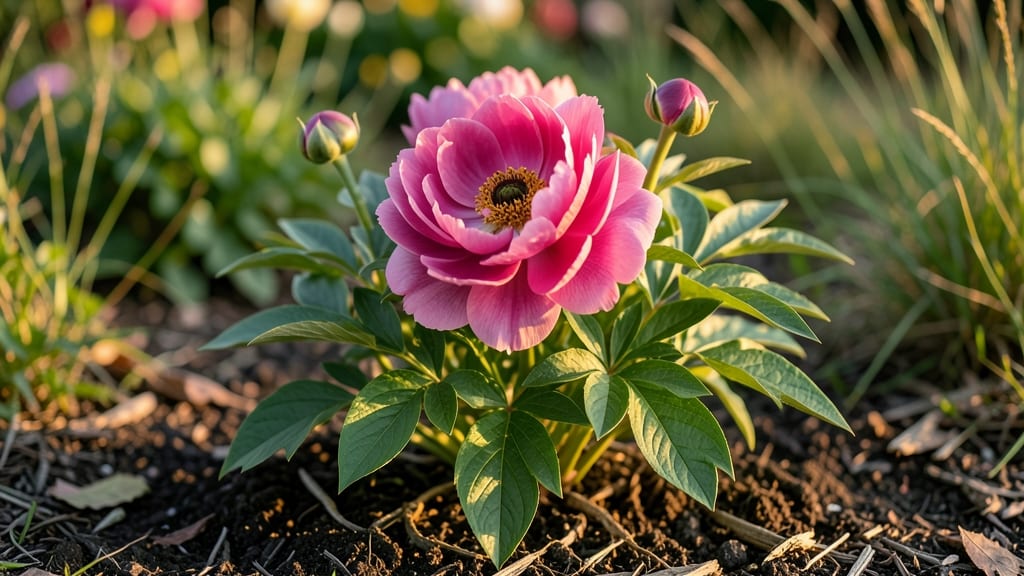
Peonies flower between late spring and early summer 🌸, but the exact timing depends on whether you have herbaceous or tree types—and where you live.
If you’ve ever wondered why your peony bushes seem to bloom at different times—or why some neighbors’ peonies flower earlier than yours—you’re not alone. The answer lies in their variety, your climate, and even how you care for them.
For example, tree peonies often bloom a few weeks earlier than their herbaceous cousins, and cooler regions can delay their show by weeks.
Understanding these differences isn’t just about admiring their stunning blooms—it’s about planning your garden for maximum impact. Whether you’re dreaming of a fragrant spring border or hoping to extend the season with the right care, knowing when to expect those iconic blossoms makes all the difference.
In this guide, I’ll break down the blooming windows for both types, share tips to encourage earlier or longer flowers, and help you troubleshoot if your peonies are playing hard to bloom.
Peony blooming seasons: herbaceous vs tree peonies compared by month
Peonies are one of the most beloved perennials, but their blooming seasons can be confusing. The two main types—herbaceous peonies and tree peonies—have distinct bloom windows that shift based on your USDA hardiness zone and local climate.
Understanding these differences helps you plan your garden for year-round color and ensures you never miss their show-stopping displays.
Herbaceous peonies typically bloom in late spring to early summer, while tree peonies often flower a bit earlier or later, depending on the variety. For example, 'Sarah Bernhardt' (herbaceous) peaks in May-June, whereas 'Bartzella' (tree peony) may bloom as early as April in warmer zones.
Regional variations mean your neighbors in Zone 5 might see blooms two weeks later than those in Zone 8.
Key factors influencing bloom timing include:
- Your USDA hardiness zone (earlier in warmer zones)
- Planting date (fall vs. spring)
- Soil temperature and sunlight exposure
- Variety-specific traits (some tree peonies bloom on old wood, others on new growth)
To predict your local blooming window, check your last frost date and plant peonies in early fall (September-October) for the strongest roots and earliest blooms.
In colder zones (Zone 3-5), expect blooms to align closely with late spring (May), while warmer zones (Zone 7-9) may see flowers as early as April.
Tree peonies often steal the show in cooler climates because they bloom on old wood, meaning their buds form the previous summer. This gives them a head start over herbaceous peonies, which rely on new spring growth.
For example, in Zone 6, tree peonies like 'Duchesse de Nemours' may bloom in early May, while herbaceous types like 'Coral Charm' follow in late May.
If you’re in a warmer zone (Zone 8-10), tree peonies might bloom as early as March, offering a spring preview before herbaceous peonies join the party. This staggered blooming creates a continuous display from late winter through summer.
To maximize this effect, plant a mix of both types—place tree peonies near south-facing walls or fences to capture extra warmth for earlier blooms.
Climate plays a huge role in bloom timing. In humid southern zones, peonies may bloom 2-3 weeks earlier than in drier western regions. For instance, Atlanta (Zone 8a) sees tree peonies in late March, while Denver (Zone 5b) waits until mid-May.
To adjust for your area, note when local nurseries’ peonies bloom and plant accordingly—fall planting in cooler zones ensures stronger roots for earlier flowers.
Pro tip: Use mulch in winter to protect roots and stake tall varieties before blooming to prevent wind damage. For herbaceous peonies, avoid cutting back foliage until it browns naturally in fall—the leaves feed the roots for next year’s blooms.
Tree peonies, meanwhile, benefit from light pruning after blooming to shape their woody stems without sacrificing next year’s flowers.
For gardeners in Zone 4 or colder, consider microclimates like sunny slopes or protected spots near buildings, where peonies can bloom 1-2 weeks earlier than in open areas.
If you’re new to peonies, start with herbaceous varieties like 'Bowl of Beauty' or tree peonies like 'Karl Rosenfield', which are disease-resistant and reliable bloomers in most zones.
Plan your garden layout around these timelines: pair early-blooming tree peonies with tulips or daffodils for a spring succession display, then let herbaceous peonies take center stage in late spring. With the right mix, your garden can enjoy peony blooms from
How to extend your peony’s blooming season: pruning, variety selection, and care tips
Peonies are known for their lush, long-lasting blooms, but many gardeners miss out on their full potential because they don’t know how to encourage a longer flowering season. The good news?
With the right pruning techniques, variety selection, and seasonal care, you can transform a single burst of color into weeks of stunning flowers. For example, 'Sarah Bernhardt' peonies often bloom earlier than 'Kansas', but both can be coaxed into longer displays with proper attention.
One of the biggest mistakes I see is assuming peonies will bloom reliably without intervention. In reality, these plants need strategic deadheading, light pruning, and consistent moisture to reward you with extended blooms.
Even the hardiest varieties, like tree peonies, can benefit from these adjustments—especially if you live in a region with unpredictable spring weather. Let’s dive into the practical steps you can take right now to maximize your peony’s flowering season.
🌸
Key Strategies to Extend Peony Blooms
- 📅 Deadhead daily: Remove spent blooms immediately to redirect energy to new buds. This simple step can add 2-4 weeks to your blooming season.
- ✂️ Prune after flowering: Cut back herbaceous peonies to 2 inches above ground in late fall to prevent disease and encourage stronger growth next year.
- 💧 Water deeply weekly: Peonies need 1 inch of water per week, especially during bud formation in late winter/early spring.
- 🌿 Choose early bloomers: Varieties like 'Bowl of Beauty' (tree peony) bloom in May, while 'Duchesse de Nemours' (herbaceous) peaks in June.
- 🌱 Avoid over-fertilizing: Too much nitrogen = leafy growth, fewer blooms. Use a low-nitrogen fertilizer (5-10-10) in early spring only.
Let’s start with deadheading, the easiest way to extend your peony’s show. Many gardeners skip this step, assuming it’s optional, but I’ve seen herbaceous peonies like 'Coral Charm' produce second flushes of blooms simply by removing faded flowers within 24 hours.
The key is to cut the stem back to the first set of healthy leaves—never the green foliage—so the plant can focus its energy on new buds rather than seed production.
For tree peonies, which often bloom earlier than herbaceous types, the approach is slightly different. These varieties (like 'Shin-Shu') benefit from light pruning in early spring to open up the center of the plant and improve airflow.
This not only extends their bloom time but also reduces the risk of bud blast, a common issue caused by fungal diseases thriving in dense foliage. I recommend using sterilized pruners and making cuts at a 45-degree angle just above a outward-facing bud.
Another game-changer is seasonal maintenance, particularly in late fall. After your peonies finish blooming, resist the urge to clean up everything at once. Leave the foliage intact until early winter (or until it turns brown) so the plant can photosynthesize and store energy for next year’s blooms.
Once the leaves die back naturally, you can mulch heavily (3-4 inches) with organic matter like shredded leaves or straw to protect the crown from freeze-thaw cycles.
Finally, don’t overlook the power of variety selection. If you live in a warmer climate (Zone 8+), opt for late-blooming herbaceous peonies like 'Garden Treasure', which often flower into early July.
In cooler regions (Zone 4-6), tree peonies like 'Lavender Lad' can push blooms into late May with minimal effort. The right variety paired with proper care can turn your peony patch into a month-long floral spectacle.