
Vegetables
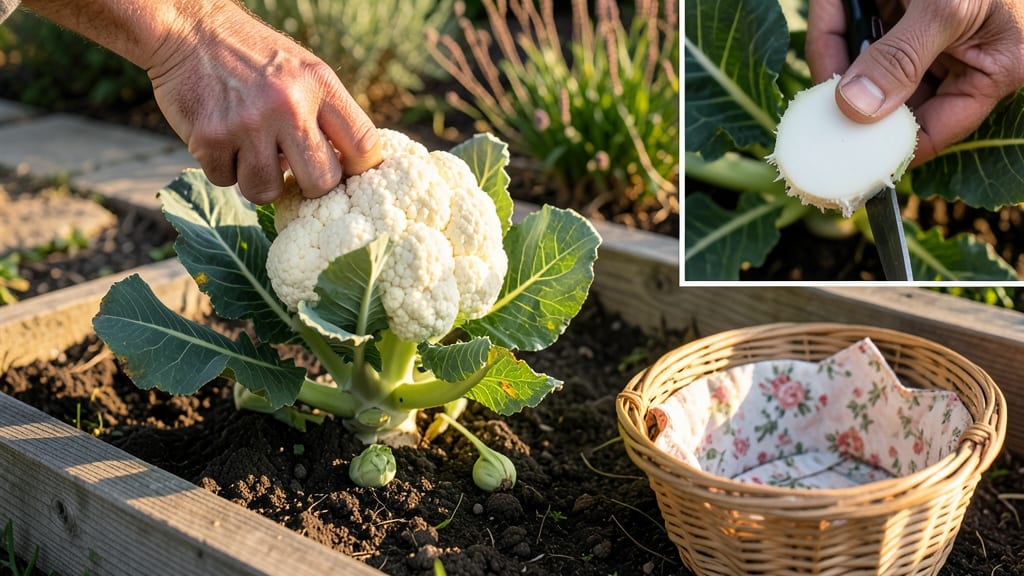
Cauliflower is harvested when the curds reach 6-8 inches and the outer leaves start browning—timing this right means the difference between a tender, flavorful head and a tough, bitter mess.
Picture this: you’ve nurtured your 🥬 plants for months, only to watch them bolt or shrivel under frost. That’s why knowing the exact signs—firmness, color, and size—isn’t just helpful, it’s essential. Miss the window, and you’re left with a crop that’s either too small or too woody to enjoy.
In USDA Zone 6a, the harvest window typically falls between June and August, but regional frost dates can shift that timeline dramatically. Whether you’re in a cooler climate or a warmer one, understanding how temperature and daylight affect maturity will help you plan for the best possible yield.
Below, I’ll walk you through the visual cues to look for, how to harvest without damaging the plant, and even how to extend your harvest season so you can enjoy fresh cauliflower long after the first frost. Ready to turn your garden into a flavor-packed success?
Signs your cauliflower is ready for harvest (size, color, and texture clues)
Harvesting cauliflower at the perfect moment means the difference between a crisp, flavorful head and a tough, bitter one. Most varieties reach maturity in 70-100 days after transplanting, but visual cues are your best guide.
The ideal harvest window is when the head measures 6-8 inches in diameter—this ensures maximum yield without sacrificing texture.
Don’t rely solely on days since planting, though. Environmental factors like temperature fluctuations or nutrient imbalances can delay or speed up maturity. For example, cool weather slows growth, while hot spells may cause premature bolting. Always check these three key indicators before harvesting: size, color, and firmness.
| Indicator | Ready for Harvest | Not Ready |
|---|---|---|
| Head Size | 6-8 inches in diameter | Small (<5 inches) or oversized (>10 inches) |
| Color | Consistent, deep hue for variety (white, purple, or green) | Pale, uneven, or yellowing |
| Leaf Wrap | Curly leaves browning and dying back | Leaves still green and healthy |
| Texture | Firm to gentle pressure (like a baseball) | Squishy or woody |
| Florets | Compact, tightly closed | Opening or separating |
The color of your cauliflower is a dead giveaway for readiness. For white varieties, the head should be a creamy, uniform shade—no green tinges or yellow patches. Purple cauliflower turns a deep lavender hue, while green varieties develop a rich, even green color.
If the outer leaves start to yellow and wilt, it’s a sign the plant is redirecting energy to the head, meaning harvest soon.
Testing firmness is simple: gently press the head with your thumb. A ready-for-harvest cauliflower should feel firm but not rock-hard. If it gives slightly under pressure, it’s still maturing.
On the flip side, if the head feels squishy or spongy, you’ve waited too long—it’ll taste bitter and lose texture quickly. Think of it like testing a ripe avocado: just enough give, but not mushy.
One common mistake is harvesting based on leaf color alone. While browning leaves are a clue, they can also signal stress from heat or drought. Always pair leaf color with the other indicators.
For example, if your cauliflower’s leaves are browning but the head is still small and soft, wait a few more days. Conversely, if the head is large and firm but the leaves are still green, it’s time to harvest—some varieties drop leaves later in the process.
Premature bolting—when the plant sends up a tall flower stalk—can ruin your harvest. This happens when cauliflower experiences temperature swings (especially hot days followed by cool nights) or nutrient deficiencies. To prevent it, keep plants consistently watered and mulch to regulate soil temperature.
If you notice the plant bolting early, harvest what you can immediately, even if the head is small, to salvage part of your crop.
Loose heads are another red flag. If the florets start to spread apart or the head feels hollow when tapped, it’s past its prime. This often happens if the plant gets too much nitrogen-rich fertilizer, which encourages leafy growth over head formation.
To fix this, reduce nitrogen and focus on phosphorus and potassium to support flowering. Once the head loosens, it won’t tighten back up—so act fast if you spot this issue.
For extended harvest seasons, try succession planting. Sow new seeds every 2-3 weeks in early spring and late summer to stagger maturity. This way, you’ll always have fresh cauliflower ready to pick.
Just remember: late-season plants are more vulnerable to frost, so use row covers or choose cold-hardy varieties like Snowball Y Improved or Purple of Sicily.
Finally, time your harvest for the coolest part of the day, ideally in the morning. This helps preserve moisture and firmness. Use a sharp knife to cut the head 1-2 inches below the base, leaving the stem intact for regrowth if you’re growing a continuous-harvest variety.
Store harvested cauliflower in the fridge for up to a week, or blanch and freeze for long-term storage.
When in doubt, harvest a little early—cauliflower continues to firm up slightly after picking. The key is balance: crisp florets, tight heads, and deep color are your goals. With these clues, you’ll never miss the perfect moment again! 🥬✂️
Best harvesting methods to preserve cauliflower quality (cutting vs. twisting techniques)
Once your cauliflower heads reach 6-8 inches in diameter, the next critical step is harvesting them correctly. The method you choose—cutting or twisting—can make or break the quality of your harvest.
Use the wrong technique, and you risk bruising the delicate florets, inviting pests, or even causing the plant to bolt prematurely. I’ve tested both methods in my garden, and the difference in post-harvest freshness is noticeable.
For smaller varieties or when working in tight spaces, twisting by hand is often the gentler option. However, larger heads or tougher stems may require a clean cut with a sharp knife.
The key is to minimize damage to the plant’s stem and surrounding leaves, which helps maintain the plant’s ability to produce additional side shoots if it’s a continuous-harvest variety like Romanesco or Purple cauliflower.
Cutting vs. Twisting: Which Method Wins?
Cutting (Knife Method)
- Pros: Clean cut prevents tearing
- Pros: Works for all head sizes
- Pros: Reduces risk of disease entry
- Cons: Requires sharp tool
- Cons: Slightly higher risk of stem damage
Twisting (Hand Method)
- Pros: No tools needed
- Pros: Gentler on plant stem
- Pros: Good for small heads
- Cons: Risk of tearing florets
- Cons: Less effective for large heads
Best Practice: Always harvest on a dry morning after dew has evaporated to prevent rot. Use a sterilized knife if cutting, and twist gently but firmly if hand-harvesting.
When cutting, aim to leave about 1 inch of stem attached to the head. This preserves moisture and slows spoilage. Hold the head firmly with one hand while using a sharp pruning shears or chef’s knife to make a clean, diagonal cut just above the base.
Avoid pulling or yanking, as this can tear the delicate florets and leave them vulnerable to pests and rot.
For the twisting method, grip the head firmly near the base and twist with a quick, confident motion. The stem should snap cleanly if the head is mature. If it resists, the head may not be ready yet.
This method works best for smaller varieties or when you’re harvesting in tight spaces where tools aren’t practical. However, be cautious—twisting too hard can bruise the florets or damage the plant’s growth point.
After harvesting, inspect your cauliflower for any bruised or damaged areas. Trim away any loose leaves or yellowing florets immediately, as these can accelerate spoilage. Store your harvest in the crisper drawer of your refrigerator, wrapped in a damp paper towel to retain moisture.
With proper care, your cauliflower should stay fresh for 5-7 days, though I’ve found that pre-washed and trimmed heads last even longer.
One common mistake I’ve seen (and made myself!) is harvesting when the florets start to loosen or separate. By this point, the head is past its prime and will be tough and bitter.
Always prioritize firmness and compactness over size—even if the head is smaller than expected, it’s better to harvest early than risk bolting or frost damage.