
Aphids
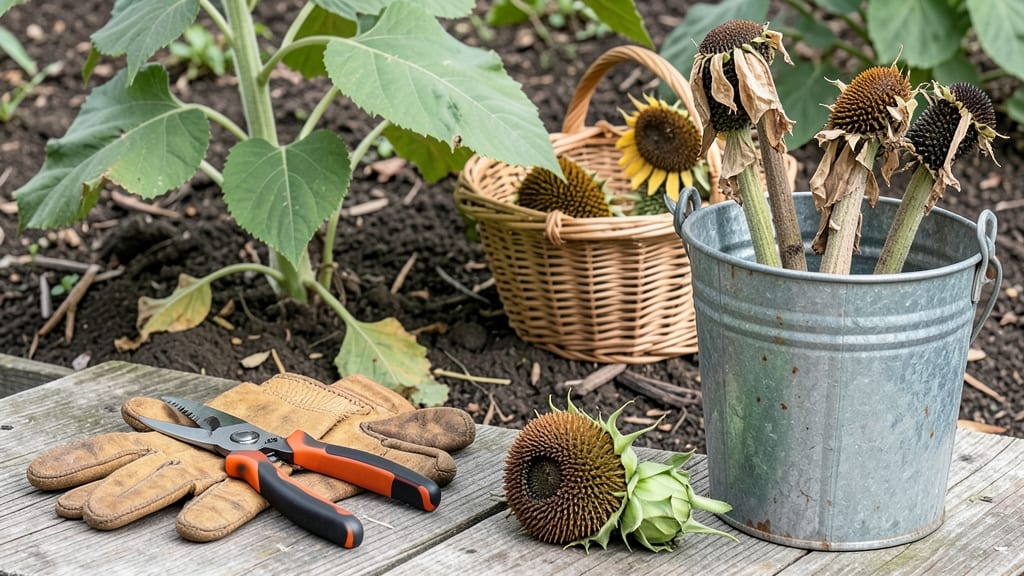
Cut down sunflowers when their seed heads turn brown and feel dry to the touch — timing this right ensures you save viable seeds or preserve their beauty for fall decor.
Picture this: you’ve nurtured your 🌻 sunflowers all season, and now the choice feels critical. Leave them too long, and frost or birds ruin your seeds. Cut them too soon, and you miss the perfect moment for drying or saving.
The decision hinges on your goal—whether you’re saving seeds for next year’s garden or crafting dried arrangements.
For seed saving, wait until the back of the flower head turns yellowish-brown and the seeds rattle inside. If you’re cutting for decor, harvest just before the first frost strikes—typically by late September in USDA Zone 6a.
Either way, act too late, and you risk losing your hard work to the elements.
Below, I’ll break down the exact stages to watch for, regional timing tips, and how to care for your sunflowers post-cutting—whether you’re composting, drying, or displaying them. Ready to make the most of your sunflower harvest?
When to cut down sunflowers for seed saving (exact stages)
Saving sunflower seeds is one of the most rewarding parts of growing these cheerful giants. But timing is everything—cut too early, and your seeds won’t mature; wait too long, and birds or frost will ruin them.
The key lies in watching for three critical visual cues that signal perfect seed maturity. These include the backbone color, seed ripeness, and moisture levels in the seed head.
First, focus on the backbone of the flower head. When saving seeds, this is your most reliable indicator. The center should transition from green to yellowish-brown, almost like a dried-out wheat stalk.
This color change means the seeds inside are fully developed and ready for harvest. Don’t wait until it turns fully brown—this signals overripeness, which can reduce seed viability.
Next, check the seed ripeness by gently pressing a seed between your fingernails. If it’s hard and plump with no give, it’s ready. If it’s still soft or hollow-sounding, give it another week or two.
You’ll also notice the seeds rattle when shaken—this is a classic sign of maturity. Listen closely; the sound comes from the dry, mature seeds inside the head.
Finally, assess the moisture levels in the seed head. The outer bracts (those little leaf-like structures) should feel dry and papery, not crisp or brittle. If they’re still slightly moist, wait a few more days.
Overly dry bracts mean the seeds may have lost viability, so aim for that perfect balance where the head feels firm but not soggy.
| Stage | Visual Cues | Action |
|---|---|---|
| Early Maturity | Backbone turns yellowish-brown; petals fully open | Monitor daily for seed ripeness |
| Ideal Harvest | Seeds rattle; backbone fully brown; bracts dry | Cut stems; dry seeds indoors |
| Overripe | Backbone dark brown; seeds scatter easily | Seeds may lose viability; harvest quickly |
The best time to cut your sunflowers is on a dry, sunny morning after the dew has evaporated. Use a sharp pair of pruning shears or a clean knife to avoid crushing the seed head.
Cut the stem at a 45-degree angle, about 6 inches below the flower head. This angle helps water drain away from the cut, reducing rot during the drying process.
After cutting, hang the sunflower heads upside down in a well-ventilated, dry area. A dark, airy space like a garage or shed works perfectly. Avoid direct sunlight, which can cause the seeds to dry too quickly and crack.
It typically takes 2-4 weeks for the seeds to fully dry, depending on humidity levels in your area.
Once the seeds are completely dry, rub the flower head between your hands to release them. Store the seeds in a paper envelope or glass jar in a cool, dark place. Label them with the variety name and harvest date to keep track of your collection.
Properly stored seeds can last for 3-5 years, though germination rates drop after the first year.
If you’re saving seeds from heirloom or hybrid varieties, note that hybrids may not produce true-to-type offspring. For the best results, stick to open-pollinated varieties like ‘Russian Giant’ or ‘Moulin Rouge.’
These varieties are bred to maintain their traits from one generation to the next, ensuring your saved seeds will grow into sunflowers just like their parents.
Regional variations can affect seed maturity timelines. In warmer climates, sunflowers may mature faster, while cooler regions might need an extra week or two.
Always keep an eye on the forecast—if frost is predicted before your seeds are ready, harvest them anyway and dry them indoors to salvage what you can.
Best timing for cutting sunflowers as fall decor (before frost strikes)
When you’re harvesting sunflowers for dried arrangements, timing is everything. The goal is to preserve their vibrant color and structural integrity while avoiding frost damage. Cut too early, and the stems won’t dry properly.
Wait too long, and frost will turn petals brittle or discolored. For most regions, aim to harvest 2-4 weeks before the first frost, typically late September in USDA Zone 6a.
Look for these key signs: petals should still be firm and slightly moist, not wilted or brown. The seed head’s back should be green to light brown, but seeds inside shouldn’t be fully mature (that’s for seed saving!).
If you’re unsure, check the local frost date and plan your harvest accordingly—sunflowers dry best when cut at 50-60% moisture.
⚠️ Critical Timing Mistake
Never cut sunflowers after frost—even a light freeze will damage petals and stems. If frost is imminent and your sunflowers aren’t ready, harvest them anyway and dry indoors immediately. The trade-off? Petals may lose some vibrancy, but the structure will remain intact for wreaths or dried bouquets.
Pro Tip: Use a moisture meter (or the "squeeze test") to confirm readiness. A slightly damp stem is ideal for drying.
Use sharp pruning shears or a clean knife to cut stems at a 45-degree angle, about 6 inches below the flower head. This angle increases surface area for water absorption during drying. Remove any lower leaves that might touch water or soil, as they can harbor mold.
Bundle stems in groups of 5-10 and hang them upside down in a well-ventilated, dry space like a garage or shed.
Drying takes 2-4 weeks, depending on humidity. Test dryness by gently bending a stem—if it snaps cleanly, it’s ready. For extra preservation, spray dried flowers with clear hairspray or a 50/50 water-vodka mix to lock in color.
Store in a cool, dark place until ready to use in arrangements, wreaths, or potpourri.
If you’re short on time, you can force-dry sunflowers by placing them in a paper bag with a few drops of water and tying it loosely.
The condensation speeds up drying in 3-5 days. This method works well for last-minute harvests before frost. Just avoid overcrowding—stems need airflow to prevent mold.
For long-lasting fall decor, pair dried sunflowers with eucalyptus, wheat stalks, or dried grasses. Their bold shapes and warm tones create stunning contrasts.
Whether you’re crafting a rustic wreath or a centerpiece bouquet, cutting at the right time ensures your sunflowers stay beautiful for months to come. 🌻