
Trees
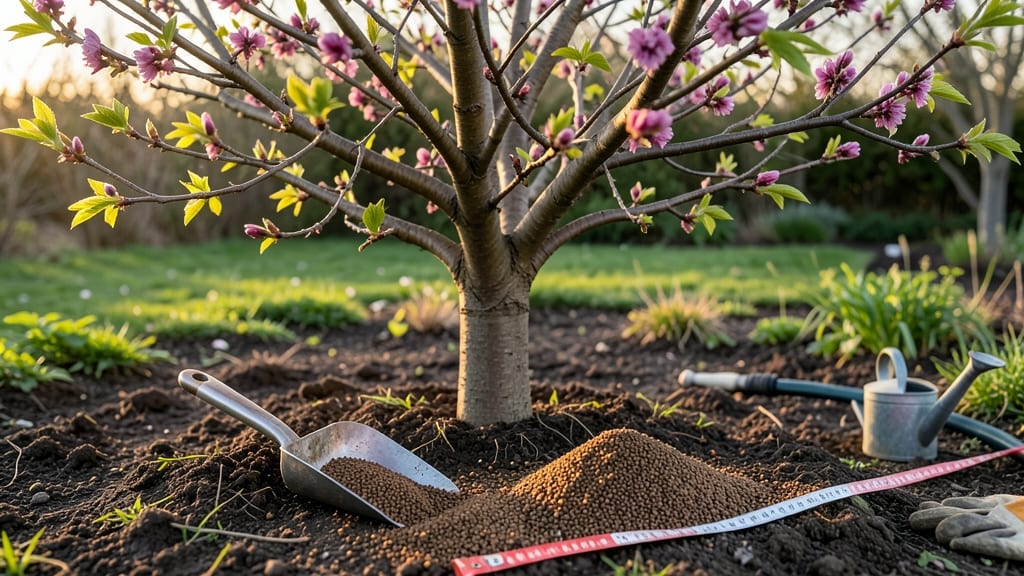
Fertilizing flowering trees at the right time is the difference between showstopping blooms and a sad, sparse show.
Struggling to get your 🌸 flowering trees to burst into vibrant blooms year after year? The secret often lies in timing your fertilization perfectly—but many gardeners get it wrong, leading to wasted nutrients and underwhelming results.
Think about it: feeding your trees too early can send energy into leaves instead of flowers, while waiting too long means missed growth opportunities. The best approach depends on your USDA Zone 6a climate, soil health, and whether your tree blooms on old or new wood.
In this guide, I’ll break down the exact month-by-month schedule for fertilizing flowering trees, including when to feed for spring blooms, how to support summer growth, and why fall fertilization is a big no-no.
Best fertilization timing for flowering trees by season
Timing your flowering tree fertilization is like hitting the reset button for peak blooms—do it wrong, and you’ll end up with sparse flowers or stressed plants. Most gardeners focus on spring feeding, but the real magic happens in understanding how seasonal growth cycles dictate when to apply nutrients.
Deciduous trees like cherry blossoms or crabapples need different timing than evergreens like camellias, and ignoring these differences can lead to wasted fertilizer or even root burn.
Science shows that early spring fertilization (right after dormancy) is critical for breaking buds, while summer applications should be light to avoid encouraging late-season growth that won’t harden off before frost. Evergreens, meanwhile, often thrive with a fall feeding to support root development through winter.
Let’s break down the exact schedule for each season, so you can give your trees the nutrients they crave—when they need them most.
📅 Seasonal Fertilization Schedule for Flowering Trees
For deciduous flowering trees, the early spring feeding is non-negotiable. Think of it as waking your tree from winter hibernation—just like you wouldn’t start a workout after months of inactivity, your tree needs nutrients to rebuild energy stores.
I always apply a balanced 10-10-10 fertilizer right after the last frost, spreading it evenly under the canopy and watering it in thoroughly. This timing aligns with the tree’s natural growth surge, ensuring buds form properly for the coming season.
Evergreens like azaleas or magnolias follow a slightly different rhythm. They can handle a light fall feeding (September-October) to strengthen roots before winter. I’ve seen dramatic improvements in camellia blooms the following spring after adding compost in early fall—it’s like giving them a head start on photosynthesis.
The key is avoiding heavy fertilizers in late summer, which can lead to tender new growth vulnerable to frost damage.
Summer fertilization is often overlooked, but a light mid-season feeding (June-July) can work wonders for reblooming varieties like crepe myrtles. I swear by a 5-10-10 ratio here, as the extra phosphorus encourages root development without overstimulating foliage.
Pro tip: Pair this with a deep watering to prevent nutrient burn. And if you notice yellowing leaves or stunted growth, it’s a red flag to adjust your approach—more on diagnosing these signs in our next section.
One of the biggest mistakes I see is fertilizing in fall for deciduous trees. While evergreens benefit from late-season nutrients, feeding broadleaf trees like dogwoods or serviceberries in autumn can lead to soft, frost-tender shoots. Instead, focus on mulching with 3-4 inches of organic matter to insulate roots.
I’ve had clients swear their trees “died” after fall feeding—only to realize they’d broken this cardinal rule. The solution? Wait until spring and let nature’s rhythm guide you.
Regional climate plays a huge role here. In USDA Zone 6a (where I garden), we aim to fertilize by mid-April to avoid late frosts, but in warmer zones like Zone 8, you might start as early as February.
Ever notice how Southern magnolias bloom earlier than their Northern cousins? That’s climate timing in action. Adjust your schedule by 2-4 weeks based on your last frost date—your local cooperative extension office can provide precise data for your area.
Don’t forget about newly planted trees! These need extra attention. For the first year, I use a half-strength fertilizer in spring and a light organic top-dressing in
How to tell when your flowering tree needs fertilizer (signs & soil tests)
Your flowering tree might be silently screaming for help—yet you're missing the clues. Yellowing leaves, sparse blooms, or stunted growth are all red flags that your tree's nutrient needs aren't being met.
Unlike vegetables or herbs, flowering trees often show deficiency signs differently, making it tricky to diagnose without knowing what to look for.
Before reaching for that fertilizer bag, I always check for these three key signs: leaf discoloration (especially yellowing between veins), reduced flowering compared to previous years, and thin, weak new growth.
These symptoms often appear when your tree's soil lacks essential nutrients like nitrogen, phosphorus, or potassium—or when the pH is off.
🌿
Warning: Fertilizing Too Late Can Backfire
Applying fertilizer after mid-summer (especially for spring-blooming trees) can stimulate late-season growth that won't harden off before frost. This leads to winter dieback and weakens next year's blooms. Always test soil first—especially if you see purple stems (phosphorus deficiency) or brown leaf edges (potassium deficiency).
For accurate results, I recommend using a DIY soil test kit (available for under $15) to check pH and nutrient levels. These kits often include tests for nitrogen, phosphorus, and potassium—the big three your flowering trees need.
If you're not ready to buy a kit, try the vinegar-and-baking-soda test for pH: mix equal parts vinegar and water, pour on soil, and watch for fizz (acidic soil). Then add baking soda to water and repeat—if it fizzes again, your soil is alkaline.
Another trick I use is the finger test for moisture and nutrient availability. Dig 6 inches down and check soil texture: if it crumbles easily, it's likely low in organic matter. Add compost or aged manure to improve structure before fertilizing.
For established trees, I also look at the root flare—healthy roots should have a slight bulge at the base, not be buried under mulch or soil.
If your tree blooms on old wood (like magnolias or lilacs), prioritize phosphorus-rich fertilizers in early spring. For new wood bloomers (such as crape myrtles), focus on balanced fertilizers in late spring. Remember, less is more—over-fertilizing can burn roots and attract pests like aphids, which love nutrient-rich new growth.
🌸