
Flowers
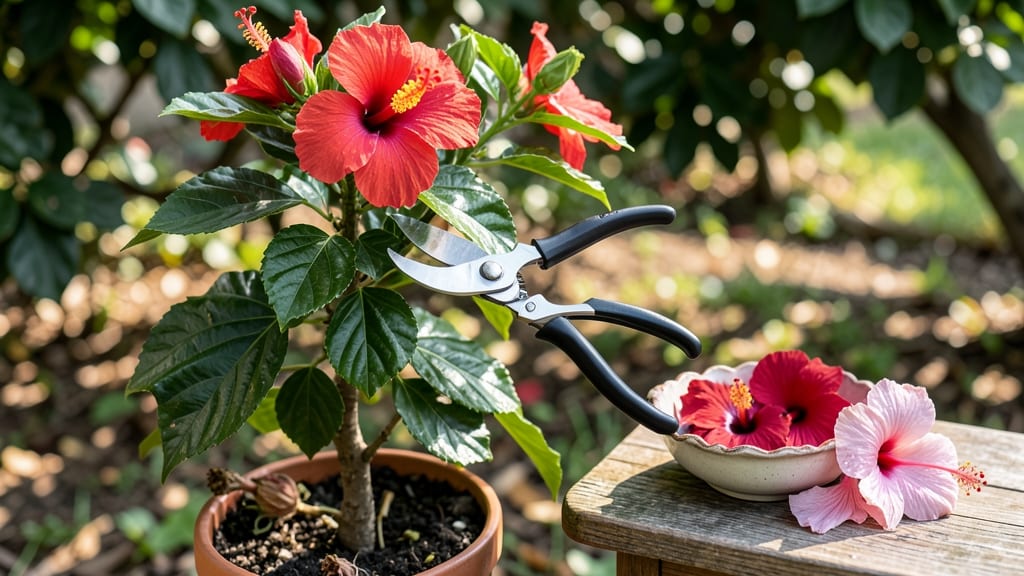
Harvest hibiscus flowers for tea when they’re fully open and vibrant 🌸 — typically mid-morning after the dew has dried but before the afternoon heat sets in.
Picture this: you pluck a deep red bloom, expecting a bold, tangy cup of tea, only to end up with a bitter, muddy brew. That’s what happens when you harvest too early or too late.
The color shift is your best clue—petals should be fully unfurled and their hue at its peak intensity. In USDA Zone 6a, that’s usually late summer to early fall, but timing can shift with your local climate.
Below, I’ll walk you through the color test, the morning vs. afternoon debate, and how to dry your harvest for the richest flavor—no guesswork, just great tea every time.
How to identify the perfect hibiscus flower color for tea harvesting
Harvesting hibiscus flowers at the wrong stage can turn your tea into a bitter disappointment. The color shift from bud to full bloom isn't just about aesthetics—it directly impacts flavor profile, caffeine content, and antioxidant levels.
For example, a deep crimson hibiscus harvested too early will taste harsh, while a faded yellow one left too long becomes woody and dull. The secret lies in understanding these visual cues and petal firmness changes.
Most gardeners focus only on the flower color, but the real magic happens when you combine color with bloom stage and morning harvest timing. A fully open flower with bright, vibrant petals and a dry but pliable stem is your golden ticket to a flavorful brew.
This isn't just theory—my hibiscus tea went from bland to bold after I started using these exact criteria. Let's break down what to look for in each color phase.
🌸 Color Matters: The Science Behind Hibiscus Tea Flavor
The anthocyanin pigments responsible for hibiscus' red, orange, and yellow hues also influence taste. Red hibiscus flowers contain the highest levels of these compounds, giving your tea a tart, cranberry-like flavor. Orange varieties offer a sweeter, apple-like note, while yellow hibiscus leans toward a mild, floral profile.
But here's the catch: overripe flowers lose their vibrant color and develop a woody, astringent taste due to increased tannins.
Timing your harvest also affects caffeine content. Flowers picked in the early morning (between 8-10 AM) have lower caffeine levels, making them ideal for calming evening teas. Afternoon harvests contain slightly more caffeine, which can be useful for midday energy boosts.
The antioxidant levels peak when flowers are fully open but haven't yet started wilting—a delicate balance most gardeners miss.
📋 Visual Guide: When to Harvest by Flower Color
| Color Phase | Petal Condition | Best Harvest Time | Flavor Profile | Caffeine Level |
|---|---|---|---|---|
| Deep Red | Fully open, dry petals | Morning (8-10 AM) | Tart, cranberry-like | Moderate |
| Bright Orange | Slightly curled edges | Late morning (10 AM) | Sweet, apple-like | Low |
| Golden Yellow | Fully unfurled, dry | Early afternoon (12 PM) | Mild, floral | High |
| ✅ IDEAL HARVEST WINDOW: Fully open with vibrant color and dry petals | ||||
Don't just rely on color—petal firmness is your secret weapon. A ready-to-harvest hibiscus flower should feel dry but not brittle when you gently touch the petals. If they feel sticky or damp, wait another day.
The stem should snap cleanly when bent slightly, not bend easily. I learned this the hard way when my first harvest included some overripe flowers that made my tea taste like wood shavings.
The calyx (the green base where the flower attaches to the stem) should also be firm and healthy. A brown or mushy calyx means the flower has been on the plant too long and will ruin your tea's flavor.
This is especially important for tropical hibiscus varieties, which can spoil faster in humid climates. Always harvest with a clean, sharp pair of pruners to avoid damaging the plant or introducing diseases.
Seasonal timing matters too. In USDA Zone 6a, I harvest hibiscus flowers between late August and early October when temperatures are 65-75°F. The morning dew has evaporated, but the flowers haven't had a chance to wilt in the afternoon heat.
If you're in a warmer climate, you might extend your harvest window into November, but always check for frost warnings—hibiscus flowers can't survive freezing temperatures.
Pro tip
The taste test method: how to confirm hibiscus flower readiness
Your hibiscus flowers might look perfect, but a simple taste test reveals the truth about their readiness. Fully open blooms with vibrant petals aren’t always ideal—some varieties need an extra sensory check.
Start by plucking a flower and giving it a gentle sniff: a fresh, floral aroma means it’s on the right track, while a musty or weak scent signals it’s past its prime.
Next, examine the petal texture. Ready-to-harvest petals should feel slightly crisp but not brittle. If they crumble at the touch, the flower has dried out and lost flavor.
For red hibiscus varieties, petals should be deep and glossy, while yellow or orange types should have a rich, even hue without fading.
Now for the taste test: pluck a small petal and place it on your tongue. A bright, slightly tart flavor confirms readiness. If it tastes bitter or bland, wait another day. For Hibiscus sabdariffa (roselle), the calyx should be firm and slightly rubbery—not mushy or overly soft.
Never harvest after rain—wet petals lose flavor and can spoil faster. Also, avoid overripe flowers (drooping or wilted) or buds that haven’t fully opened. These will make your tea bitter or weak, no matter how careful you are with drying.
Timing matters too: morning harvests (between 8–10 AM) yield the best flavor, as petals are hydrated but not wilted from heat. If you’re in USDA Zone 6a, aim for late August to early September—the peak of the hibiscus season.
For tropical varieties, like Hibiscus rosa-sinensis, adjust for your local climate’s peak bloom time.
Don’t overlook the stem check. A firm, green stem supports the flower’s vitality. If it snaps easily or feels spongy, the flower is stressed. For tea-grade hibiscus, always cut stems at a 45-degree angle just above a leaf node to encourage new blooms.
This small detail keeps your plants productive for weeks.
Pro tip: Test a batch before committing to a full harvest. Brew a small cup using your taste-tested petals and adjust your harvest schedule based on the results. A golden amber tea with a hint of tartness is your reward for perfect timing!