
Plants
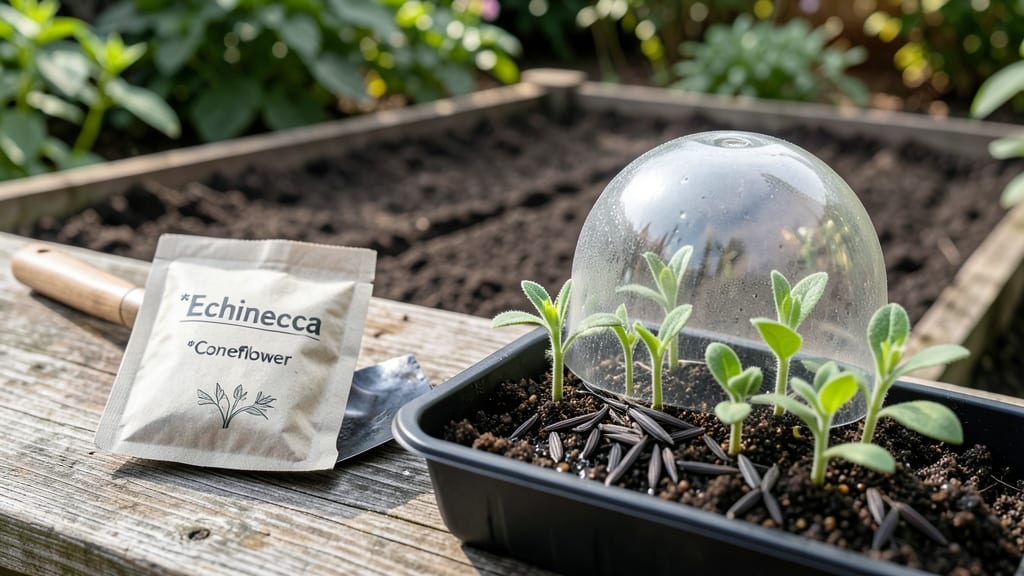
Planting coneflower seeds at the right time can mean the difference between vibrant blooms by summer and waiting years for color to show.
Struggling to get coneflowers 🌼 to bloom on time? The secret to faster, more vibrant blooms lies in timing—planting at the right moment can make all the difference.
For USDA Zone 6a (like much of the Midwest), the best windows are March–April for spring or August–September for fall. But here’s the trick: cold soil actually speeds up germination, so don’t rush to plant as soon as the ground is workable.
In this guide, I’ll break down the exact timing for your zone, how to prep soil for fast germination, and whether to sow directly or start indoors for bigger blooms next year.
Best planting times for coneflower seeds by climate zone
Getting your coneflower seeds in the ground at the right time can transform your garden from a mediocre display to a showstopping burst of color. Unlike many annuals, coneflowers thrive when planted either in early spring or late summer/fall, depending on your USDA hardiness zone.
The key? Understanding how cold soil triggers faster germination and stronger root systems. Let's break down the perfect planting windows for zones 3 through 10 so you can enjoy those iconic purple blooms sooner.
Most gardeners focus solely on spring planting, but fall sowing is actually the secret weapon for coneflowers. Seeds planted in cool autumn soil (below 60°F) experience a natural stratification process, which mimics winter conditions and helps them bypass dormancy faster.
This means your coneflowers will sprout earlier in spring and bloom 3-4 weeks ahead of schedule. For zones 3-5, fall planting is especially critical—it gives seeds time to establish roots before harsh winters set in.
Here's the golden rule: Aim to plant coneflower seeds 4-6 weeks before your first expected frost in fall, or 2-4 weeks after your last frost in spring.
The exact timing varies dramatically by zone, which is why we've created this zone-specific guide to help you pinpoint the perfect moment for your region. Whether you're in frigid zone 3 or mild zone 10, these guidelines will ensure your seeds get the best possible start.
If you're in zone 3 or 4, focus on fall planting—this gives seeds time to establish roots before winter. The cold-soil trick works wonders here: plant seeds in unheated garden beds when soil temperatures drop below 60°F.
This mimics winter conditions and helps seeds germinate faster in spring. For zones 5-6, you have flexibility—either plant in early spring (after last frost) or late summer for a second flush of blooms.
Gardeners in warmer zones (7-10) can push the envelope further. In zone 7, you can even plant coneflower seeds in late winter (February) if you're using the cold-soil method.
For zones 9-10, fall planting extends into November, but avoid planting too close to first frost—seeds need 4-6 weeks to establish before winter sets in. In these zones, spring planting is also viable, but fall-sown seeds often outperform spring-planted ones due to earlier germination.
The cold-soil trick is your secret weapon for faster blooms. Here's how it works: when you plant coneflower seeds in cool (but not frozen) soil, the seeds experience a natural stratification process. This breaks their dormancy cycle and signals them to sprout sooner in spring.
To use this method, simply plant seeds in unheated garden beds when soil temperatures are between 40-60°F. In northern zones, this happens naturally in fall; in southern zones, you
Cold-soil planting method: step-by-step for coneflower success
The cold-soil method is my secret weapon for growing hardier coneflowers with fewer delays. By planting seeds when soil temps hover between 40°F–50°F, you trigger natural dormancy, which actually speeds up germination and reduces transplant shock.
This technique works especially well for USDA Zones 3–8, where early spring or late fall frosts can stall growth.
Unlike traditional spring planting, cold-soil sowing lets seeds stratify naturally—a process that mimics winter conditions. This breaks seed dormancy, so your coneflowers sprout faster once temperatures warm. Plus, seedlings develop deeper root systems before summer heat arrives, leading to bigger blooms next year.
- 1 Test Soil Temperature: Use a soil thermometer to confirm temps are 40°F–50°F. In Zone 6a, this typically falls in late March–early April or mid-September.
- 2 Prepare Seedbed: Loosen soil to 6 inches deep and mix in compost for drainage. Coneflowers hate soggy roots, so amend clay soil with sand or perlite if needed.
- 3 Sow Seeds Directly: Scatter seeds ¼ inch deep, spacing them 12–18 inches apart. A light mulch of straw helps retain moisture without smothering sprouts.
- 4 Water Gently: Use a fine mist to keep soil moist but not waterlogged. Avoid overhead watering to prevent fungal diseases like powdery mildew.
- 5 Thin Seedlings: Once seedlings reach 2 inches tall, thin to 18 inches apart to prevent competition. Transplant thinned seedlings to new spots if needed.
- 6 Fertilize Lightly: After 6 weeks, apply a balanced 5-10-10 fertilizer to encourage root growth. Skip heavy feeding—coneflowers thrive in moderate soil, not rich compost.
One of my favorite perks of cold-soil planting is fewer pests. Early seedlings are less appealing to slugs and deer because they’re hardened off naturally. Plus, you’ll see blooms the first year instead of waiting for established roots—ideal for pollinator-friendly gardens.
For fall planting, aim for 6–8 weeks before your first frost. In Zone 6a, that’s typically mid-September. Seeds will germinate slowly over winter but sprout vigorously in spring, giving them a head start on weeds.
Just remember: never plant in freezing temps—seeds need moisture to activate.
Pro tip: Mark your planting spots with biodegradable flags so you don’t accidentally disturb seedlings when weeds pop up. Coneflowers are tough once established, but early care makes all the difference for those showstopping pink and purple blooms you’re dreaming of. 🌼