
Planting
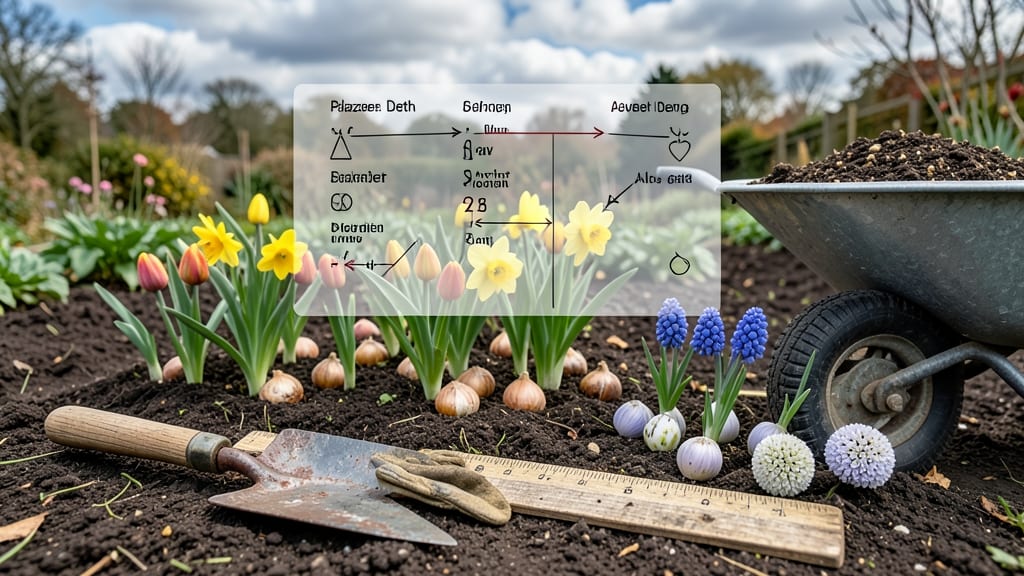
Planting flower bulbs 🌸 in the fall when soil temperatures hit 40–50°F is the secret to vibrant spring blooms—or a wasted investment if you wait too long.
Picture this: you’ve just dug up those beautiful tulips and daffodils, only to watch them rot before winter sets in. That’s what happens when you plant too early or too late, ignoring the soil’s real temperature.
Unlike air temps, which can swing wildly, soil stays steady—and that’s what your bulbs need to root before the ground freezes.
In USDA Zone 6a, that window usually opens in early September and closes by mid-November, but the exact timing depends on your local frost date and whether you’re planting hardy snowdrops or finicky hyacinths. Get it wrong, and you’re stuck with moldy bulbs or no blooms at all.
Here’s how to nail it: I’ll walk you through testing soil temps, adjusting for your region, and even when moon phases might (or might not) matter. By the end, you’ll know the exact moment to plant for zero-frost success—no guesswork, just results.
Fall flower bulb planting timeline by soil temperature (not calendar date)
Planting flower bulbs in the fall isn't about following a rigid calendar—it's about soil temperature. When soil reaches 40-50°F, roots establish before winter, ensuring vibrant spring blooms.
Air temperature can be misleading; cool evenings might fool you into thinking it's safe, but frozen soil stops root growth instantly. This rule applies to tulips, daffodils, hyacinths, and other hardy bulbs.
Why focus on soil temperature? Bulbs need 4-6 weeks to develop roots before the ground freezes. If planted too early, they may sprout and get damaged by frost. Too late, and they won't establish roots before winter dormancy.
The 40-50°F range is ideal because it signals the perfect balance: cool enough to prevent early sprouting but warm enough for root growth.
Here’s how to adapt for your USDA zone. In Zones 3-5, aim for planting when soil hits 50°F—typically late September to early October. In Zones 6-8, wait until soil drops to 45-50°F, usually October to November.
Zones 9-10 can plant as late as November-December, but ensure soil stays above freezing.
For USDA Zone 3, plant tulips and daffodils as early as late August to ensure roots establish before first frost. In Zone 10, you can plant hyacinths and crocus as late as December, but monitor soil temps closely.
Pro tip: Use a soil thermometer to check temps at 6-inch depth—this is where bulbs will be planted.
If you're unsure about your soil temperature, dig a small hole and check with your hand. Soil should feel cool but not icy. Finger test: If you can keep your finger pressed for 5 seconds without discomfort, it’s likely in the 40-50°F range.
For accuracy, invest in a $10 soil thermometer—it’s a game-changer for fall bulb planting.
Adjust planting depth based on bulb type and soil conditions. In sandy soil, plant bulbs 1-2 inches deeper to retain moisture. In clay soil, plant 1-2 inches shallower to prevent rot. Always add a 2-inch layer of compost or well-rotted manure to the planting hole for nutrients.
Common mistakes include planting too early (risking frost damage) or too late (roots don’t establish). Another pitfall is ignoring soil drainage. Bulbs rot in soggy soil, so amend heavy clay with perlite or sand. In containers, use a mix of potting soil and coarse sand for optimal drainage.
Once planted, mulch with 2-3 inches of straw or leaves to ins
How to test soil temperature and prepare for fall bulb planting
Planting flower bulbs too early or too late in fall can ruin your chances of vibrant spring blooms. The key? Soil temperature—not just air temperature. Bulbs need 40-50°F soil to establish roots before winter dormancy.
If you plant too soon, roots may grow but won’t harden off. Too late, and they risk freezing before settling in.
Most gardeners rely on calendar dates (like October 1st), but soil warms and cools unevenly across regions. A soil thermometer (or even a DIY method) gives you the precise window for your microclimate. Once you’ve tested, focus on soil prep—loose, well-draining soil with compost ensures bulbs thrive next spring.
Here’s my step-by-step guide to testing soil temperature and prepping beds for zero-frost success, including fixes for heavy clay or sandy soils:
🌡️ Step-by-Step Soil Prep for Fall Bulbs
-
1. Test soil temperature
Use a soil thermometer (or a candy thermometer) to check depth where bulbs will sit. Insert it 6 inches deep—the average planting depth for most bulbs. Wait 30 seconds for an accurate reading. -
2. Plant when soil hits 50°F
Ideal range: 40–50°F. In USDA zones 3–5, this is often late September to early October. Zones 6–10 may extend into November. Never plant when soil is above 60°F—roots will grow but won’t harden for winter. -
3. Adjust planting depth by bulb type
Small bulbs (crocus, grape hyacinth): 3–4 inches deep
Medium bulbs (tulips, daffodils): 6–8 inches deep
Large bulbs (allium, fritillary):** 8–10 inches deep -
4. Amend heavy clay or sandy soil
Clay soil: Mix in 2–3 inches of compost or coarse sand to improve drainage. Sandy soil: Add peat moss or coconut coir to retain moisture. Aim for soil that’s loose but not powdery. -
5. Plant with spacing for airflow
Space bulbs 3–6 inches apart (smaller bulbs closer, larger bulbs farther). This prevents rot from soggy soil and gives roots room to expand. After planting, water deeply to settle soil around bulbs. -
6. Mulch after ground freezes
Apply 2–3 inches of straw or shredded leaves once soil temps drop below freezing. This insulates bulbs without suffocating them. Remove mulch in early spring to allow shoots to emerge.
If your soil is too cold (below 40°F), wait a week or two—bulbs won’t rot in cool soil, but they won’t root either. For southern climates (zones 7–10), plant in November or December to avoid summer heat stress. The goal? Bulbs should establish roots but not grow leaves before winter.
Pro tip: Mark your planting spots with biodegradable flags or a garden map. Next spring, you’ll know exactly where to expect colorful surprises peeking through the soil. Happy planting!
🌱