
Flowers
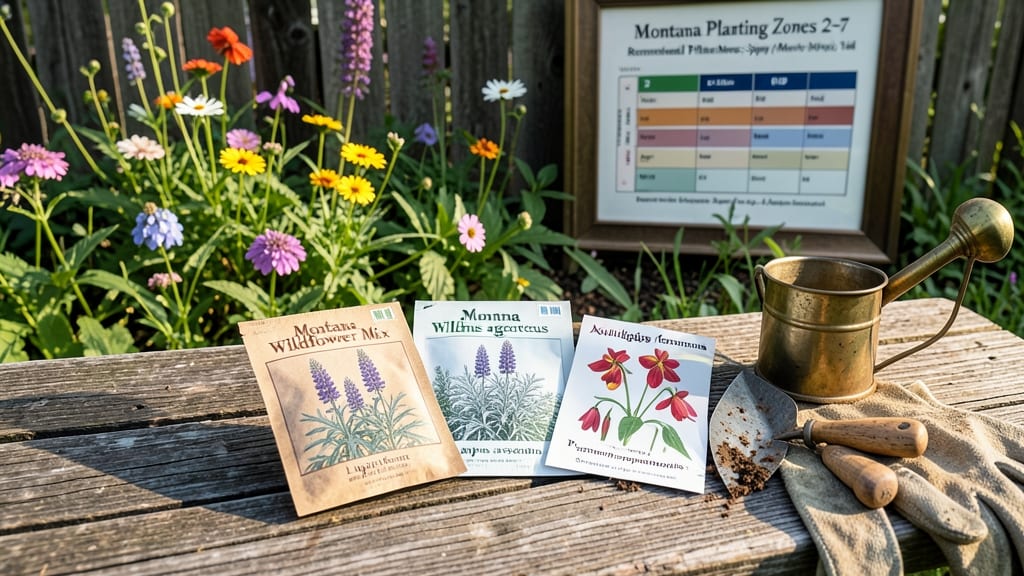
Planting flowers in Montana after the last frost—typically late April to early June—sets the stage for a garden that thrives despite the state’s short growing season and unpredictable weather.
Montana’s short growing season and unpredictable weather can make timing your flower planting a challenge—but getting it right means vibrant blooms from spring to fall. With USDA Zones 4-5, knowing exactly when to plant each variety ensures your garden thrives despite the cold nights.
Whether you’re in Missoula’s Zone 7a or Glacier National Park’s Zone 3a, the key is matching your flower types to the right window: annuals love warmth, perennials need an early start, and bulbs can handle a little chill. A missed deadline means wilting dreams—or worse, frozen seedlings.
Below, I break down the perfect planting schedule for Montana’s zones, plus soil prep secrets and adjustments for late starts. No more guessing—just blooms that last from summer to frost.
Montana flower planting calendar: exact dates by USDA Zone 4-5
Timing your flower planting in Montana’s USDA Zones 4-5 means balancing short frost-free windows with variable microclimates. Western Montana (e.g., Missoula) enjoys slightly warmer springs, while eastern regions (e.g., Great Falls) face earlier frosts.
For Bozeman, last frosts average May 15-25, while Missoula sees them 1-2 weeks earlier. Plan ahead to avoid frost damage to tender seedlings.
Annuals like marigolds and snapdragons thrive when planted after May 1, while hardy perennials such as coneflowers can tolerate early April soil work. Bulbs like tulips should go in the ground by October to establish roots before winter. Fall planting (August-September) extends the season for cool-loving varieties.
Soil temperature is critical—wait until it reaches 50°F for most flowers. Use a soil thermometer to check, especially in clay-heavy soils common in eastern Montana. Raised beds warm up faster and are ideal for early spring planting in colder microclimates.
Here’s your month-by-month planting guide, tailored to Montana’s Zone 4-5 frost dates and regional variations:
| Month | Plant Type | Varieties | Zone 4 Dates | Zone 5 Dates | Notes |
|---|---|---|---|---|---|
| March | Bulbs | Daffodils, Tulips | Late March | Mid-March | Plant in well-drained soil; mulch after. |
| April | Perennials | Coneflowers, Lavender | Early April | Mid-April | Hardy to frost; protect with row covers. |
| May | Annuals | Marigolds, Snapdragons | After May 15 | After May 1 | Wait for soil to warm; use black plastic mulch. |
| June | Vegetative Plants | Roses, Delphiniums | Early June | Late May | Stake tall varieties; water deeply. |
| August | Fall Bloomers | Asters, Chrysanthemums | Mid-August | Early August | Extend season with cold frames. |
| September | Bulbs | Crocus, Hyacinth | Early September | Mid-September | Plant before ground freezes. |
For western Montana (e.g., Missoula), adjust dates 1-2 weeks earlier due to milder winters. In eastern Montana (e.g., Great Falls), extend planting by 10-14 days to account for later soil warming. Always monitor local frost forecasts—tools like the Montana Climate Office provide real-time updates.
Protect tender annuals like petunias with frost cloth if nights dip below <
Best flowers for Montana’s short season: fast-growing varieties that survive Zone 4-5
Montana’s short growing season demands flowers that grow quickly and tolerate cold snaps. The key is choosing fast-growing annuals, hardy perennials, and cold-resistant bulbs that thrive in USDA Zones 4-5.
These varieties bloom early, withstand late frosts, and often rebloom until fall’s first chill—perfect for Montana’s 90-150 frost-free days. My top picks focus on wind resistance, drought tolerance, and early maturation to maximize your bloom time.
For annuals, prioritize sweet peas and snapdragons—both germinate in cool soil and flower within 6-8 weeks. Perennials like coneflowers and black-eyed Susans establish roots early and return year after year with minimal care. Bulbs such as daffodils and tulips are non-negotiable; they naturalize beautifully and bloom before summer’s heat sets in.
Here’s my Montana-proven planting timeline for these stars:
- 1 Sweet Peas (Lathyrus odoratus): Plant seeds 4-6 weeks before last frost (early April in Zone 4). Use windbreaks—they’re delicate stems! Blooms in 6-8 weeks. 🌱
- 2 Coneflowers (Echinacea): Transplant bare-root perennials in early spring (April) or sow seeds after last frost (late May). Drought-tolerant once established—ideal for Montana’s dry spells. Blooms July-September. 🌻
- 3 Daffodils (Narcissus): Plant bulbs October-November (6 weeks before ground freezes). Deer-resistant and multiplies yearly—perfect for low-maintenance gardens. Blooms April-May. 🌷
- 4 Snapdragons (Antirrhinum): Sow seeds indoors in March or directly after last frost (late May). Cold-hardy down to 20°F—great for Montana’s unpredictable springs. Blooms 6-8 weeks later. 🌼
- 5 Black-Eyed Susans (Rudbeckia): Plant bare-root perennials in spring (April) or seeds after frost (late May). Thrives in poor soil—ideal for Montana’s rocky terrain. Blooms July-October. ☀️
Montana’s wind and clay soil can challenge even the hardiest flowers, so mulch heavily (3-4 inches of straw or shredded leaves) to protect roots and retain moisture.
For annuals, use row covers in early spring to shield tender seedlings from late frosts. Perennials like coneflowers benefit from staking—their tall stems can flop in windy areas like Bozeman or Great Falls.
Don’t overlook fall planting for bulbs and cool-season annuals like pansies or stock. These varieties germinate in 50-60°F soil and often bloom until snowfall. My late August garden still bursts with color from fall-sown sweet peas and tulips planted in September.
The secret? Water deeply before the ground freezes to encourage root growth.
For Zone 5 areas (like Missoula), you can push planting dates 2-3 weeks later than Zone 4. Always check your local frost dates—Montana’s microclimates vary wildly!
Use these fast-growing, cold-tolerant flowers, and you’ll enjoy continuous blooms from May through October—no matter where you garden in Big Sky Country. ✂️