
Flowers
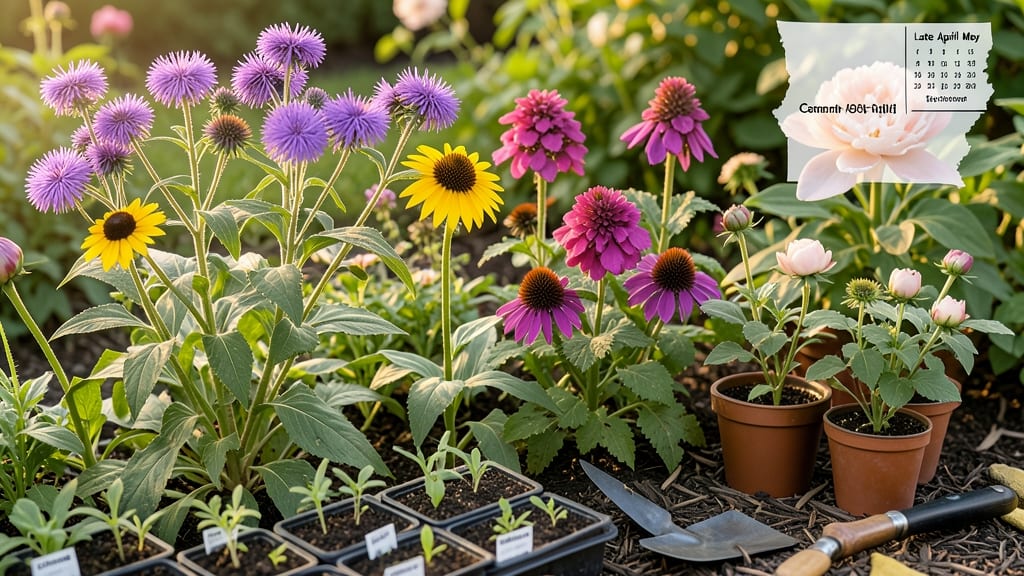
To plant flowers in New Hampshire after the last frost—typically mid-April to early May—sets you up for a vibrant garden, but timing varies wildly across the state’s microclimates.
New Hampshire’s unpredictable frost dates can turn a beautiful flower garden into a risky gamble unless you know the exact timing for your microclimate.
Whether you’re in the coastal warmth of Portsmouth or the chilly valleys of the White Mountains, planting too early or late can mean the difference between a blooming paradise and a sad, frost-nipped disappointment.
Most annuals and perennials thrive when soil temperatures hit 60°F, a cue that the worst of winter’s chill has passed. But in USDA zones 5a-6b, that window can shift by weeks—even within the same county.
Coastal areas often warm up faster, while inland valleys linger in frost longer, making local frost-date records your best friend.
Below, I break down the ideal planting windows for spring and fall bloomers, how to adjust for late frosts, and which flowers handle NH’s quirks best. No more guessing—just confident, blooming success.
New Hampshire frost dates by region: when to plant flowers safely
New Hampshire’s diverse microclimates create a gardening puzzle—what’s perfect for Portsmouth’s coastal warmth might freeze in White Mountain valleys. Understanding your last frost dates is the key to avoiding frost damage and maximizing bloom time.
Whether you’re planting annuals, perennials, or spring bulbs, timing varies by USDA zones 5a-6b and elevation. Let’s break it down by region so you can plant with confidence.
First, grab your USDA zone map—most of NH falls in zones 5a-6b, but elevation changes everything. Coastal areas like Dover or Rye often see last frosts by mid-April, while inland valleys (e.g., Concord or Manchester) average late April to early May.
High-elevation spots like Mount Washington can delay last frosts until mid-May. These differences mean your petunias might thrive in Portsmouth but shiver in North Conway.
Here’s the summary-table with exact planting windows for each region, plus plant-specific tips to avoid common mistakes like frost-nipped foliage or bolting annuals.
For spring bulbs like tulips or daffodils, plant them in fall (September–October)—they’ll naturalize and bloom earlier than annuals. In coastal areas, you can even tuck in hardy annuals like pansies as early as late March under row covers for a head start.
But inland? Wait until after Mother’s Day to avoid frost surprises.
Pro tip: Use a soil thermometer to confirm 60°F soil temps before planting warm-season annuals like geraniums or petunias. Cold soil slows germination, and soggy roots invite disease.
If your last frost date is uncertain, opt for cold-hardy varieties like snapdragons or stock flowers, which tolerate 28°F without damage.
Don’t forget fall planting! Many perennials and bulbs love cooler weather. Plant fall-blooming bulbs like crocuses or aster lilies in August–September for late-summer color. Even annuals like marigolds can be sown in late July for fall blooms before the first frost.
To refine your schedule, cross-reference your region with the USDA zone map and local Almanac frost predictions. For example, Laconia’s zone 5a might need 2 weeks later than Portsmouth’s zone 6b.
When in doubt, start seeds indoors 6–8 weeks before your last frost date—this buys you flexibility if spring runs late.
Finally, extend your season
How to adjust planting times for NH’s unpredictable weather patterns
New Hampshire’s unpredictable frost dates can throw off even the most experienced gardener. One year, your tender annuals might survive a late April frost, while the next, a sudden May freeze wipes out your tomato seedlings before they sprout.
The key to success? Flexible timing strategies that account for soil temperature, microclimates, and cold-hardy varieties.
Instead of relying on average frost dates, I’ve learned to use a three-step approach: soil temperature checks, cold-hardy variety selection, and protective row covers.
For example, my pansies in Zone 5a often bloom by mid-April under row covers, while my impatiens wait until late May—unless I’m using a greenhouse.
⚠️ callout-warning
For early spring planting, I prioritize cold-hardy annuals like snapdragons and stock flowers, which can handle light frosts. These varieties thrive when planted 4-6 weeks before your average last frost date, giving them time to establish roots.
Meanwhile, heat-loving flowers like marigolds and zinnias need to wait until after Memorial Day in most of NH.
Row covers are my secret weapon against late frosts. A lightweight floating row cover (like Agribon) can raise soil temperatures by 5-8°F, letting me plant petunias in early May instead of June. Just remember to remove covers during the day in 70°F+ weather to prevent overheating.
If a sudden cold snap threatens, I use cloche tunnels or cold frames to protect young seedlings. For example, my geraniums in raised beds stay safe under a clear plastic dome until nighttime temps rise above 40°F.
Even perennials like black-eyed Susans benefit from a lightweight blanket during late spring frosts.
Finally, I always keep a planting journal to track what works in my specific microclimate. Last year, my cosmos self-seeded and bloomed by June 15th—a full month earlier than expected.
By noting these patterns, I’ve learned to adjust planting times proactively, not reactively. The result? A longer bloom season with fewer losses to unpredictable weather.