
Flowers
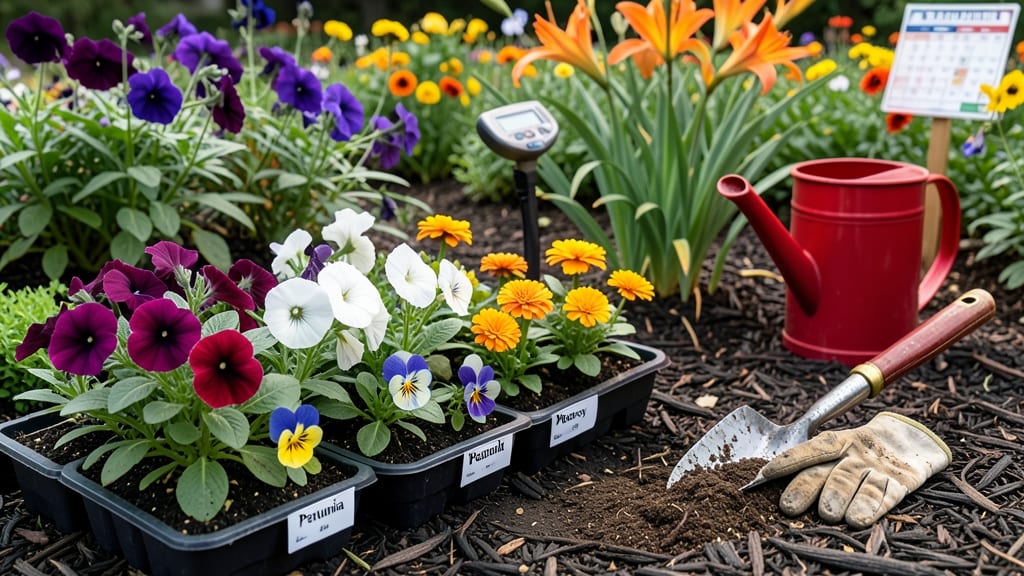
Planting flowers in Philadelphia at the right time means the difference between a garden bursting with color and one that wilts before it blooms.
Philadelphia’s unpredictable spring weather can turn your flower planting into a gamble—unless you know the exact frost-free windows to maximize blooms. Avoid wilting disappointment by timing your garden perfectly for the city’s USDA Zone 6b/7a climate.
Most annuals and perennials thrive when planted after the last frost date, around mid-April, but some varieties—like cold-hardy pansies—can handle an earlier start in March. Meanwhile, heat-loving marigolds wait until May to avoid stress.
Below, I’ll break down the best months for each flower type, how to prep your soil, and 5 critical factors that can shift your timeline by weeks—so you get blooms all season long.
Philadelphia’s frost-free planting calendar by flower type
Timing your flower planting in Philadelphia means working with a 165-day frost-free window that typically runs from April 15 to November 1. But not all flowers thrive on the same schedule—some like pansies can handle early spring, while marigolds prefer waiting until late May.
Understanding these differences ensures your garden blooms beautifully without frost damage.
Philadelphia’s USDA Zone 6b/7a climate means we can grow a stunning variety of flowers, but the key is knowing when to plant each type. Cold-hardy annuals like pansies and snapdragons can go in as early as March, while heat-loving zinnias and cosmos should wait until June.
Below, I’ve broken down the best planting times for your favorite flowers.
| Flower Type | Best Planting Month | Notes |
|---|---|---|
| Cold-Hardy Annuals | March–April | Pansies, snapdragons, sweet alyssum |
| Tulips & Daffodils | October–November (fall) or March (spring) | Plant bulbs 6–8 weeks before first frost |
| Petunias & Geraniums | April–May | Wait until after last frost for best results |
| Marigolds & Zinnias | May–June | Heat-tolerant; avoid early planting |
| Impatiens & Coleus | May–June | Shade-loving; plant after soil warms |
| Perennials (e.g., Coneflowers) | April–May | Divide or transplant in early spring |
For cold-hardy annuals, I recommend starting in March if you’re planting pansies or violas. These flowers can handle light frosts and even bloom in cooler weather, making them perfect for early-season color. Just cover them with row fabric if a late frost is forecasted.
If you’re planting bulbs like tulips or daffodils, fall is the best time—aim for October to November. This gives the bulbs time to establish roots before winter. For spring planting, March is ideal, but avoid disturbing the soil too early in the season.
For heat-loving annuals like marigolds or zinnias, wait until May or June to plant. These flowers thrive in warmer temperatures and can even handle Philadelphia’s summer heat. Planting them too early can stunt their growth or cause them to bolt.
Don’t forget about shade-loving flowers like impatiens or coleus. These can be planted as late as June in Philadelphia, as they prefer cooler conditions and can handle partial shade. They’re perfect for adding color to shady spots in your garden.
Perennials like coneflowers or black-eyed Susans should be planted in April or May. If you’re dividing existing plants, early spring is the best time to give them a head start before the summer heat sets in.
Pro tip: Always check the soil temperature before planting. For most flowers, aim for 60°F (15°C) or warmer. You can use a soil thermometer to monitor this, especially if you’re planting in early spring or late fall.
By following this frost-free planting calendar, you’ll ensure your Philadelphia garden stays vibrant all season long—from early spring blooms to late-summer color. Happy planting! 🌸
5 Critical factors that change your planting timeline in Philly
Philadelphia’s urban heat island effect and microclimates can shift your planting window by 2–3 weeks—meaning what works in Center City might fail in Chester County.
The city’s concrete and asphalt trap heat, creating warmer pockets where tender plants like marigolds can thrive earlier, while suburban areas with more greenery stay cooler longer.
Don’t rely on the average last frost date (April 15) without checking your specific neighborhood. For example, University City often sees frost-free conditions by April 10, while South Philadelphia might wait until April 22.
This variance means cold-hardy pansies could go in March in some spots but need to wait in others.
Soil temperature is another game-changer. Most flowers need soil at 60°F (15°C) to root properly. In Philly, this typically happens by mid-April, but raised beds warm up faster—sometimes by late March—while shady garden corners lag behind. Use a soil thermometer to confirm readiness before planting.
🌱 5 Ways Philly’s Climate Shifts Your Planting Window
- 📍 Microclimates: Center City’s heat island lets you plant zinnias by May 1, while suburbs may wait until May 15.
- 🌡️ Soil Temp: Raised beds hit 60°F 2 weeks earlier than in-ground soil. Test with a thermometer!
- 🌆 Urban Heat: South-facing walls can be 10°F warmer—ideal for heat-loving geraniums but risky for cool-season snapdragons.
- 🌬️ Wind Exposure: Windy areas (e.g., Schuylkill River front yards) dry out faster—delay planting until soil stabilizes.
- 📊 NOAA Data: Check Station PHL for 10-day forecasts to time frost-sensitive petunias perfectly.
Philadelphia’s wind patterns also play a role. Areas near the Schuylkill River or Delaware River experience stronger winds, which dry out soil and stress young plants.
If your garden is exposed, wait until late April to plant delicate annuals like impatiens, or use windbreaks like bamboo fencing to protect them.
For real-time adjustments, bookmark the NOAA Station PHL page (https://www.weather.gov/phl/). Their 10-day forecasts and soil temperature maps show when your neighborhood hits the 60°F threshold.
Pro tip: Set a calendar reminder for April 15 but cross-check with NOAA’s weekly updates—this helps you avoid planting tender basil too early and risking frost damage.
Finally, consider fall planting for cool-season flowers like pansies and calendulas. Philly’s first frost usually hits November 1, but these hardy varieties can be planted as late as September 15—giving you 6–8 weeks of color before winter. Use mulch to insulate roots and extend their season.