
Flowers
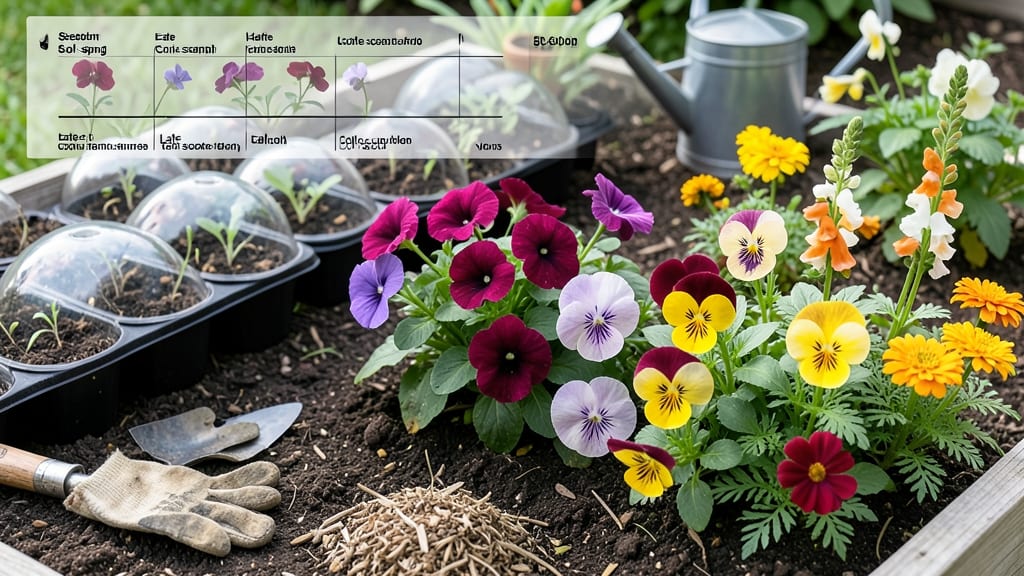
Planting flowers in Seattle means timing it just right—after the last frost date in spring or 6-8 weeks before the first frost in fall for perennials.
Seattle’s mild yet unpredictable coastal climate can make timing your flower planting tricky—plant too early and risk frost, too late and miss peak blooms. Mastering the perfect planting windows ensures vibrant gardens year-round, whether you’re growing annuals, perennials, or hardy natives.
With USDA Zone 8a conditions, your best bets are March through May for spring blooms and September to October for fall perennials. But microclimates—like urban heat islands or Puget Sound’s coastal winds—can shift those windows by weeks.
Below, I’ll break down the exact months for each flower type, how to adjust for Seattle’s quirks, and the top 5 climate-proven flowers that thrive here—no guesswork required.
Seattle flower planting calendar by season: best months for annuals, perennials, and bulbs
Seattle’s USDA Zone 8a climate offers a 180-day frost-free season, but coastal winds and rainfall patterns create microclimates that demand precise timing. Urban areas like South End warm faster than North End neighborhoods, while rain shadow zones (like Magnolia) get drier summers.
To thrive, flowers need soil temps above 50°F and consistent moisture—especially in Seattle’s wet springs.
For annuals, aim to plant after May 15 when nighttime temps stay above 50°F. Perennials and bulbs have wider windows but still need 6-8 weeks before first frost (mid-November) to establish roots. Native flowers like Pacific Coast iris and blanket flower are the most forgiving—adapting to partial shade and occasional drought.
⚠️ Key Rule: Always check soil temperature (use a soil thermometer) before planting—55°F+ for most flowers, 60°F+ for heat-loving annuals like zinnias.
In urban microclimates, South End gardens can plant zinnias and sunflowers by May 1, while North End wait until May 15 to avoid late frost. For suburban areas, rain shadow zones (like Magnolia) allow earlier planting of drought-tolerant annuals like blanket flower.
Seattle’s wet springs mean soil prep is critical. Amend clay-heavy soil with compost in February–March to improve drainage. Container gardens in urban areas dry faster—water daily in summer if pots lack drainage holes. Mulch heavily (3–4 inches) to retain moisture and regulate soil temperature.
Pro Tip: Use cold frames or row covers to extend the season. I’ve successfully grown pansies from September to May in a low tunnel—even in Zone 8a. Start with slow-release fertilizer in early spring to avoid burning tender roots.
For
How to adjust planting times for Seattle’s microclimates and frost risks
Seattle’s microclimates can shift planting windows by weeks—especially when comparing the South End’s urban heat islands to the North End’s rain shadow zones. The Puget Sound winds add another layer, making frost risks unpredictable.
For example, tender annuals like petunias thrive 2 weeks earlier in the South End (Zone 8b) than in the North End (Zone 7b).
To navigate these variations, I recommend staggered planting and protective tools like row covers or cold frames. These strategies help you avoid the two biggest Seattle planting mistakes: planting too early (risking frost damage) or planting too late (missing peak bloom seasons).
Here’s how to adjust your timing based on Seattle’s three key microclimates—urban, suburban, and coastal—plus when to use frost protection.
- Warmer soil = earlier planting (2-3 weeks ahead)
- Longer growing season for tender annuals
- Less frost risk in spring
- Drier soil = needs more watering
- Heat stress for shade-loving plants
- Pests thrive in warm microclimates
- Cooler temps = later frost dates
- More moisture = less watering needed
- Better for shade-tolerant flowers
- Shorter growing season (plant 2-3 weeks later)
- Higher frost risk in fall
- Slower soil warming in spring
Pros: Salty air = fewer pests | Cons: Windburn = needs windbreaks
For urban heat islands, plant tender annuals like geraniums and marigolds 2-3 weeks earlier than the general Seattle guideline. Use shade cloth if temperatures exceed 85°F to protect heat-sensitive varieties.
In rain shadow areas, delay planting until after May 15 to avoid late frosts, which can still occur through June.
Puget Sound’s coastal winds create another challenge: windburn can damage young plants. Use windbreaks (like burlap screens) or plant wind-resistant varieties like blanket flowers and Russian sage. If you’re growing delicate flowers (e.g., snapdragons), consider a cold frame or row cover until the soil reaches 60°F.
My top tip? Stagger your planting by 2-week intervals. For example, sow half your zinnias in late April and the rest in early May. This ensures continuous blooms and reduces the risk of losing your entire crop to a single frost event.
Pair this with soil thermometers—plant when soil temps hit 55°F for cool-season flowers or 65°F for warm-season varieties.
Finally, watch for local frost alerts from the National Weather Service. Seattle’s first frost date averages November 15, but coastal areas can see frost as late as December. Adjust your fall perennials planting to 6-8 weeks before your zone’s first frost—and always use mulch to insulate roots.
🌱