
Flowers
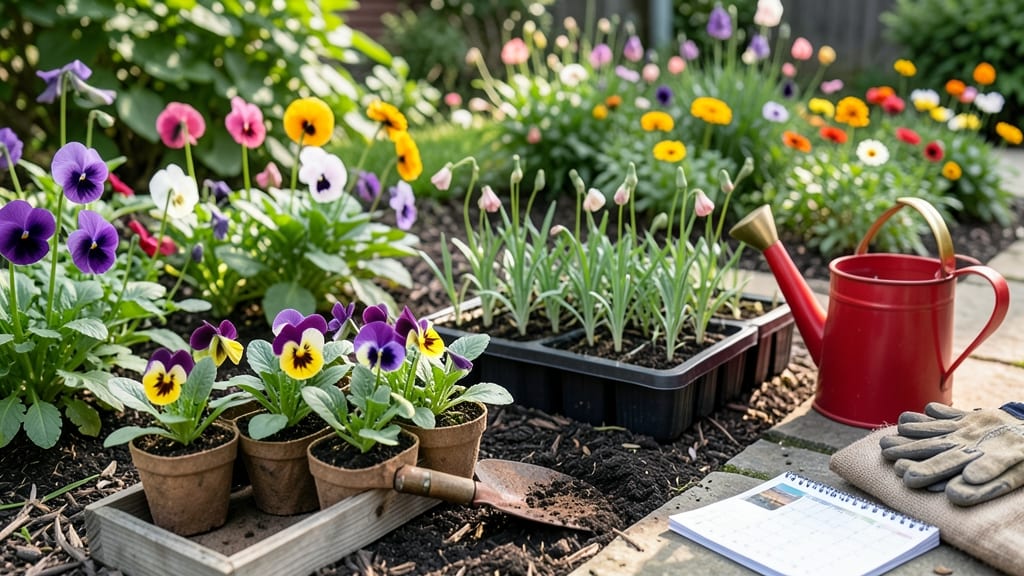
To plant flowers in spring at the right time means waiting until after your last frost date — typically mid-April in Zone 6a — when soil temperatures hit 60°F and the moon is in its root-building phase.
Timing your flower planting with spring’s moon phases isn’t just old folklore—it can boost root strength, bloom vibrancy, and even drought resistance. But with frost risks and varying climates, when exactly should you plant?
The answer depends on whether you’re sowing bulbs, annuals, or perennials, and how your local spring unfolds.
Early spring planters often rush, risking frost damage to tender shoots, while late starters miss the ideal window for established roots before summer heat arrives. The key is balancing soil warmth, lunar cycles, and your region’s last frost date to give your 🌸 flowers the strongest possible start.
In this guide, I’ll break down the best moon phases for each flower type, climate-specific planting windows for Zones 3–10, and a foolproof checklist to avoid common mistakes. Whether you’re a seasoned gardener or a first-time planter, these secrets will help your blooms thrive all season long.
Best moon phases for spring flower planting by plant type
Spring’s moon phases aren’t just poetic inspiration—they directly impact how well your flowers grow. The waxing moon (when the moon is growing brighter) boosts root development, while the waning moon (when it’s shrinking) supports foliage and blooms.
For spring planting, timing with these phases can mean the difference between weak stems and vigorous plants with vibrant blooms.
Understanding these lunar cycles helps you avoid common mistakes like planting bulbs during a full moon (which can lead to leggy growth) or sowing annuals during a waning crescent (slowing their establishment). Let’s break down the best moon phases for each flower type to maximize your garden’s potential this season.
🌱 Pro Tip: Always check your local last frost date first—moon phases won’t override frost damage. Pair lunar timing with soil warmth (aim for 60°F+) for the best results.
For bulbs, the waning gibbous phase is ideal because it mimics natural autumn conditions, helping them establish deep roots before dormancy. Plant tulips and daffodils in late summer or early spring during this phase for stronger stems and larger blooms next season.
If you’re planting annuals like marigolds or zinnias, the waxing crescent phase is your best friend. This phase aligns with early spring’s natural growth surge, giving your plants a head start on root development. Aim to sow seeds 2–3 days after the new moon for optimal results.
Perennials like roses and lavender thrive when planted during the first quarter to waxing gibbous phases. This timing ensures a balance between root growth and top growth, preventing the leggy, weak stems that often plague poorly timed plantings. For cut flowers, prioritize the waxing gibbous phase to grow taller, sturdier stems perfect for bouquets.
One common mistake is planting any flower type during the last quarter phase, which can lead to weak stems and poor blooming. The moon’s gravitational pull during this phase drains energy from the roots, making plants more susceptible to disease and pests.
Always double-check your moon phase calendar before digging
Climate-specific planting windows for spring flowers
Spring flower planting isn't one-size-fits-all—your USDA zone and local microclimate dictate the perfect timing. In colder Zones 3–5, wait until after the last frost date (usually late April–early May), while Zones 6–10 can start as early as February–March for heat-loving varieties.
Soil temperature matters too: aim for 60°F or warmer to prevent stunted growth.
Regional variations also play a role. Coastal areas with milder winters may have earlier planting windows, while inland regions face later frost risks. Below, I’ve broken down the ideal planting windows by zone, including flower varieties that thrive in each climate—plus a checklist to ensure success.
- 📍 Zones 3–5: Plant after last frost (late April–May). Best flowers: Pansies, Sweet Alyssum, Lupines.
- 📍 Zones 6–7: Start early March–April. Ideal picks: Tulips, Dahlias, Black-Eyed Susans.
- 📍 Zones 8–9: Plant February–March. Top choices: Marigolds, Petunias, Zinnias.
- 📍 Zone 10: Year-round planting possible. Best for: Geraniums, Snapdragons, Impatiens.
For annuals, like marigolds or zinnias, plant seeds directly after your zone’s frost-free date. Perennials, such as peonies or daylilies, benefit from early planting (Zones 6–10) to establish roots before summer heat. Bulbs, like tulips or daffodils, should go in the ground 6–8 weeks before frost in colder zones.
Microclimates can shift planting times by 2–4 weeks. A south-facing slope warms faster, while low-lying areas hold frost longer. Use frost cloth for early starts in Zones 3–5 if nighttime temps dip below 32°F. Always check your local cooperative extension service for precise frost dates.
Once planted, mulch with 2–3 inches of organic matter to retain moisture and regulate soil temperature. Water deeply once a week (more in Zones 8–10humid climates.
Remember, late spring (June) is still safe for heat-tolerant annuals like cosmos or sunflowers. But for cool-season flowers, like snapdragons, act fast—delaying past the ideal window risks leggy, weak plants. With these zone-specific guidelines, your spring blooms will be vibrant and bountiful.