
Plants
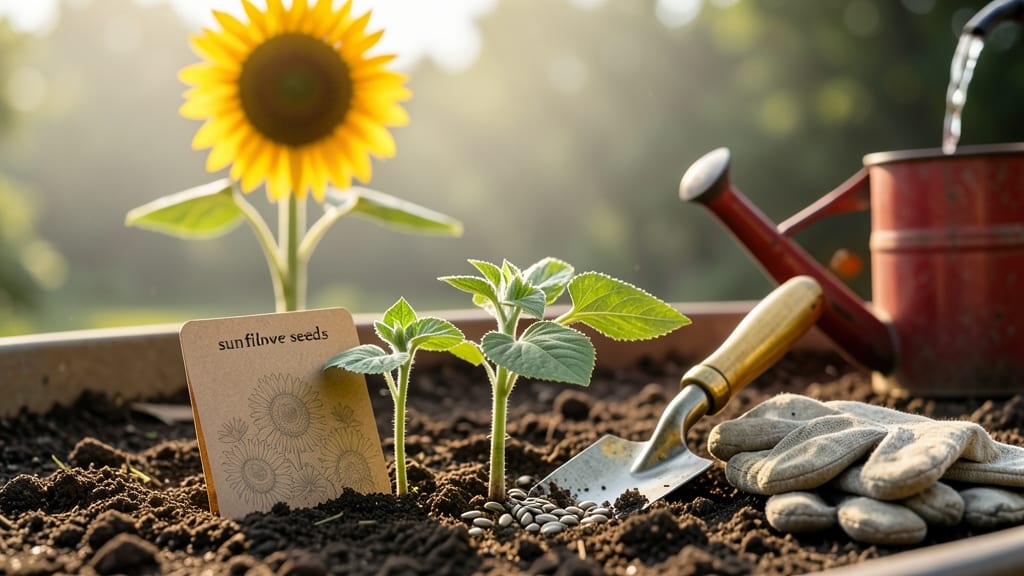
Planting sunflower seeds in Kansas means timing them perfectly between mid-April and mid-June—or your towering 🌻 dreams could shrivel before they bloom.
You’ve got just 60 days between the last frost and summer’s scorching heat, and missing that window means either frost-nipped sprouts or sunflowers bolting before they mature. The stakes are high, but with the right schedule, you’ll get stalks that stretch toward the sky—literally, some reach 14 feet tall.
Kansas’ 5b-7a zones split the state into two planting personalities: Eastern Kansas can start in early April, while western areas wait until late April or May. Soil temperature is the real secret—wait until it hits 55°F at least an inch deep, or your seeds will rot in the cold.
Inside, you’ll find the exact month-by-month planting calendar for your region, soil prep tricks to speed up germination, and how to stretch the season with row covers. Let’s get those seeds in the ground when they’ll thrive.
Kansas sunflower planting calendar: exact months by microclimate
Kansas’ diverse climate—from the humid eastern plains to the drier western regions—means sunflower planting times vary dramatically. In eastern Kansas (like Kansas City), the last frost typically hits by mid-April, while western Kansas (such as Wichita) often waits until late April.
Even Topeka, nestled in the center, has its own microclimate quirks. Getting these dates right ensures your sunflowers grow tall, vibrant, and frost-free all season.
Sunflowers are warm-season plants, so they need soil temperatures above 55°F to germinate. In Kansas, this usually aligns with late April to early May, but early varieties can handle slightly cooler soils.
If you’re in a cooler microclimate (like northern Kansas), use black plastic mulch to warm the soil faster. For western Kansas, where heat arrives earlier, you can start as soon as mid-April.
Here’s the breakdown by region—planting windows tailored to Kansas’ USDA Zones 5b-7a:
In eastern Kansas, where humidity lingers, late April is your sweet spot. The soil warms quickly, and the risk of frost drops sharply. For Kansas City, aim for April 25–May 10—this gives your sunflowers a 120-day growing season before the first frost in mid-October.
In contrast, western Kansas (like Wichita) can plant as late as early June because the drier climate delays soil warming but also reduces early-season pests.
If you’re growing giant sunflowers (like Russian Mammoth), start seeds indoors in late March and transplant after the last frost. For shorter varieties (such as Teddy Bear), direct sow in mid-May to avoid heat stress during Kansas’ summer heat waves.
Always check your local NOAA frost forecast—a late frost can wipe out seedlings in 3 days.
Pro tip: Use a soil thermometer to confirm 55°F+ soil temps before planting. In Topeka, where April can swing between 30°F and 80°F, wait until the ground stays warm for 3 days.
For western Kansas, where nights stay cooler, consider row covers to protect young plants from unpredictable frosts.
One common mistake? Planting too early in northern Kansas (like Hays) and risking frost damage. The first frost can hit as early as October 1 in some areas, so time your late varieties to mature by mid-September.
For Wichita, where summers are hotter and drier, focus on early June plantings to avoid bolt stress from extreme heat.
How to adjust planting time for sunflower varieties in Kansas
Not all sunflowers grow at the same pace, and Kansas’ variable climate demands precision. Russian Mammoth varieties need 120 days to reach their 14-foot glory, while Teddy Bear sunflowers mature in just 50 days.
Planting a giant variety too late means it’ll bolt before flowering, while shorter types can handle a later start. Your variety choice dictates your planting window.
For tall varieties like Russian Mammoth, aim for early April in eastern Kansas or mid-April in western areas. Shorter varieties like Teddy Bear can wait until late April or early May, giving you flexibility if spring is slow to warm up.
Always check your last frost date—planting too early risks frost damage to tender sprouts.
Soil temperature is your real clock: seeds won’t sprout until the soil reaches 55°F at least an inch deep. Use a soil thermometer to avoid guesswork. In cooler western Kansas, this might mean waiting until mid-May for giant varieties, while eastern areas can start earlier. Black plastic mulch can warm soil by 5-10°F, giving you a 2-week head start.
Plant seeds 1 inch deep and 6 inches apart—crowding stresses plants and reduces head size. Thin seedlings to 12-24 inches apart once they’re 3 inches tall. For giant varieties, space them 3 feet apart to prevent shading and disease. Well-draining soil is non-negotiable; sunflowers hate soggy roots.
Extend your season with row covers or black plastic mulch. Row covers protect late starts from light frosts and can add 2-3 weeks to your growing window.
Black plastic mulch warms soil faster, helping giant varieties like Russian Mammoth get an earlier start. Just remove covers when flowers appear to prevent pollination issues.
Kansas’ dry winds can stress young plants, so mulch with straw or grass clippings to retain moisture. Water deeply once a week during dry spells, focusing on the root zone.
With the right timing and care, your sunflowers will reach their full potential—just in time for Kansas’ golden harvest season.