
Plants
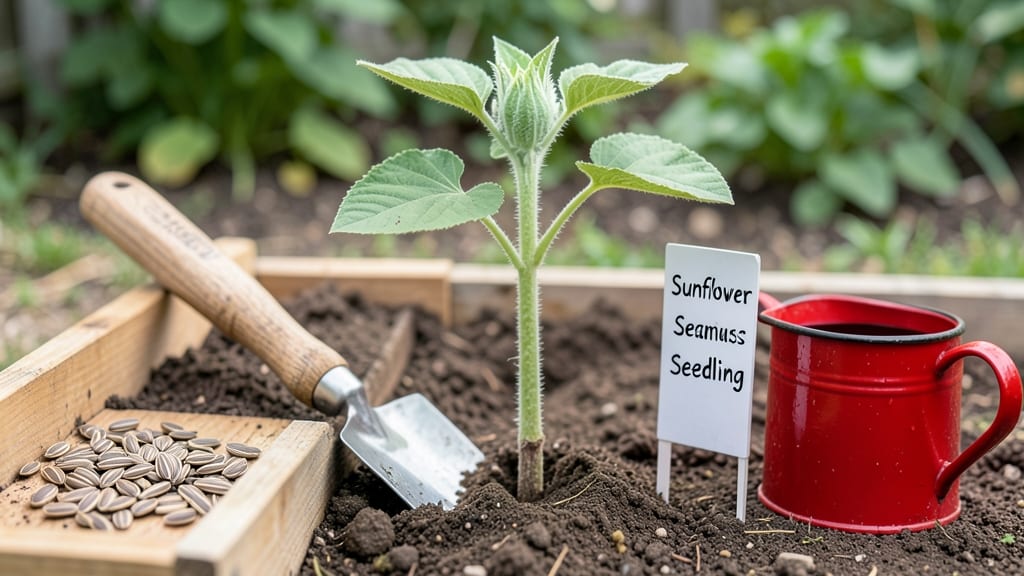
Plant sunflower seeds in New Jersey after your last frost date—mid-April in most zones, earlier in the south—to give them 120+ frost-free days to reach maturity.
Get this wrong, and you’ll end up with leggy, weak stems or—worse—frost-nipped seedlings before they even bloom. The good news? NJ’s climate lets you plant twice a year, with a fall window for late-summer varieties.
Below, I break down the exact planting windows by county, soil prep tips to speed up germination, and how to adjust for urban heat islands or windy coastal spots.
You’ll also find the best sunflower varieties for NJ’s short vs. long seasons, plus pro tips to stretch your growing window by 2–3 weeks—no black magic, just smart timing.
NJ county-specific sunflower planting dates by heat zone (2024 guide)
New Jersey’s diverse heat zones (6b-7a) create unique planting windows for sunflowers, where timing directly impacts germination success and bloom height. Northern counties like Sussex (6b) face earlier frosts, while southern regions like Cape May (7a) enjoy extended growing seasons.
Understanding these last-frost dates and soil temperature thresholds ensures your sunflowers reach their full 10-15 foot potential.
For optimal results, plant sunflower seeds when soil temperatures consistently reach 55°F (13°C)—a critical threshold for germination. Most NJ counties hit this mark between mid-April and early May, but microclimates (urban vs. rural) can shift this window by 1-2 weeks.
Fall planting is possible in USDA zone 7a counties, where first frosts arrive after October 30.
Below is your county-by-county guide, organized by USDA heat zone, including ideal planting windows, soil temperature requirements, and last-frost dates to help you plan for towering sunflowers this season.
| County | USDA Zone | Last Frost Date | Ideal Planting Window | Soil Temp Threshold | Fall Planting? |
|---|---|---|---|---|---|
| Atlantic | 7a | April 5 | April 15 - May 15 | 55°F (13°C) | Yes (Sept 1-15) |
| Bergen | 6b | April 20 | May 1 - May 20 | 55°F (13°C) | No |
| Burlington | 6b | April 15 | April 25 - May 10 | 55°F (13°C) | No |
| Cape May | 7a | April 5 | April 10 - May 10 | 55°F (13°C) | Yes (Sept 1-15) |
| Essex | 6b | April 18 | May 1 - May 15 | 55°F (13°C) | No |
| Gloucester | 7a | April 10 | April 20 - May 10 | 55°F (13°C) | Yes (Sept 1-15) |
| Hudson | 6b | April 18 | May 1 - May 15 | 55°F (13°C) |
How to adjust sunflower planting for NJ’s microclimates (urban vs. rural)New Jersey’s urban heat islands can push soil temperatures 5–10°F warmer than rural areas, while coastal winds in Cape May or Atlantic County create chillier microclimates. These differences shift your sunflower planting window by 2–3 weeks—sometimes earlier or later than the county average. For example, a rural garden in Sussex County (USDA Zone 6a) might safely plant sunflowers by April 20, while a paved urban yard in Newark (Zone 7a) could start as early as March 25 thanks to retained heat. Meanwhile, sandy coastal soils in Ocean County may need a 2-week delay to avoid frost damage. Below, I’ll show you how to adjust planting dates based on your microclimate, plus soil and wind strategies to maximize success in both northern NJ’s shorter seasons and southern NJ’s extended heat.
⚠️ Warning: Urban Heat Trap Risk!
If your garden sits near pavement or buildings, soil can overheat—triggering premature germination or bolt before blooming. Test soil temp with a thermometer; ideal planting temps are 60–70°F. In urban areas, wait until soil hits 65°F before sowing. In northern NJ (Morris, Sussex), where frost lingers until mid-May, opt for early-maturing varieties like 'Moulin Rouge' (50–55 days) and plant after May 1. Use black plastic mulch to warm soil 2–3°F faster and extend the season by 10–14 days. Conversely, southern NJ (Cape May, Atlantic) enjoys 180+ frost-free days, letting you plant twice a year: March 15–April 15 for spring blooms and July 15–August 1 for fall harvests. Here, prioritize heat-tolerant varieties like 'Autumn Beauty' and stake tall stems to prevent wind damage from coastal breezes. For windy or exposed sites, plant sunflowers near fences or hedges to reduce stem breakage. In urban containers, choose dwarf varieties (2–4 ft tall) like 'Teddy Bear' and water daily to compensate for fast-draining soils. Pro tip: Use a row cover for 2–3 weeks post-planting in northern zones to accelerate germination by 5–7 days. In southern zones, shade cloth can prevent heat stress during July–August planting. |