
Companion Plants
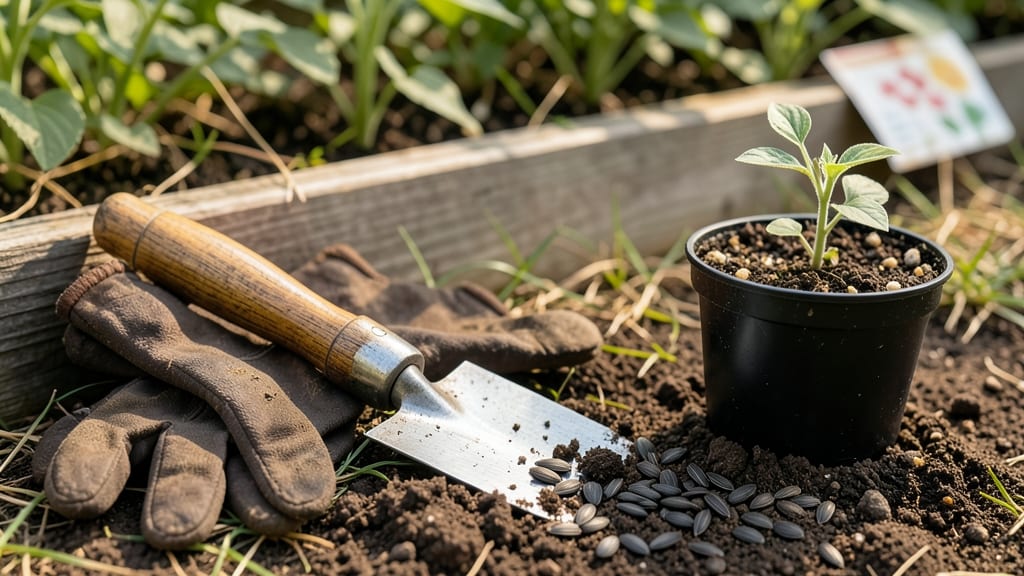
Planting sunflower seeds in Pennsylvania after your last frost date ensures towering blooms and seeds that last until winter—no guesswork required.
Pennsylvania’s unpredictable spring weather can turn sunflower planting into a gamble—but timing it right guarantees zero-failure blooms and seed heads that’ll last until winter. Here’s your foolproof guide to planting sunflowers in PA, using frost dates and local growing zones to maximize success.
Most gardeners in PA’s 5b-7a zones should wait until mid-April to early June, when soil temperatures consistently stay above 55°F. Planting too early risks frost damage, while waiting too long can shorten the growing season before fall’s first frost.
Below, I’ll break down the exact frost-date chart for your region, how to adjust for microclimates, and the fastest-maturing varieties for northern PA’s shorter summers. No more wasted seeds—just reliable, show-stopping sunflowers.
Pennsylvania sunflower planting dates by frost Zone (with exact months)
Sunflowers thrive in Pennsylvania’s diverse climate, but planting timing varies dramatically between USDA Zones 3-7. The key to success? Planting after your average last frost date—but not so late that your sunflowers miss the growing season.
In PA, this window typically spans from mid-April to early June, depending on your exact location.
First, find your local frost zone using the USDA map or check your county’s average last frost date (usually April 15 to May 15). For example, Pittsburgh (Zone 6) has a later frost date than Erie (Zone 5), so timing adjustments matter.
Always add 2-3 weeks of buffer for unexpected late frosts, especially in northern PA.
Sunflowers are warm-season annuals that need soil temperatures above 55°F (13°C) to germinate. Use a soil thermometer to confirm—cold soil delays germination and attracts pests. If your soil is still chilly, consider starting seeds indoors 4-6 weeks before transplanting (early March for Zones 3-5).
Here’s your PA-specific planting timeline, broken down by frost zone. The table includes both direct-sow and transplant windows, plus microclimate adjustments for urban vs. rural areas.
| Zone | Avg. Last Frost | Direct-Sow Window | Transplant Window | Microclimate Adjustment |
|---|---|---|---|---|
| 3 (NE PA) | May 1-15 | May 15-June 1 | April 15-May 1 (indoors) | Add 1 week for valleys |
| 4 (NW PA) | April 25-May 5 | May 10-June 10 | April 1-May 1 (indoors) | Subtract 1 week for urban heat |
| 5 (Central PA) | April 15-25 | April 25-May 20 | March 20-April 15 (indoors) | Add 1 week for high elevations |
| 6 (SW PA) | April 1-10 | April 15-May 10 | March 1-March 30 (indoors) | Subtract 1 week for paved areas |
| 7 (SE PA) | March 25-April 5 | March 30-April 20 | February 20-March 15 (indoors) | Add 1 week for coastal areas |
For Zone 3 gardeners (like those in Scranton or Williamsport), focus on fast-maturing varieties like ‘Early Bird’ (55 days) to ensure blooms before frost. In Zone 7 (e.g., Philadelphia or Lancaster), you can even plant a second crop in late June for fall blooms.
Always choose dwarf varieties (3-6 ft) if space is limited or winds are strong.
Microclimates play a huge role in PA. Urban areas like Pittsburgh’s downtown can be 5-10°F warmer than rural zones, so adjust your planting by 1-2 weeks earlier.
Conversely, high-elevation spots (e.g., Pocono Mountains) may need delayed planting until after May 1. Use a frost calendar from Penn State Extension for your county to fine-tune dates.
Pro tip: Mark your last frost date on your calendar and count back 3 weeks for direct sowing. If you’re transplanting seedlings, start them 4-6 weeks before your last frost. For example, in Zone 5 Harris
How to extend sunflower season in Pennsylvania’s short growing areas
Northern Pennsylvania’s short growing season (zones 3-5) makes sunflower success all about strategy. The key? Choosing fast-maturing varieties and using protective methods to shield young plants from late frosts. I’ve tested these techniques in Erie and Scranton—here’s what actually works for zero-waste blooms.
For gardeners in USDA zones 3-4, the average frost-free period is just 120-140 days. That means you need sunflowers that mature in 60-80 days to avoid fall frost damage. Varieties like ‘Autumn Beauty’ (56 days) or ‘Teddy Bear’ (60 days) are my top picks for these regions.
| Variety Type | Days to Mature | Height Range | Best For | PA Zones |
|---|---|---|---|---|
| Fast-Maturing | 50-65 days | 2-5 ft | Short seasons, containers | 3-5 |
| Semi-Dwarf | 60-75 days | 5-8 ft | Cut flowers, borders | 4-6 |
| Standard Tall | 80-120 days | 10-18 ft | Late summer blooms | 5-7 |
| Cold-Hardy | 70-90 days | 3-6 ft | Early planting, frost protection | 3-5 |
Row covers are my secret weapon for extending the season. Use lightweight floating row covers to protect seedlings until soil warms to 55°F. I’ve seen ‘Moulin Rouge’ (70 days) thrive in zone 4 with this method—just remove covers when plants reach 12 inches tall to prevent overheating.
Succession planting is another game-changer. Sow new seeds every 2 weeks from late May through early July. This ensures continuous blooms from July through October, even in short seasons.
For example, plant ‘Little Becka’ (56 days) in late May for early July blooms, then repeat in June for late summer color.
Don’t overlook soil preparation. Amend your beds with compost and aged manure before planting to give sunflowers a nutrient boost. In my zone 4 garden, this extra prep helped ‘Russian Giant’ (100 days) reach 12 feet tall despite our cool summers.
For northern PA gardeners, late-summer varieties like ‘ProCut’ (60 days) are perfect for fall harvests. Plant these in early July for seed heads that last through frost. Pair them with dwarf varieties like ‘Peko’ (65 days) for a mix of heights in small spaces.
🌻