
Flowers
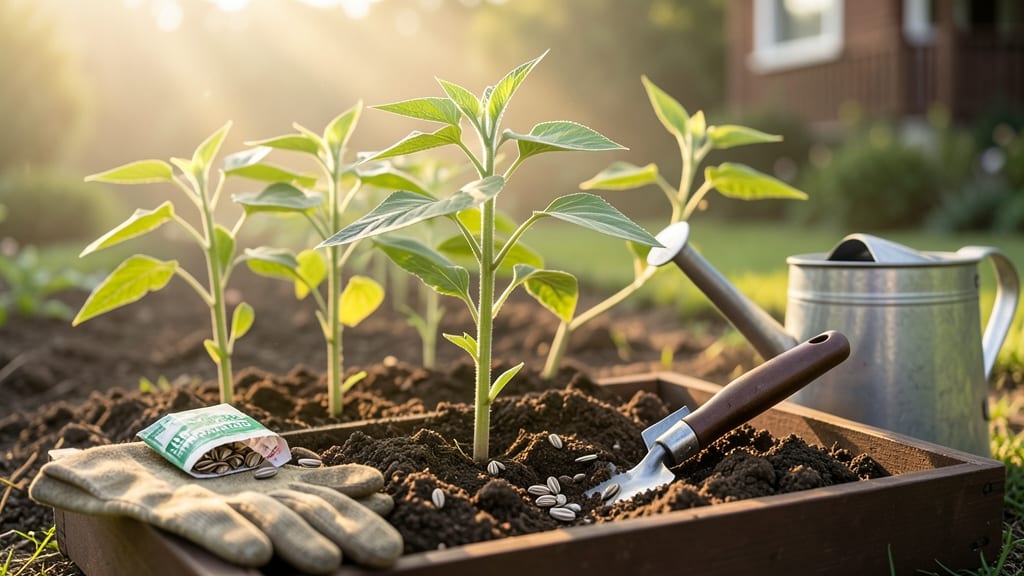
Planting sunflowers in California at the right time means the difference between towering 🌻 blooms and wilted disappointment—so timing your seeds to the microclimate is the key.
Sunflowers in California can thrive year-round—but timing is everything. Plant too early, and they’ll bolt in the heat; too late, and you’ll miss their stunning blooms. Here’s how to align your planting schedule with California’s diverse microclimates for maximum success.
From coastal Zone 10, where you can sow seeds in January, to inland valleys (Zones 7-9) that wait for March, the rules shift dramatically. Even desert regions (Zones 9b-10a) demand a summer start to avoid wilting before the first frost—if there is one at all.
Below, I’ll break down the exact planting windows by region, the heat-resistant varieties that thrive in Southern California’s extremes, and the pro tips to stretch your sunflower season from spring to fall.
California sunflower planting calendar by microclimate Zone
California’s diverse climate—from foggy coastal regions to scorching deserts—means sunflower planting times vary dramatically. In USDA Zone 9-10 coastal areas, you can plant year-round, while inland valleys (Zones 7-8) need precise timing to avoid heat stress.
The key is aligning your schedule with soil temperatures (ideal: 50-60°F) and frost-free windows. Let’s break it down by microclimate for foolproof blooms.
For coastal gardens (Zones 9-10), like San Francisco or Santa Barbara, January through October is prime time. Mild winters allow year-round planting, but avoid late fall (Nov-Dec) when cooler temps slow germination.
In desert regions (Zones 9b-10a), such as Palm Springs, spring (March-May) and fall (Sept-Oct) are critical—summer heat can cause premature bolting. High-elevation areas (Zones 7-8) like Sacramento or Fresno need late winter to early spring plantings to escape summer’s intensity.
| Microclimate Zone | USDA Zone | Best Planting Window | Soil Temp for Germination | Frost Considerations |
|---|---|---|---|---|
| Coastal (e.g., San Francisco, Santa Barbara) | 9-10 | Jan–Oct (year-round) | 50–60°F | Minimal frost risk |
| Inland Valleys (e.g., Sacramento, Fresno) | 7-8 | Mar–Apr (spring) or Sept (fall) | 55–65°F | Last frost: Feb 15; first frost: Nov 15 |
| Desert (e.g., Palm Springs, Joshua Tree) | 9b-10a | Mar–May (spring) or Sept–Oct (fall) | 60–70°F | No frost; heat tolerance critical |
| High Elevation (e.g., Sierra Foothills) | 6-7 | Apr–May (spring only) | 50–55°F | Last frost: Mar 30; first frost: Nov 1 |
In coastal zones, where fog delays warming, direct-sow seeds in January for early blooms. Use black plastic mulch to raise soil temps by 5-10°F if planting in late winter. For inland valleys, aim for March-April to avoid summer bolting.
Test soil temps with a soil thermometer—wait until it hits 55°F for reliable germination. Desert gardeners should prioritize fall planting (September-October) to beat the 100°F+ summers.
High-elevation areas demand patience: wait until after the last frost (typically late April) and choose shorter varieties like ‘Teddy Bear’ to avoid wind damage. Succession planting every 2-3 weeks extends blooms—critical in Zone 7-8 where summers are short.
Pro tip: Pre-soak seeds for 24 hours to speed germination in cooler microclimates.
Heat is the biggest enemy in California’s summer months. If planting in June-August, opt for heat-resistant varieties like ‘ProCut’ or ‘Autumn Beauty’ and provide afternoon shade for seedlings. Mulch heavily (3-4 inches of straw) to retain moisture and cool roots.
In desert zones, water deeply every 3-5 days until established, then reduce to weekly once stems thicken.
For fall blooms, coastal gardeners can plant August-September and enjoy flowers until first frost (Jan 1). Inland areas should stop by October to avoid winter chill.
Use row covers in Zone 7-8 to extend the season—just remove them during daytime warmth to prevent overheating. Save seeds from your healthiest plants for next year’s early spring sowings.
Timing isn’t just about months—it’s about microclimate cues. Watch for wildflowers blooming (like lupines) as a natural indicator that soil is warm enough. In urban microclimates, pavement and buildings create heat islands—plant 2-3 weeks later than rural areas to avoid heat stress. With these adjustments, you
Best heat-resistant sunflower varieties for California gardens
California’s scorching summers can turn sunflowers into wilted shadows—but not with the right heat-resistant varieties. I’ve tested these top performers in Zone 9-11 gardens, where temperatures often hit 100°F+, and they’ve never let me down.
These varieties thrive in urban microclimates, drought conditions, and even container gardens on fire escapes.
For urban gardeners with limited space, 'Moulin Rouge' is my go-to dwarf variety. It reaches just 3-4 feet tall but packs double-layered petals in deep red, making it a showstopper in patio pots.
In Southern California’s desert regions, I’ve seen it bloom from June through October with minimal watering—just 1 inch per week once established.
If you’re growing for cut flowers or birdseed, 'ProCut' is the workhorse of the bunch. This variety was bred for heat tolerance and long stems, holding up even in 110°F heat.
I’ve used it in succession planting for continuous harvests from May through September, cutting stems every 2-3 weeks for fresh bouquets that last 10-14 days in water.
The 'Autumn Beauty' series is my favorite for colorful displays in mixed borders. These sunflowers feature bicolor blooms that transition from yellow to deep red as they mature, creating a stunning season-long show.
They’re also disease-resistant, which is crucial in California’s humid coastal summers where fungal issues can crop up.
| Variety | Height | Bloom Time | Heat Tolerance | Best For |
|---|---|---|---|---|
| Moulin Rouge | 3-4 ft | 60-70 days | Excellent (100°F+) | Containers, borders, cut flowers |
| ProCut | 5-7 ft | 65-75 days | Superior (110°F+) | Cut flowers, birdseed, succession planting |
| Autumn Beauty | 4-5 ft | 70-80 days | Good (95°F+) | Color transitions, mixed borders |
| Russian Giant | 10-16 ft | 80-120 days | Moderate (needs shade cloth) | Statement plants, tall screens |
All these varieties benefit from mulching with straw or wood chips to retain moisture in California’s dry heat. I recommend applying a 3-inch layer around plants after germination to lock in moisture and regulate soil temperature.
For urban gardens with limited soil, mix in compost to improve drainage while retaining moisture.
Watering is critical—never let soil dry out completely, especially during seedling stage. I water deeply every 3-5 days in summer, focusing on the root zone rather than overhead spraying.
For mature plants, reduce to once weekly but increase frequency during heatwaves. A drip irrigation system works best for California’s variable weather patterns.
With these heat-resistant varieties and proper care, you’ll enjoy vibrant sunflowers from spring through fall, even in California’s harshest climates. The key is matching the right variety to your microclimate—whether it’s coastal fog, valley heat, or desert sun. 🌻