
Flowers
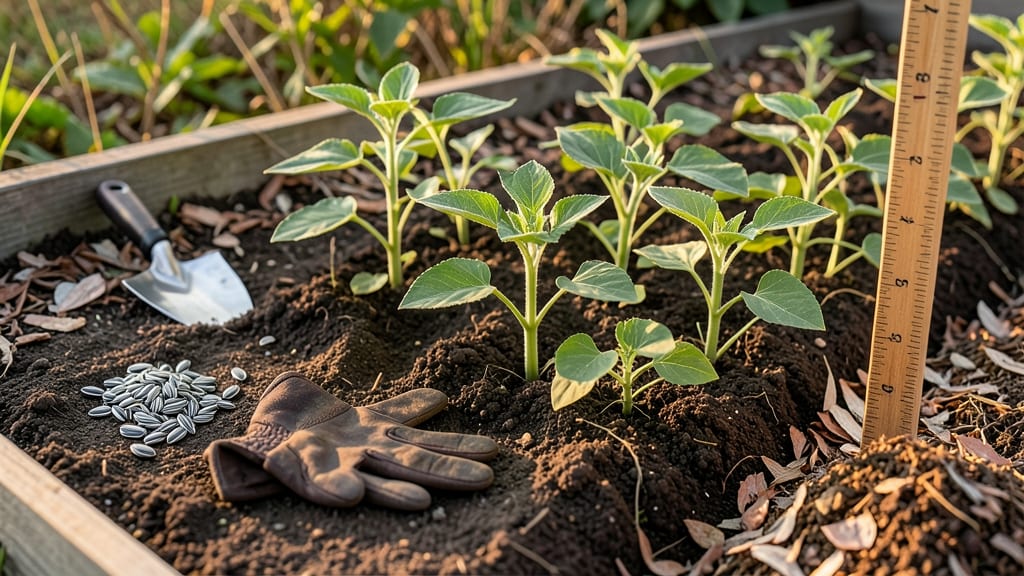
Plant sunflowers in Indiana after the last frost date, typically between mid-April and early June when soil temperatures hit at least 50°F.
Indiana’s unpredictable frost dates can make or break your sunflower harvest—plant too early, and you risk losing tender seedlings; too late, and you miss peak summer blooms.
Most gardeners in USDA Zone 6a wait until early May to be safe, but southern Indiana’s milder climate lets you start as early as late April.
Below, I break down the best planting windows by region, frost-tolerant varieties, and how to adjust for Indiana’s ever-changing weather.
Indiana sunflower planting dates by region: frost zones 5-6 guide
Indiana’s frost zones 5-6 create distinct microclimates that demand precise sunflower planting timing. Northern Indiana (Zone 5) typically waits until mid-May, while Southern Indiana (Zone 6) can start as early as late April.
The key is aligning your planting with soil warmth and last-frost dates—both of which vary wildly across the state.
Sunflowers thrive when soil temperatures reach 50°F or warmer, a threshold often met by late April in southern Indiana but not until early June in northern regions.
This delay prevents seedling damage from late frosts, which can still occur through May 15 in the northern half of the state.
Here’s the critical comparison-table breaking down planting windows by region, including city-specific guidance for Indianapolis, Fort Wayne, and Bloomington:
| Region | USDA Zone | Last Frost Date | Ideal Planting Window | Backup Window (Erratic Spring) |
|---|---|---|---|---|
| Northern Indiana (Fort Wayne, Gary) | 5b | May 15 | May 10–25 | June 1–10 (if frost risk remains) |
| Central Indiana (Indianapolis, Muncie) | 6a | April 25 | April 20–May 10 | May 15–25 (if late frost) |
| Southern Indiana (Bloomington, Evansville) | 6b | April 10 | April 1–15 | April 25–May 5 (if frost lingers) |
For northern Indiana (e.g., Fort Wayne), where last frosts can linger until May 15, opt for cold-hardy varieties like ‘Autumn Beauty’ or ‘Teddy Bear’ if planting early. These varieties tolerate brief chills better than standard types, giving you a 10-day buffer before risking frost damage.
In central Indiana (e.g., Indianapolis), aim for late April to early May, when soil temperatures consistently stay above 50°F. Use a soil thermometer to confirm—sunflowers won’t germinate well in cooler soils. If your spring is unusually cold, wait until May 15 to avoid stunted growth.
Southern Indiana’s warmer microclimate (e.g., Bloomington) allows for earlier planting, as early as April 1 in protected areas. However, avoid planting too soon—soil in low-lying areas may still be too wet or cold.
A raised bed warms up faster and is ideal for pushing the planting window back by 1–2 weeks.
Pro tip: Use black plastic mulch to raise soil temperatures by 5–10°F, letting you plant 2 weeks earlier in cooler regions. This is especially useful for northern Indiana, where late frosts are more common. Pair this with row covers for added frost protection during seedling stages.
If you’re growing tall varieties like ‘Russian Giant’ (which can reach 12+ feet), prioritize early planting to ensure they mature before first frost (typically October 15). These giants need 100–120 days to reach harvest, so planting by May 1 in northern Indiana is critical.
For dwarf varieties (e.g., ‘Teddy Bear’ or ‘Moulin Rouge’), you have more flexibility—plant as late as June 1 in northern Indiana and still enjoy summer blooms. These shorter types mature in 50–70 days, making them perfect for container gardens or late-season plantings.
Always check local NOAA frost forecasts before planting, as Indiana’s microclimates can shift frost dates by 1–2 weeks from year to year. When in doubt, stagger your plantings: sow half your seeds at the primary window and the other half 2 weeks later for a prolonged harvest. 🌻
How to adjust sunflower planting for Indiana’s unpredictable weather patterns
Indiana’s weather can throw curveballs—one day it’s 60°F and sunny, the next a 28°F frost warning. Sunflowers are resilient, but their germination and growth depend on timing that accounts for these swings.
The key is flexibility: using staggered planting, cold-hardy varieties, and protective measures to shield seedlings from late frosts or scorching heatwaves.
Start by checking the NOAA frost probability maps for your specific Indiana county. For example, northern Indiana (like Fort Wayne) often sees its last frost around April 25, while southern Indiana (like Evansville) can be 2 weeks earlier**.
Adjust your planting schedule based on these local trends, not just the general state average.
- 1. Staggered Planting: Sow seeds in 3 batches 10 days apart (e.g., May 1, May 11, May 21) to ensure blooms across summer. This spreads risk if early plantings fail due to frost.
- 2. Cold-Hardy Varieties: Choose 'Autumn Beauty' or 'Teddy Bear' (dwarf) for early spring planting. These tolerate 40°F soil temps and germinate faster in cool conditions.
- 3. Row Covers: Use floating row covers for 2-3 weeks after planting to protect seedlings from late frosts (common in May). Remove when plants reach 6 inches tall.
- 4. Soil Moisture Monitoring: Indiana’s drought-prone summers can stress sunflowers. Use a soil moisture meter to water deeply when the top 2 inches of soil are dry.
- 5. Heatwave Prep: Mulch with straw or wood chips to retain moisture during 90°F+ heatwaves. Avoid overhead watering, which promotes fungal diseases.
For late bloomers, extend the season by planting a second batch in early June. Choose varieties like 'Russian Mammoth', which mature in 90-120 days and can bloom into October if planted early enough. Pair this with drip irrigation to ensure consistent moisture during Indiana’s summer droughts.
Don’t forget to monitor local weather alerts via apps like Weather Underground or your county’s agricultural extension service. For example, if a 50°F night is forecasted after planting, cover seedlings with lightweight fabric or a cloche to prevent stunting.
With these adjustments, you’ll turn Indiana’s unpredictable weather into an advantage—enjoying sunflowers from July through October, regardless of what Mother Nature throws your way. 🌻